Educational: Maasai-Led Eco Tour - Ecosystems and Culture (1 Day)

Educational: Maasai-Led Eco Tour – Ecosystems and Culture (1 Day)
Overview

Overview

This purposeful day experience introduces students to the Ngong Hills ecosystem through the knowledge, hospitality, and lived environmental stewardship of Maasai hosts. Designed for schools, colleges, universities, and mission-aligned travel programmes, it connects ecological learning with culture, service, and community responsibility.

Rather than a conventional hike, the tour is framed as an outdoor classroom where participants explore how people, livestock, wildlife, vegetation, water, soil, and climate interact within a fragile rangeland landscape. The Maasai perspective gives the day its depth: students learn from community members whose identity, livelihoods, and resilience are closely tied to the health of the land.

The experience supports institutional goals around sustainability, global citizenship, community engagement, social responsibility, and experiential learning. It is especially suited to programmes seeking a meaningful, locally led activity that links environmental awareness with respectful cultural exchange and practical conservation action.

Why This Eco Tour Matters

  • A Maasai-led field experience focused on ecosystems, land use, and environmental stewardship
  • A strong fit for educational organisations for community engagement, explaining sustainability, and social responsibility
  • Direct learning from Maasai hosts on pastoral life, climate pressures, biodiversity, erosion, grazing, and landscape restoration
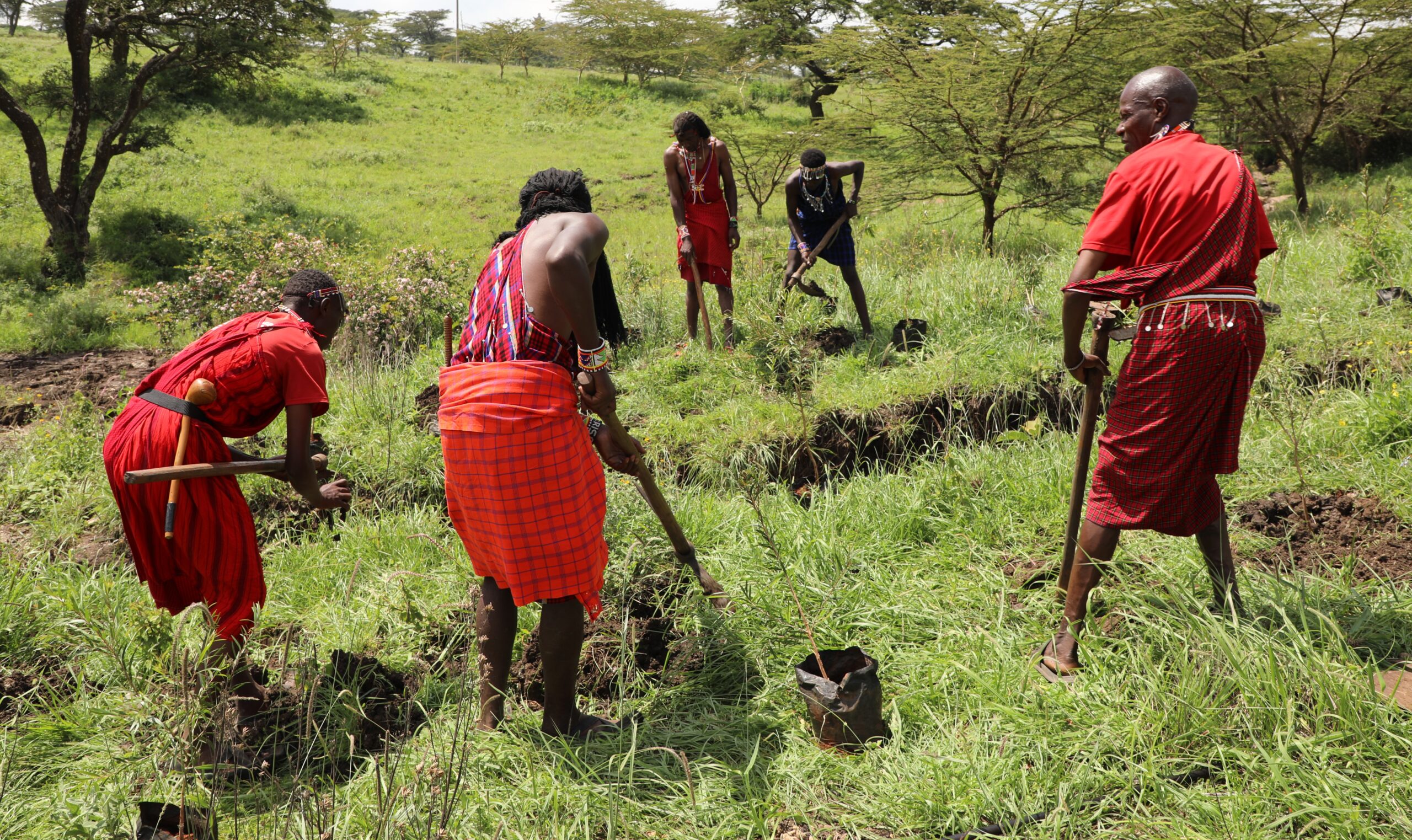
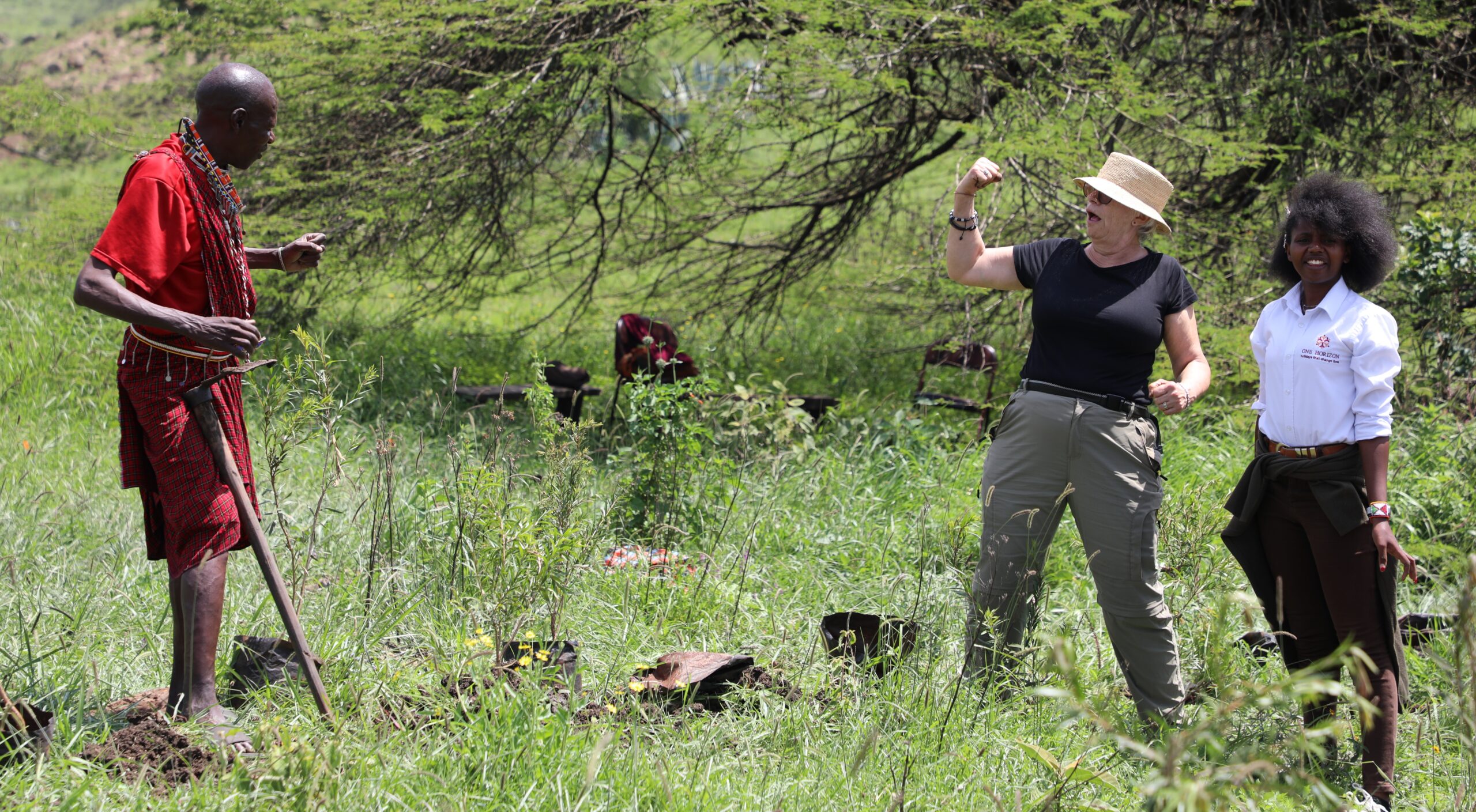
  • Practical conservation participation through tree and shrub planting to support restoration of degraded land
  • A reflective, values-based programme that encourages students to connect environmental choices with community impact

Learning in the Landscape

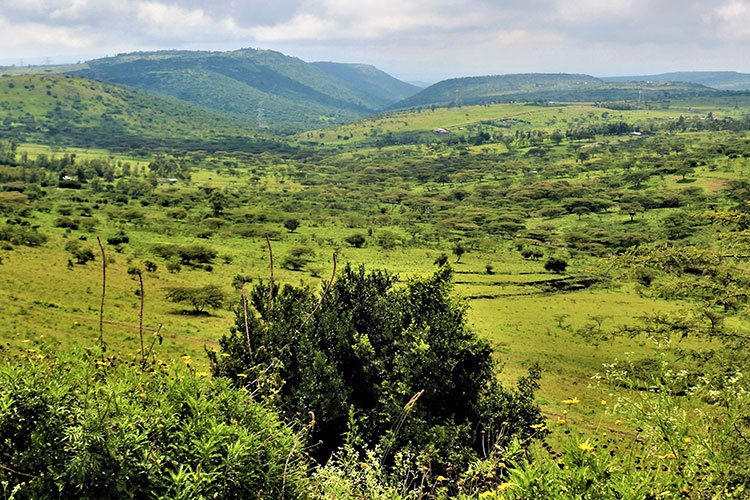
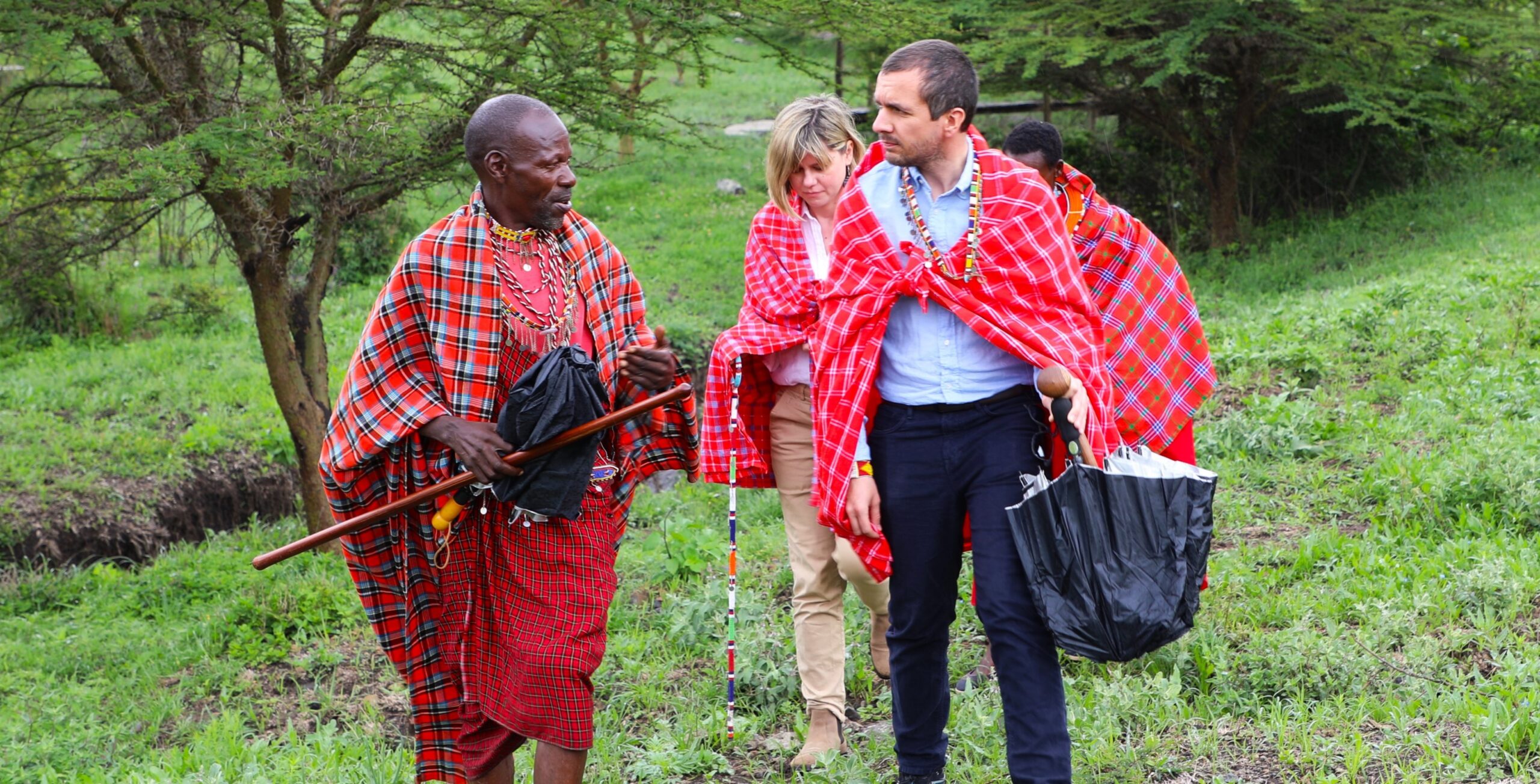
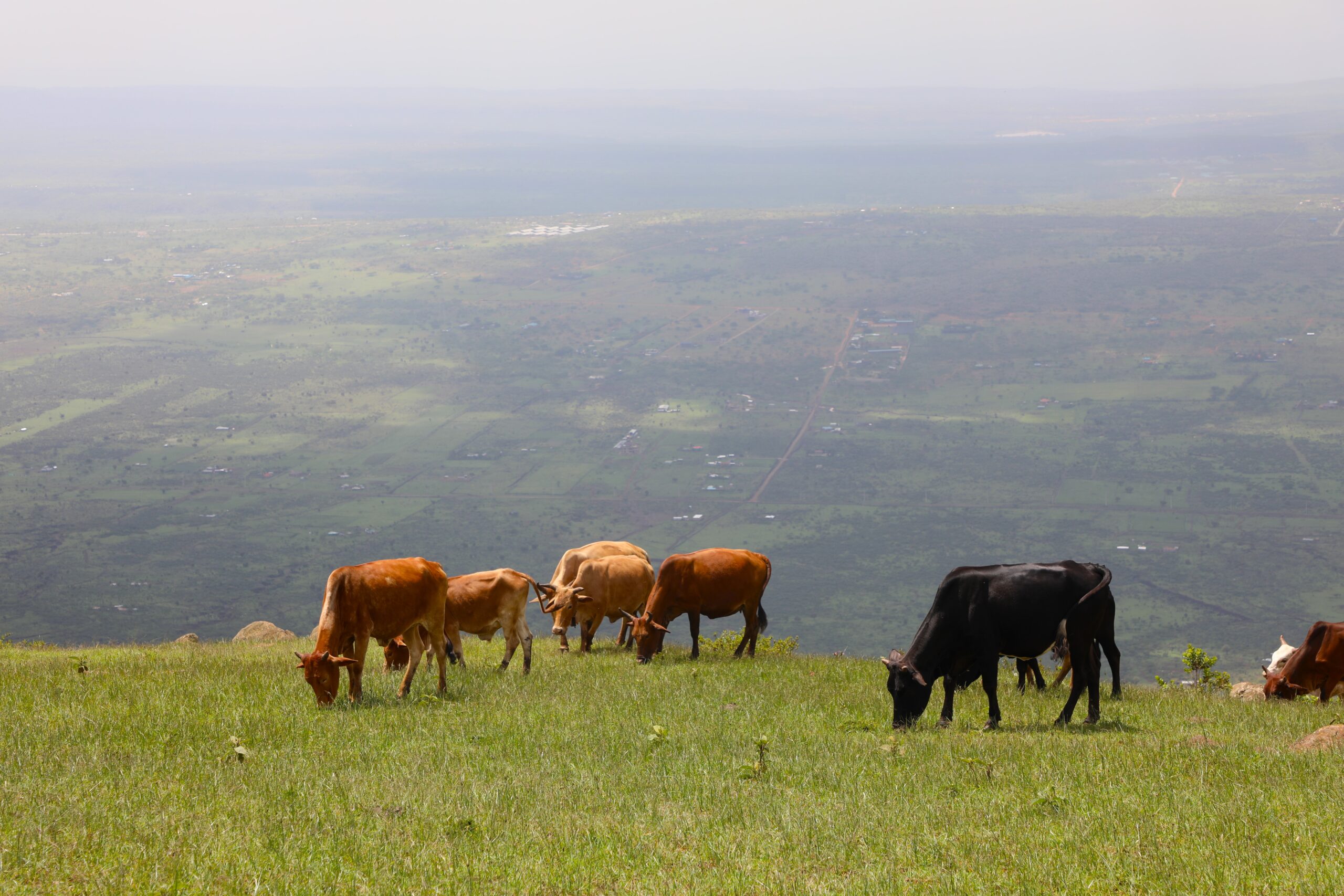
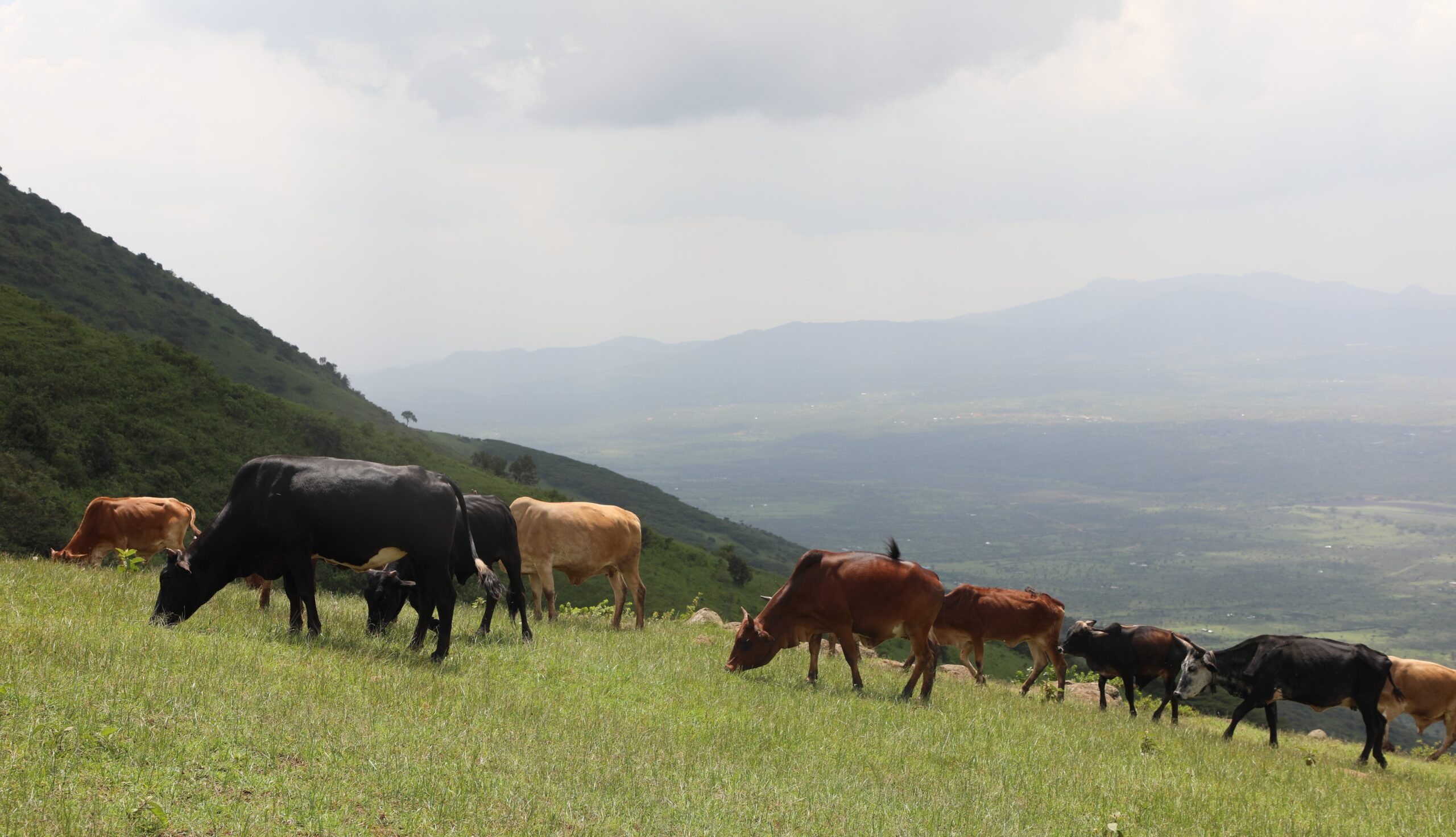
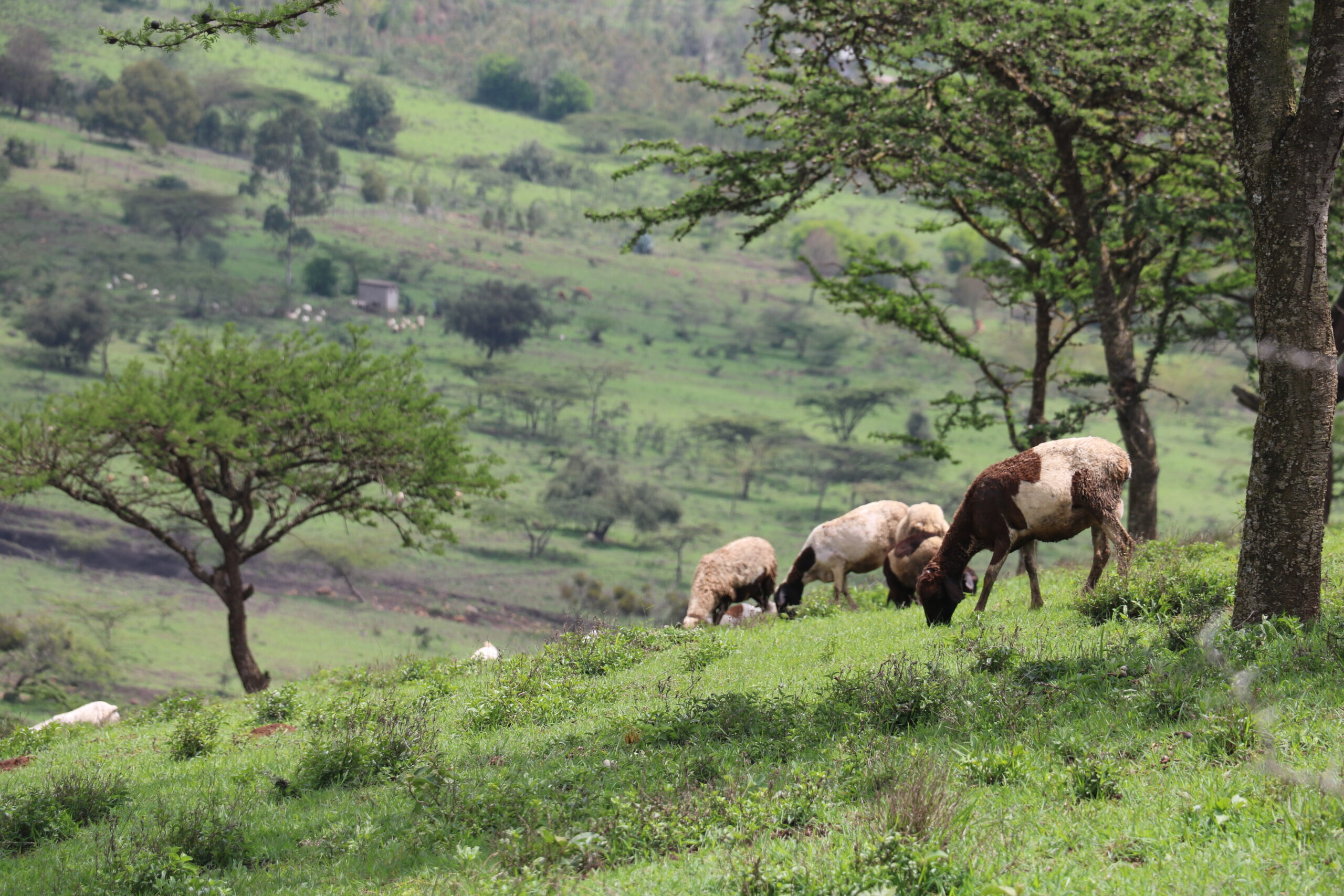
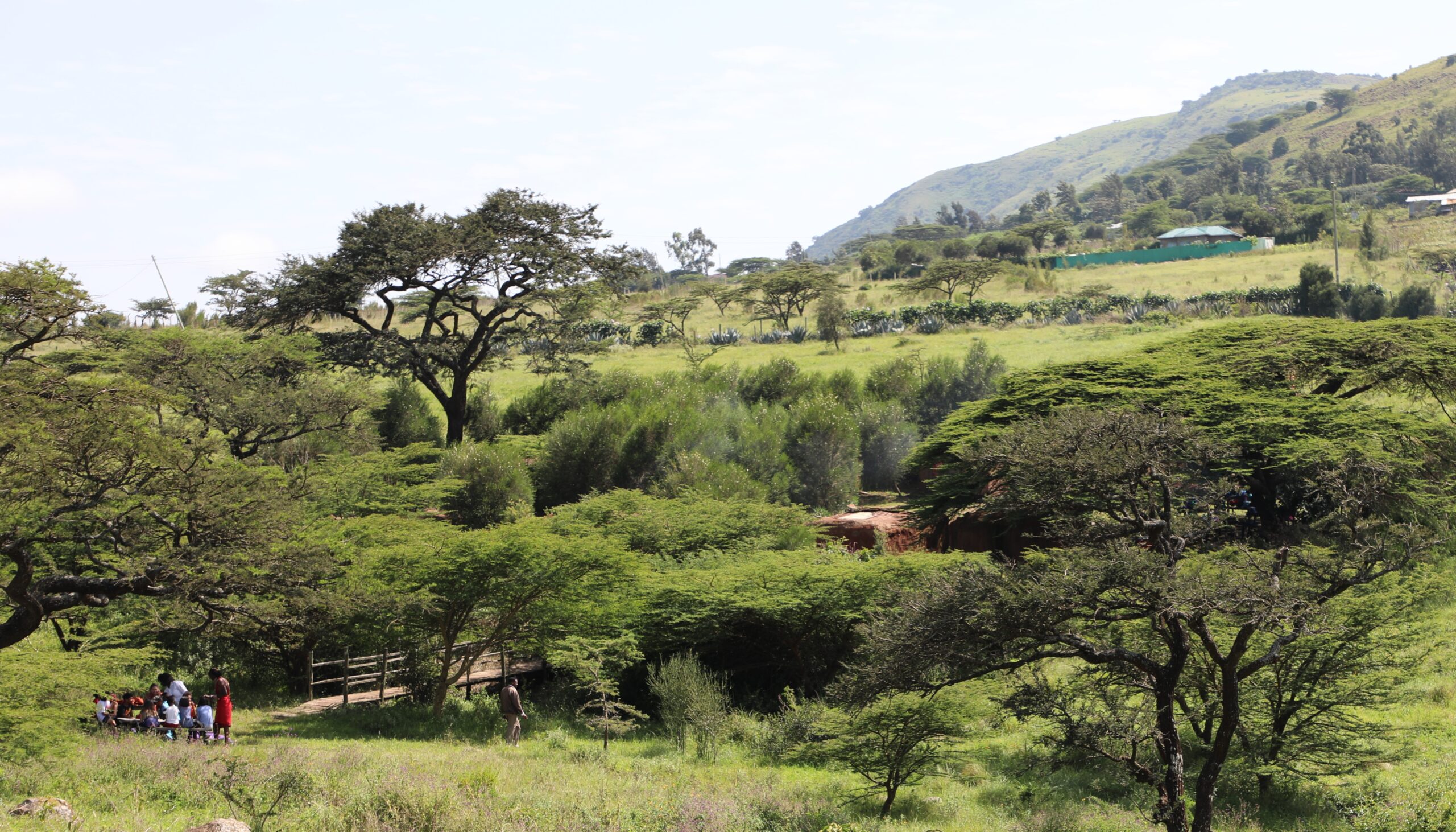
Participants move through the landscape with Maasai guides who interpret the hills as a living ecosystem. Along the way, students consider the relationships between grasslands, livestock, wildlife corridors, seasonal water sources, soil health, invasive pressures, and the effects of drought and erosion. This place-based approach makes sustainability visible, practical, and human.

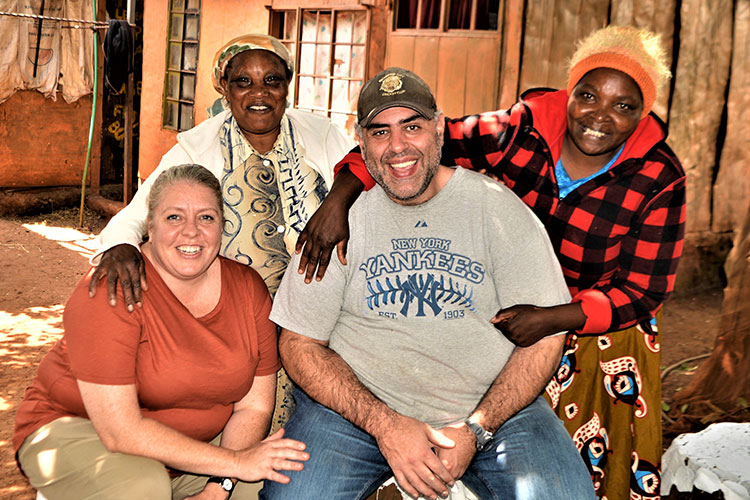
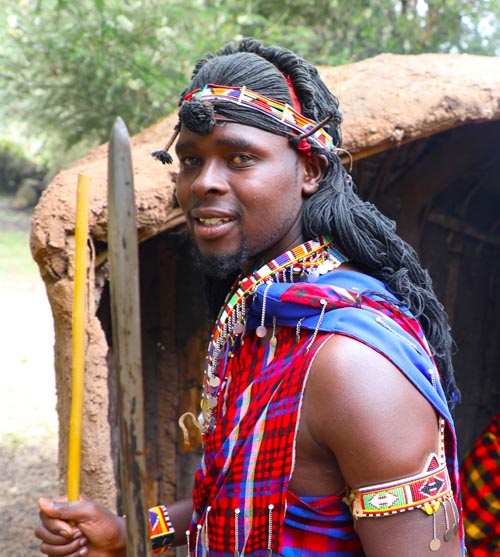
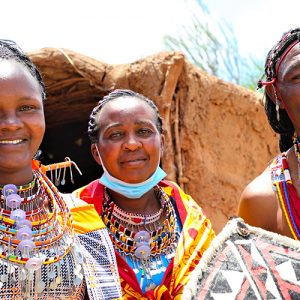
At the village, conversation, storytelling, food, music, and traditional welcome create an opportunity for respectful cultural exchange. A village elder and family members share insight into Maasai identity, adaptation, and the responsibilities that come with caring for land that sustains both people and animals.

Identified Outcomes

  • Students can describe key features of a rangeland ecosystem and explain how soil, vegetation, water, livestock, wildlife, and people are interconnected.
  • Participants can identify environmental pressures affecting the Ngong Hills area, including erosion, overgrazing, drought, and land-use change.
  • Participants gain an informed understanding of Maasai pastoral knowledge and its role in sustainable land management and community resilience.
  • Each group contributes to a practical restoration activity through planting trees and shrubs that support soil stabilisation and long-term landscape recovery.
  • Educators and administrators receive a programme that aligns with global citizenship, service learning, sustainability education, and institutional social responsibility goals.
  • Students leave with reflection prompts that connect the day’s experience to their own campus, community, and future environmental choices.

A thoughtful, locally led eco tour for institutions seeking meaningful environmental learning, community partnership, and responsible travel in Kenya.

Enquire Now

Gallery

An exquisite experience As a European, this experience was absolutely fantastic! The people I met, the things I’ve heard and seen, all was overwhelming. It was also definitely an energy exchange, a great communication and a lovely atmosphere overall. The hosts were more than welcoming and I truly hope I also able to bring something in this exchange with the hosts.

Itinerary

Eco Tour Agenda

  • Depart Nairobi for the Ngong Hills, with an introductory briefing on the day’s learning themes: ecosystems, land stewardship, Maasai knowledge, and community responsibility.
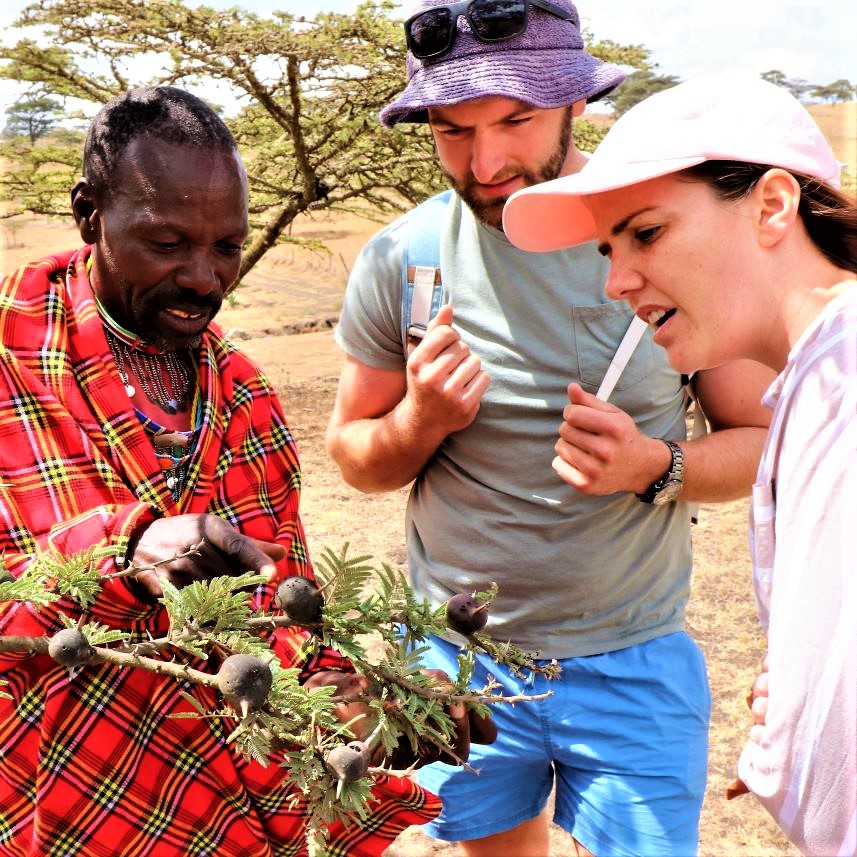
  • Meet the Maasai hosts at the start point and begin a guided eco walk. Hosts introduce the landscape, explain seasonal grazing patterns, identify useful plants, and discuss how communities respond to drought, erosion, and changing environmental conditions.
  • Pause at selected viewpoints for short facilitated discussions on biodiversity, watershed protection, soil loss, and the balance between conservation and livelihood needs.
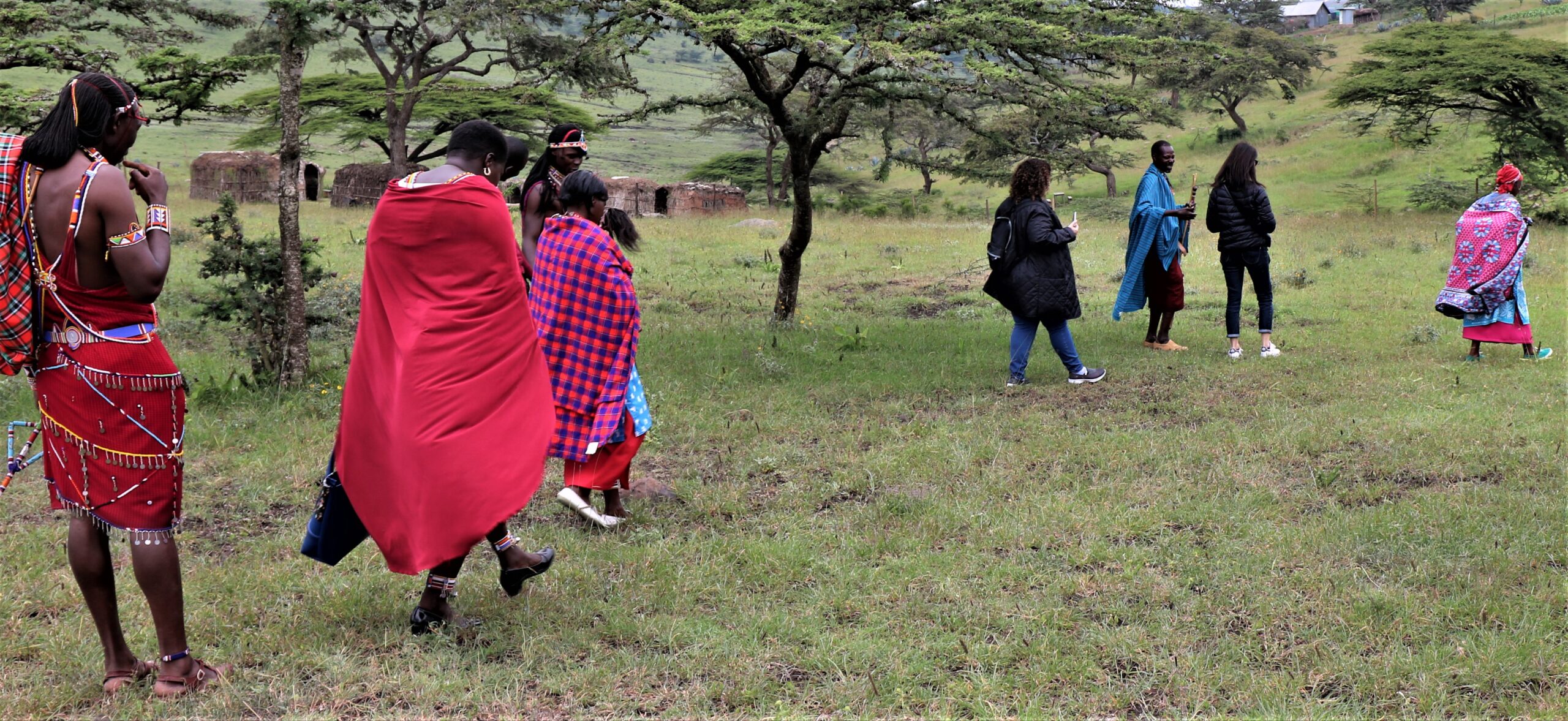
  • Arrive near Corner Baridi and continue to the village, where students receive a warm welcome and take part in respectful cultural exchange through conversation, storytelling, music, and traditional hospitality.
  • Share lunch with the hosts and hear first-hand perspectives from a village elder and family members on pastoral life, education, land pressures, and community-led responses to environmental change.
  • Participate in a guided restoration activity by planting up to 40 trees and shrubs, supporting efforts to stabilise soil, reduce erosion, and help reclaim degraded land affected by overgrazing and environmental stress.
  • Conclude with a student reflection circle linking the day’s lessons to campus sustainability, community service, responsible travel, and future action.
  • Return to Nairobi with a stronger understanding of how ecosystems, culture, and community resilience are connected.

Inclusions

  • Air-conditioned hotel transfers – we’ll collect you at from your Nairobi hotel at a prearranged time and drop you back late afternoon.
  • Please note that your vehicle has charging facilities for your mobile phone and internet for your convenience.
  • A personal guide who is also your driver and a One Horizon staff member for the day whose task is to ensure that you enjoy every moment of the day.
  • You will also receive up to 50 images of your adventure as well as videos that capture the moments you will treasure for life.
  • A Maasai wristband as a memento of your visit
  • In addition to lunch there is unlimited fruit, tea, coffee and water available.
  • There are modern toilet facilities at the venue for your comfort.
Enquire Now

videos

FAQ's

Q1. Are students grouped according to age?

Answer: Yes. To ensure the program is age-appropriate, supportive and engaging, students participate in one of two groups:

  • High school students aged 14 to 17 years
  • College and university students aged 18 to 23 years

Q2. Do students aged 14 to 17 years need to be accompanied by a teacher, parent or guardian?

Answer: Yes. As part of our duty of care, students aged 14 to 17 years must be accompanied by an adult nominated by the school or institution. In most cases, this is a teacher or school-appointed staff member who acts as the lead contact and supports the management of the student group throughout the program.

Q3. Do college and university students aged 18 to 23 years need to be accompanied by a teacher, parent or guardian?

Answer: No. College and university students are not required to be accompanied by a teacher, parent or guardian. However, One Horizon requires a nominated point of contact for the group to support communication, coordination and liaison throughout the program.

Q4. Where do students and accompanying staff stay during their program?

Answer: Students and accompanying staff stay in 4- to 5-star international hotel accommodation for the duration of the program. The first two days of the program are conducted at the hotel, providing a comfortable and well-supported environment for orientation, learning and preparation. Accommodation is arranged on a twin-share basis.

Q5. How are students transported to community visits and program activities?

Answer: Students are transported in private, air-conditioned vehicles operated by One Horizon. The facilitators delivering the program also accompany students during daily activities, providing continuity, guidance and supervision throughout the experience.

Q6. Can parents contact their child during the program?

Answer: Parent communication is managed in accordance with the policies of the participating school or institution. One Horizon also provides 24-hour contact details, including mobile numbers and email addresses, so students can be reached if required. Internet connectivity is available at program venues and in the vehicles used to transport students and staff.

Q7. What meals are provided during the five-day program?

Answer: One Horizon caters for a wide range of dietary requirements, including vegetarian, vegan and familiar Western-style meal options. Meals are prepared with fresh, healthy ingredients and are provided through the hotel where students and staff are staying. Evening meals also include selected well-regarded Nairobi restaurants, giving students an additional opportunity to experience the city in a safe and structured way.

Q8. Is travel and health insurance required?

Answer: Yes. Appropriate travel and health insurance is required for student participation in the program. Schools, institutions, parents and guardians should ensure that each participant has suitable coverage before travel.

Q9. Does One Horizon have public liability and professional indemnity insurance?

Answer: Yes. One Horizon maintains insurance coverage that includes public liability and professional indemnity insurance. Copies of relevant policy documentation can be provided upon request.

Q10. What distinguishes One Horizon and the Changing This World experience?

Answer: One Horizon is accredited by the Kenyan Government to work directly with Kenyan communities. It operates independently and does not receive financial or other support from the Kenyan Government. Its overriding mission is to provide practical pathways that help people lift themselves out of poverty. This purpose-led approach gives students meaningful insight into community development, resilience and sustainable change. One Horizon’s mission and work are captured in the video ‘What We Do’.

Unique Cultural
Holiday Experiences

Subscribe To
Our Newsletter

To receive latest news & offers
Share your email ID below

Enquire Now

Your Cart

2
$250.01

Your Cart

2

Alexandria

Booking Details :
  •   

    Travel Date : 

    July 5, 2026

Quantity
1
$0.01
Not by Bread Alone Program

Not by Bread Alone Program

Booking Details :
Quantity
$250.00
Payment Details
Sub Total $250.01