-
×
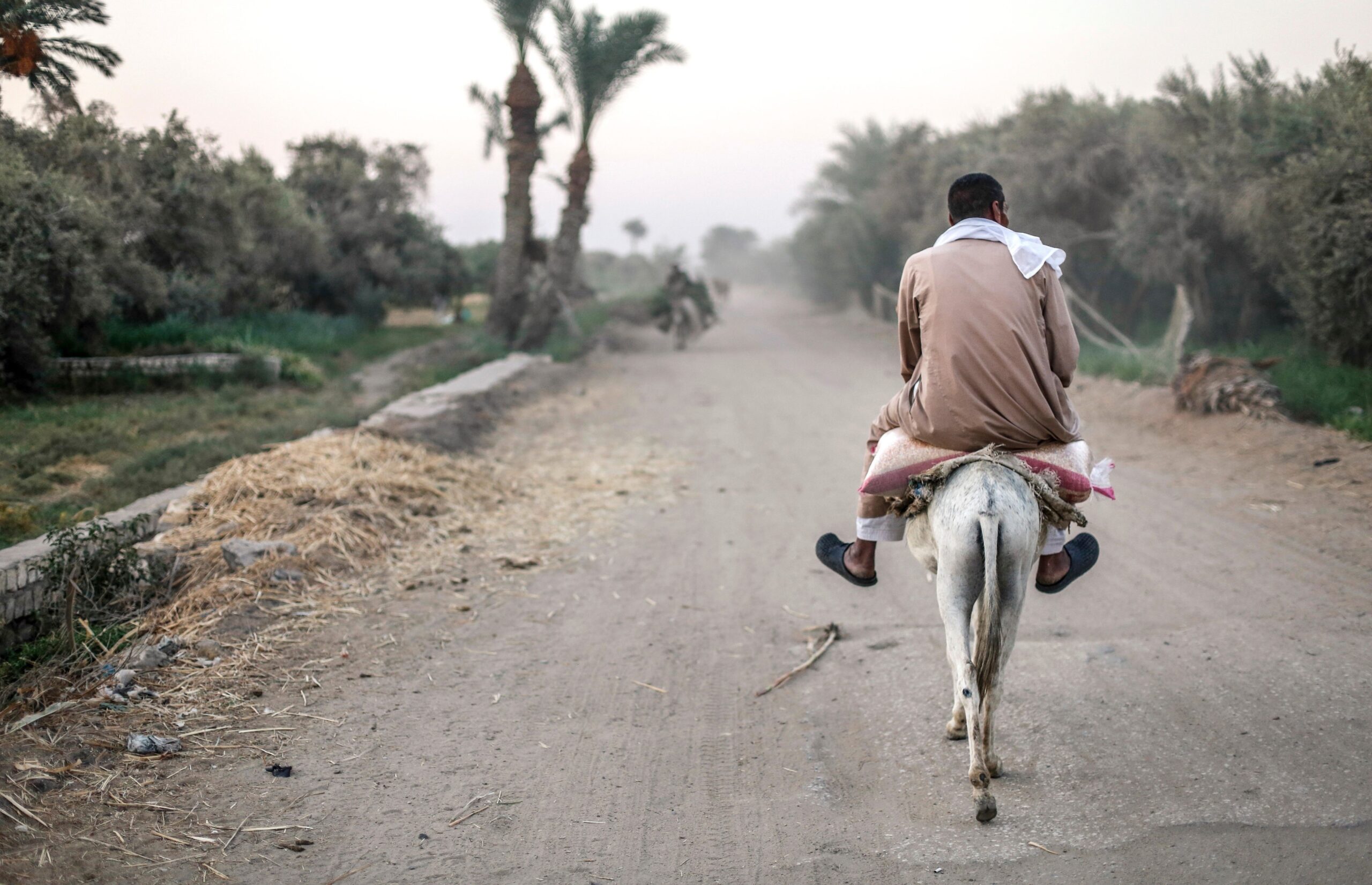
Cairo Package (3 Days)
- Booking Details :
-
-
Travel Date :
October 24, 2026
-
-
×
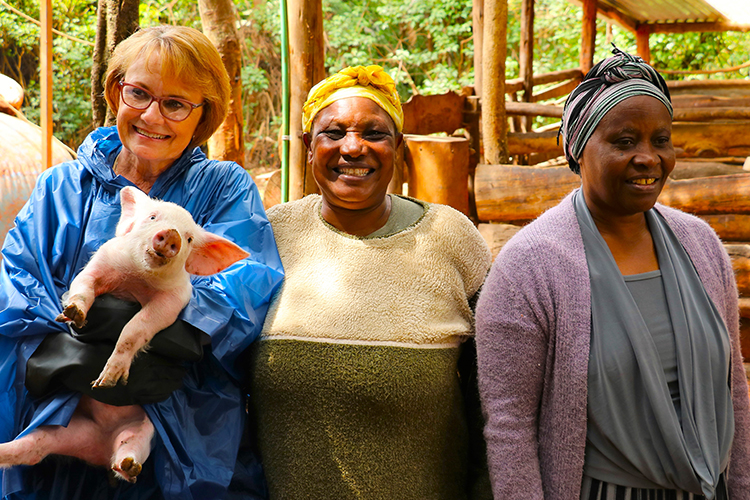
Light on the Horizon – 1 Day Signature Experience
- Booking Details :
-
-
Travel Date :
October 24, 2026
-
-
×
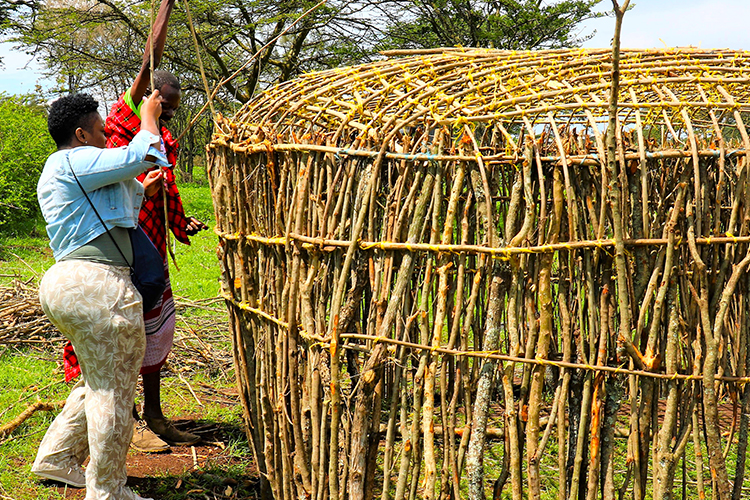
Building Manyattas with the Maasai – 1 Day Signature Experience
- Booking Details :
-
-
Travel Date :
October 24, 2026
-
-
×
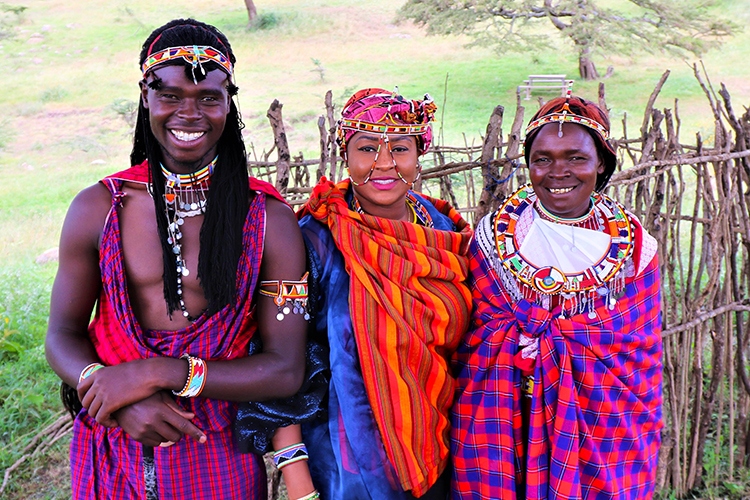
Celebrate Your Milestone With the Maasai
- Booking Details :
-
-
Travel Date :
October 24, 2026
-
-
×

Ololo Wildlife and Cultural Experiences – 5 Days
- Booking Details :
-
-
Travel Date :
October 24, 2026
-
-
×

A Wildlife Safari in the Maasai Mara – 4 Days
- Booking Details :
-
-
Travel Date :
October 24, 2026
-
-
×
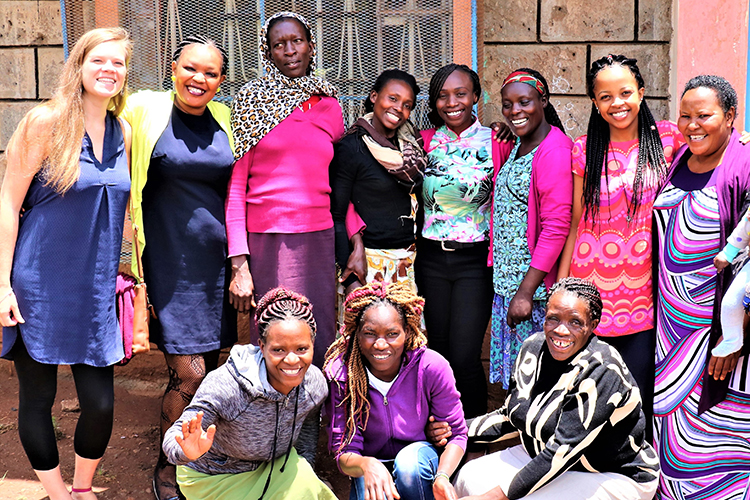
The Resilient Women of Kenya – 1 Day Signature Experience
- Booking Details :
-
-
Travel Date :
October 24, 2026
-
-
×
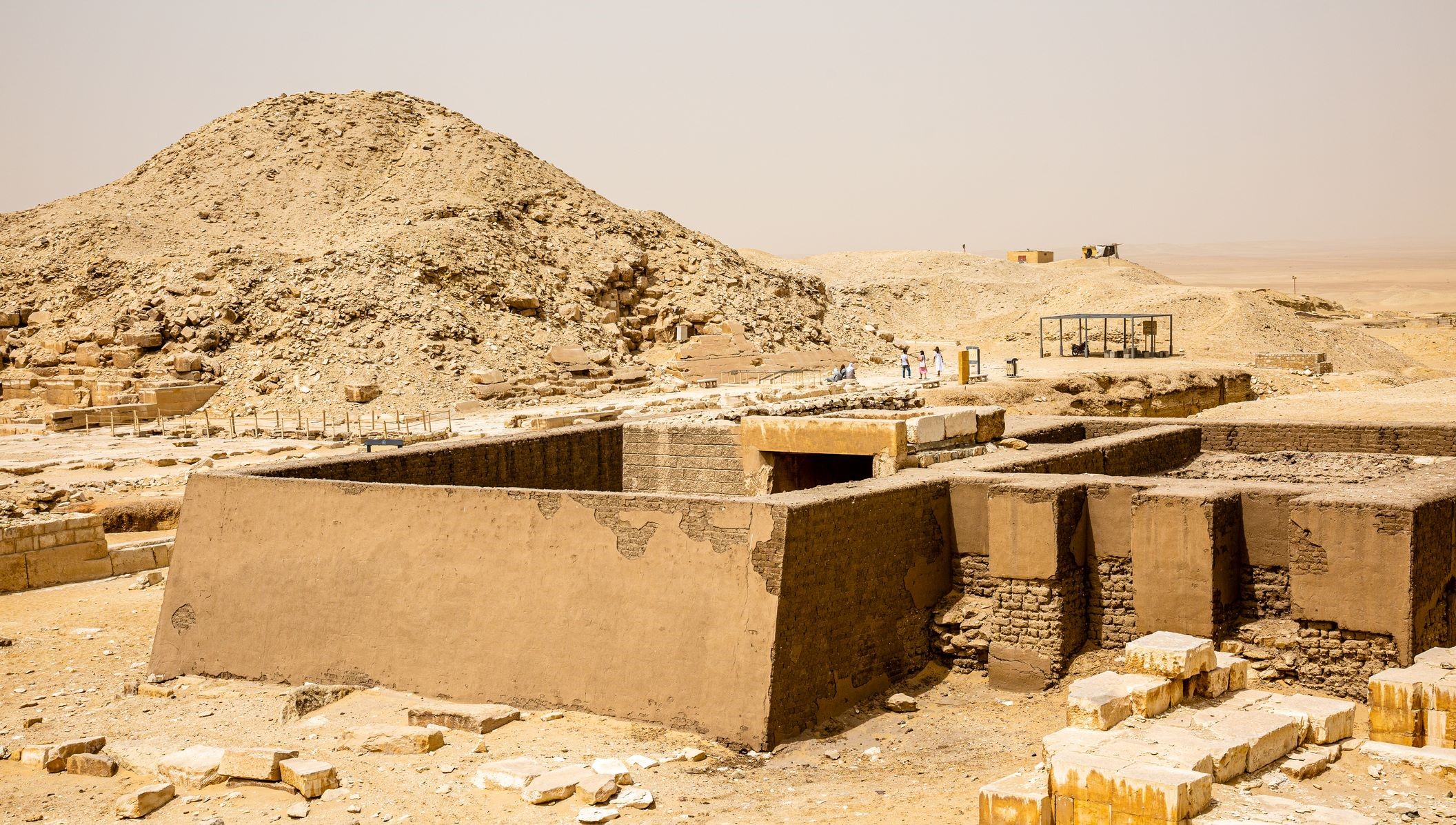
The Pyramid Texts
- Booking Details :
-
-
Travel Date :
October 24, 2026
-
-
×
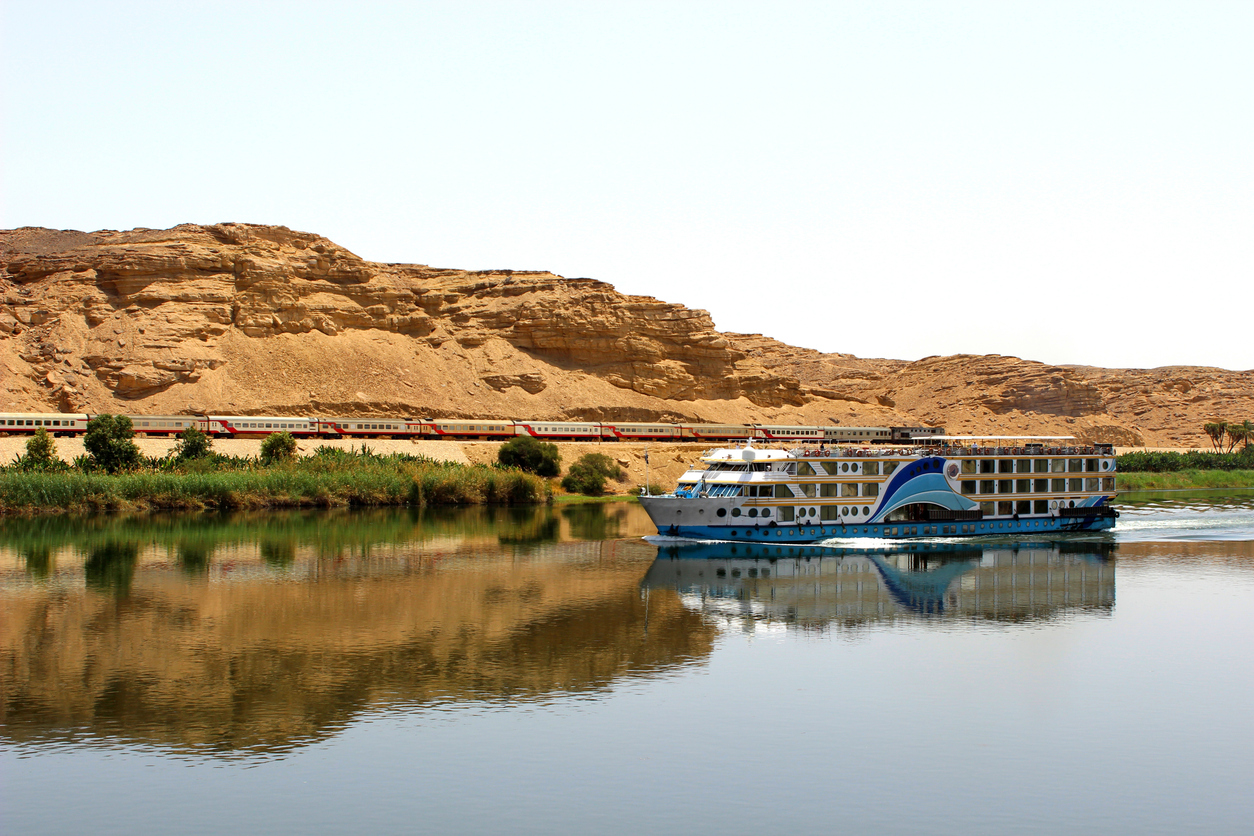
Cruising the Nile (3-8 days)
- Booking Details :
-
-
Travel Date :
October 24, 2026
-
-
×

Maasai Eco Tour - 1 day Signature Experience
- Booking Details :
-
×
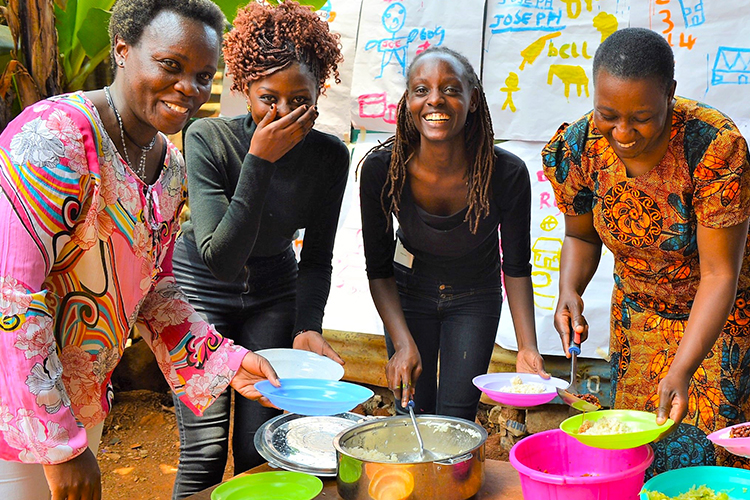
The Future Leaders – 1 Day Signature Experience
- Booking Details :
-
-
Travel Date :
October 24, 2026
-
-
×

Khan El Khalili Bazaar
- Booking Details :
-
-
Travel Date :
October 24, 2026
-
-
×
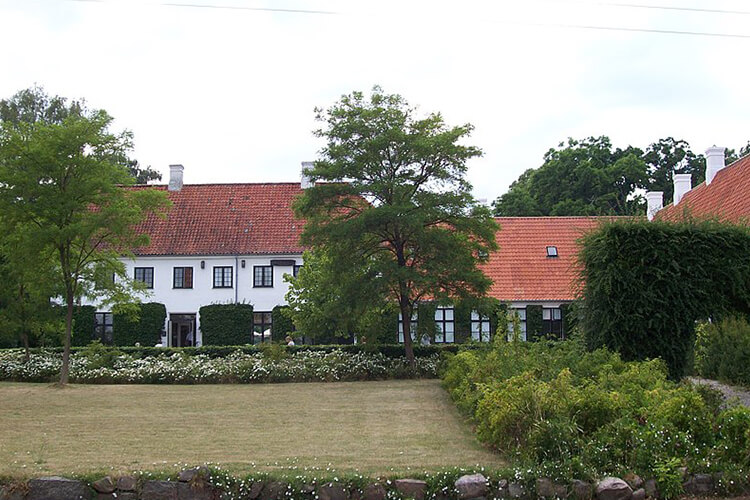
The Story of Karen Blixen and Denys Finch Hatton – 2 Days
- Booking Details :
-
-
Travel Date :
October 24, 2026
-
-
×

Magnificent Mosques
- Booking Details :
-
-
Travel Date :
October 24, 2026
-
-
×

A Beach Retreat in Diani (South Coast) – 4 Days
- Booking Details :
-
-
Travel Date :
October 24, 2026
-
Educational - Community Table: Nutrition and Responsibility (1 Day)
Overview
A Deeply Personal Encounter with Community, Care and Hope
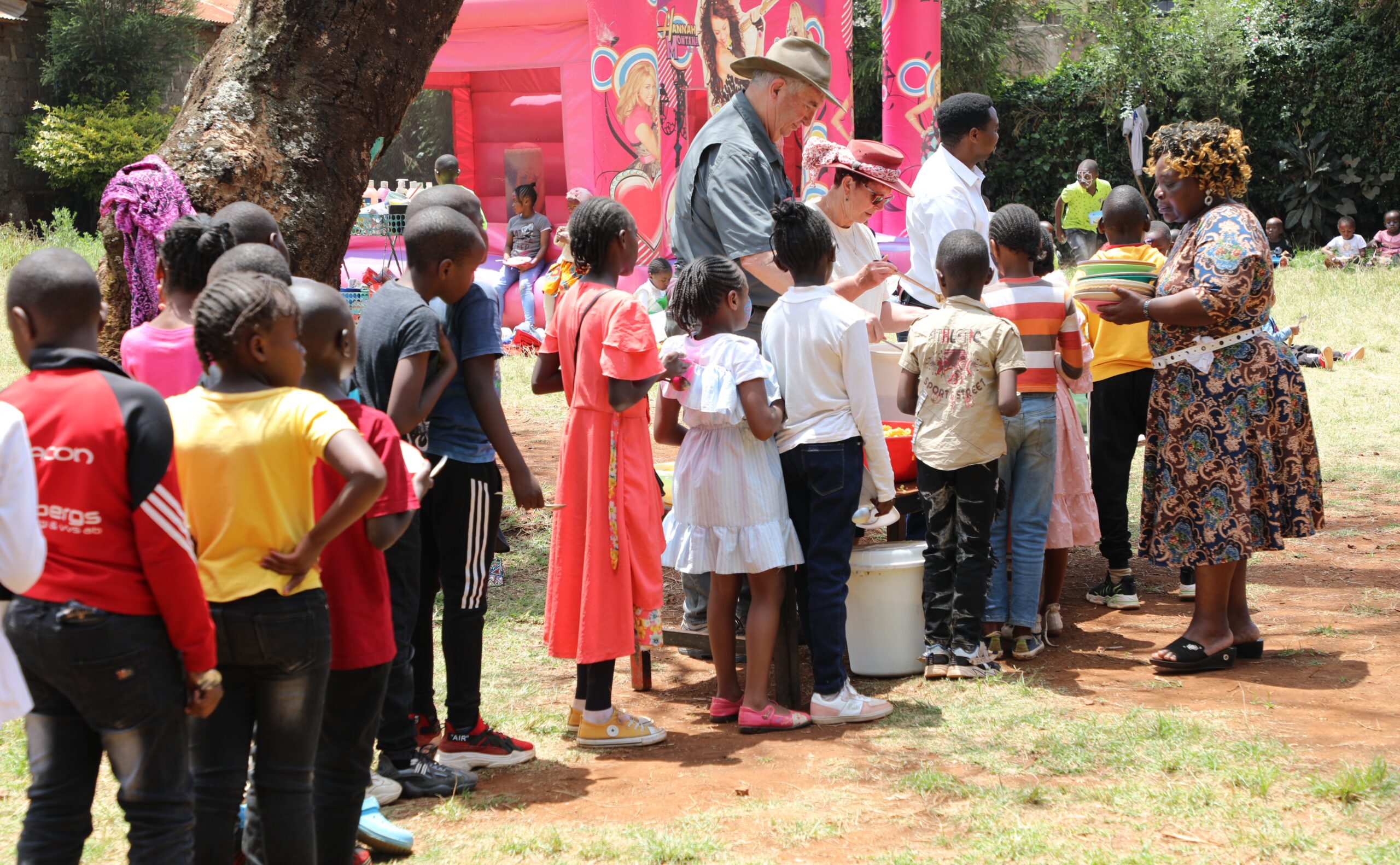
This one-day program gives students a thoughtful introduction to community development, food security, child welfare, and the role of local leadership in creating opportunity. Rather than observing from a distance, students participate in practical tasks that support a community meal and create space for respectful interaction with Kenyan children, families, and community leaders.
For schools, the program aligns well with social studies, global issues, health and nutrition, civic responsibility, advisory programs, service learning, and character education. It encourages students to examine how communities organize around shared needs and how dignity, partnership, and local ownership shape sustainable change.
Why It Stays With Guests
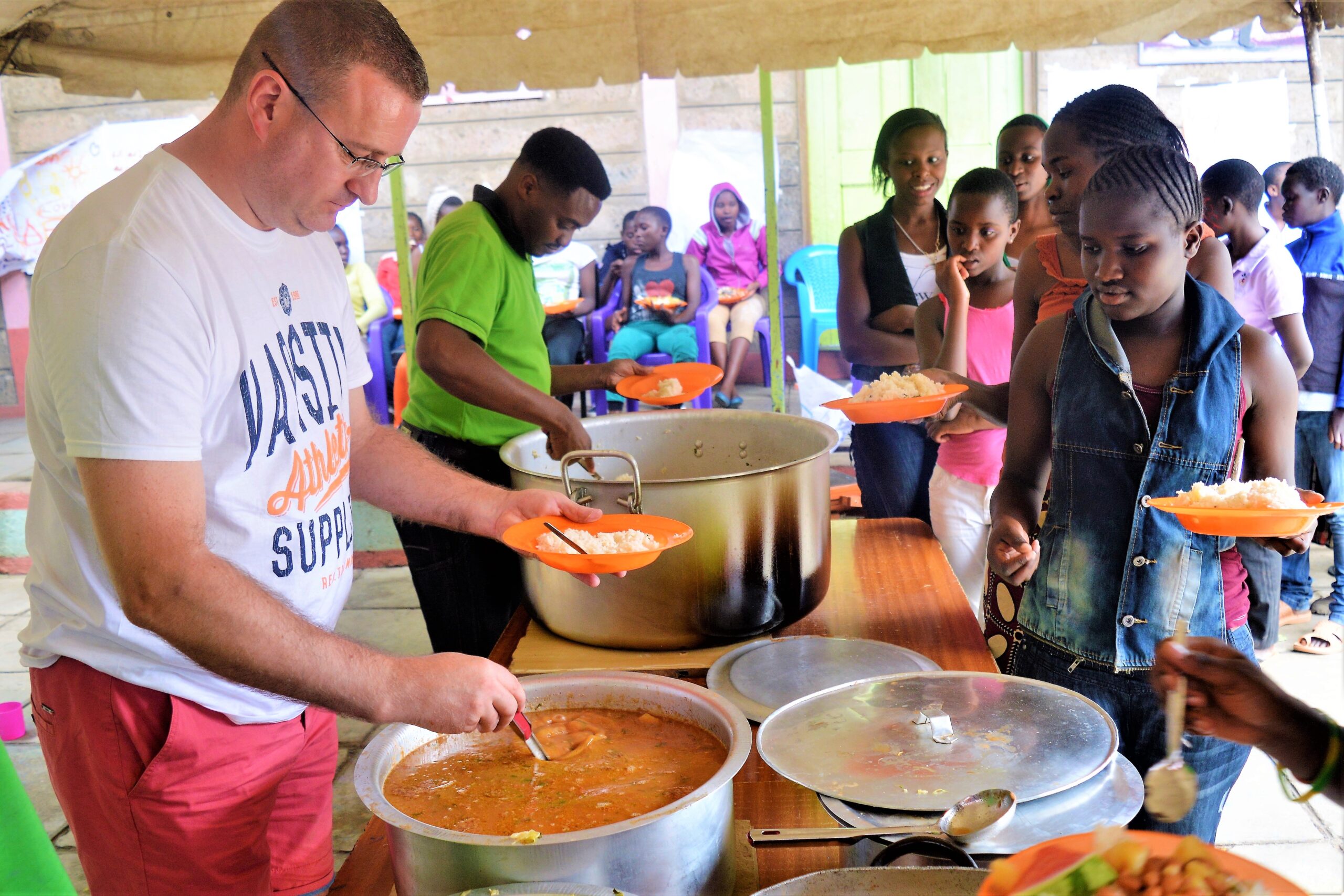
The day begins with students helping to prepare a hearty meal for children and families connected to the community center. Simple tasks such as peeling vegetables, preparing fruit, or serving lunch become a practical lesson in teamwork, humility, and shared responsibility.
Students then spend time with local children and families through age-appropriate activities, conversation, art, games, and informal exchange. With teacher guidance, the experience can help students reflect on similarities and differences between communities, the meaning of service, and the importance of listening before drawing conclusions.
The program is especially valuable for schools that want students to connect global learning with empathy, civic engagement, and real-world community action.
A meaningful day for educators seeking curriculum-connected service learning that is personal, respectful, and student-centered.
Student Outcomes
- Understand how community-led programs respond to food insecurity and family needs.
- Experience service learning through practical contribution, teamwork, and respectful engagement.
- Examine the relationship between nutrition, child welfare, dignity, and opportunity.
- Build empathy and civic awareness through interaction with children, families, and local leaders.
- Reflect on responsible service, partnership, and the importance of listening before acting.
Curriculum Connections
- Social Studies and Global Issues: community development, food security, and local leadership.
- Health and Nutrition: access to food, child welfare, and the role of shared meals in community care.
- Service Learning and Civic Responsibility: practical contribution, teamwork, and ethical engagement.
- Advisory and Character Education: empathy, dignity, humility, and responsible participation.
Gallery
-
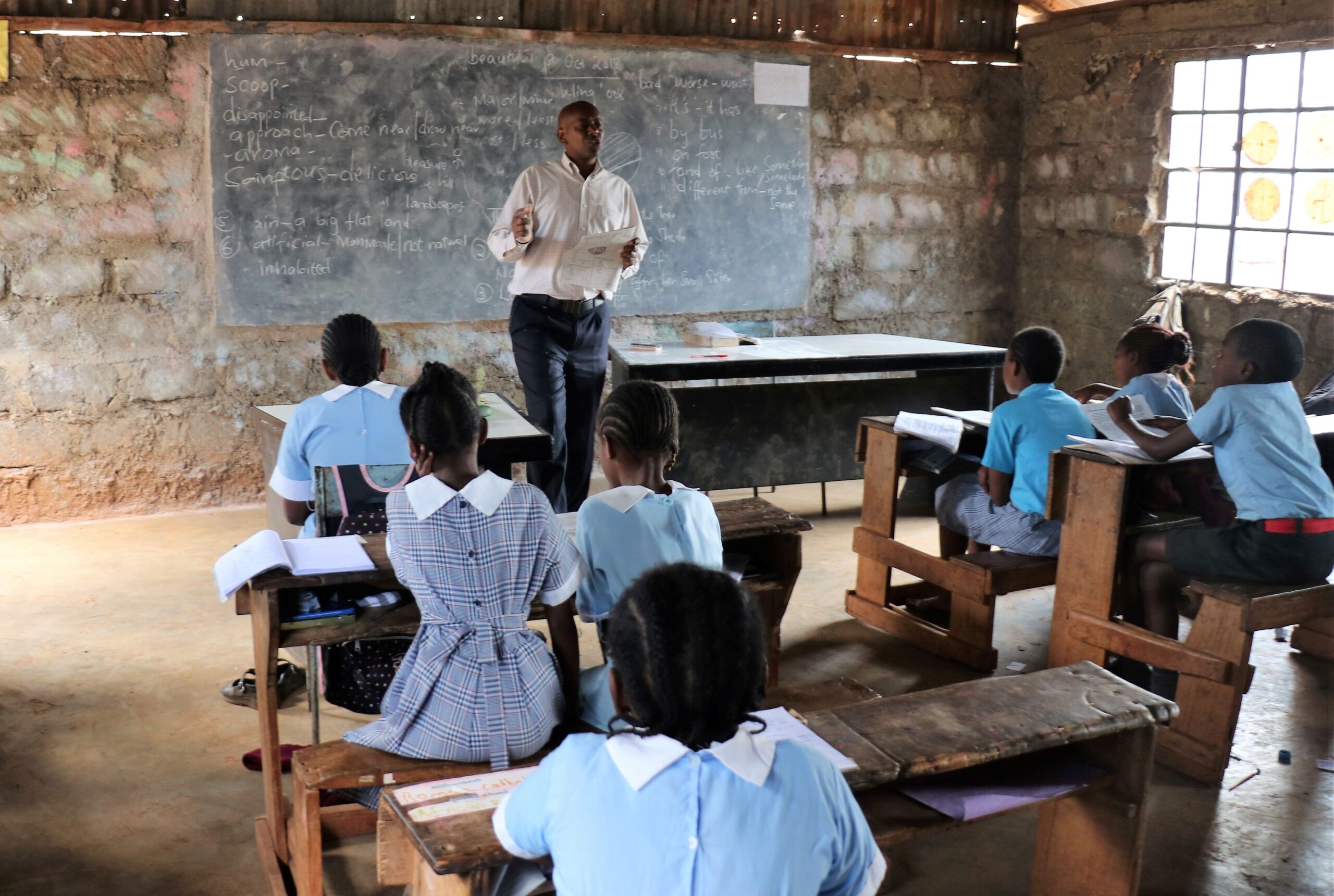
Supporting Children To Be Able To Attend School
-
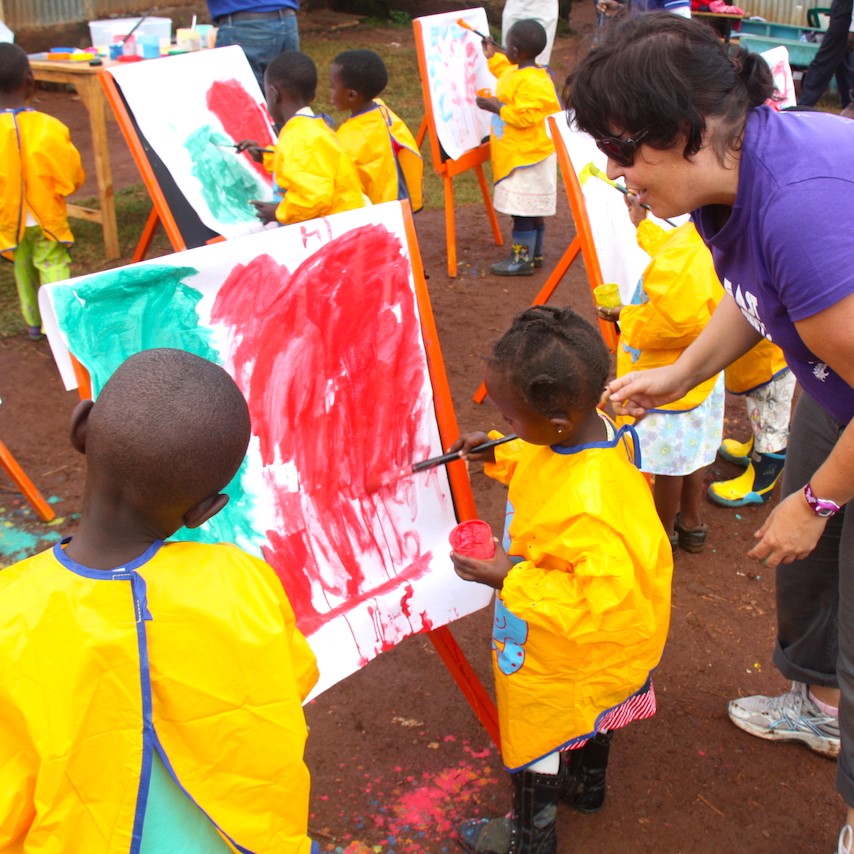
And To Do What All Kids Enjoy
-
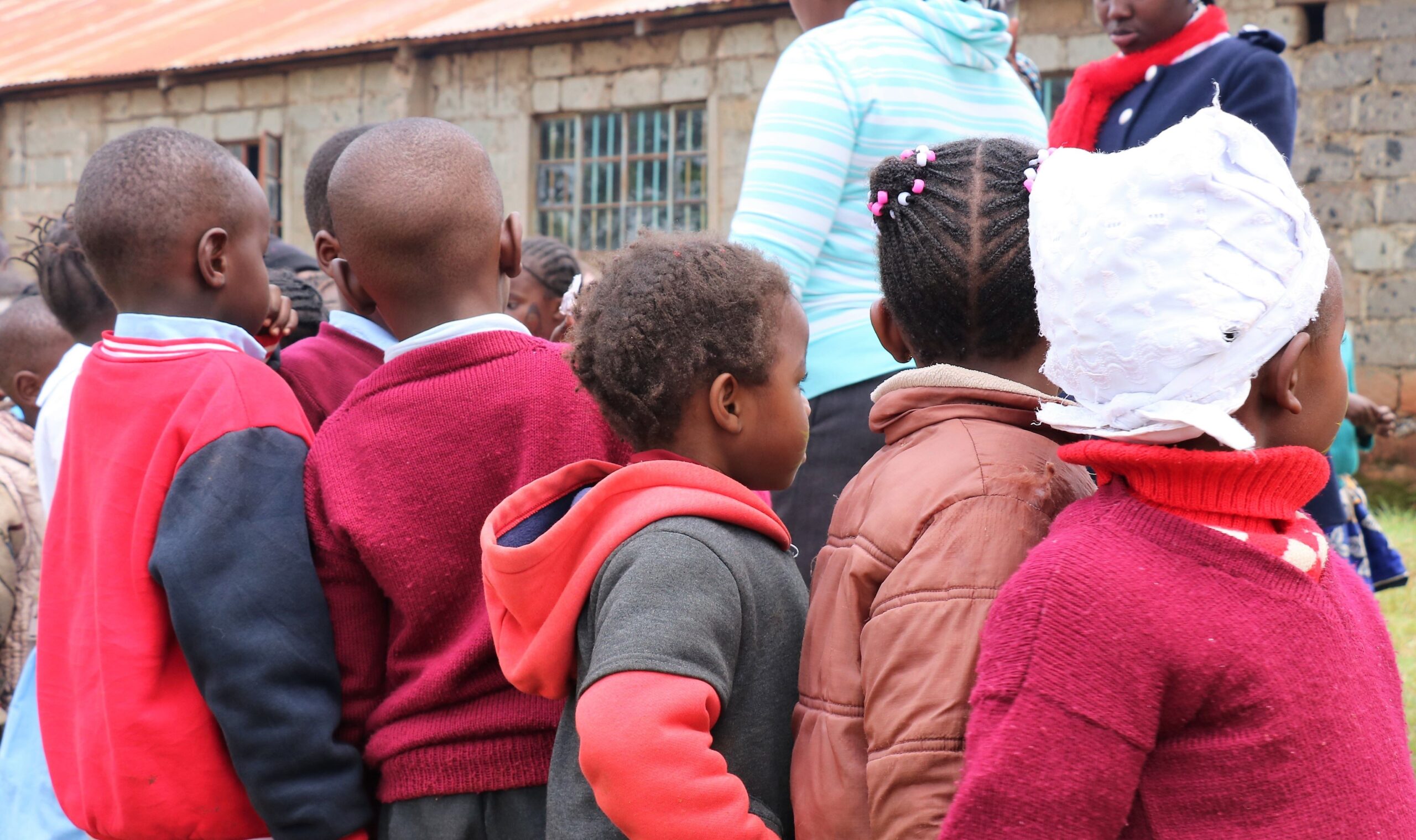
And Helping To Prepare Lunch
-
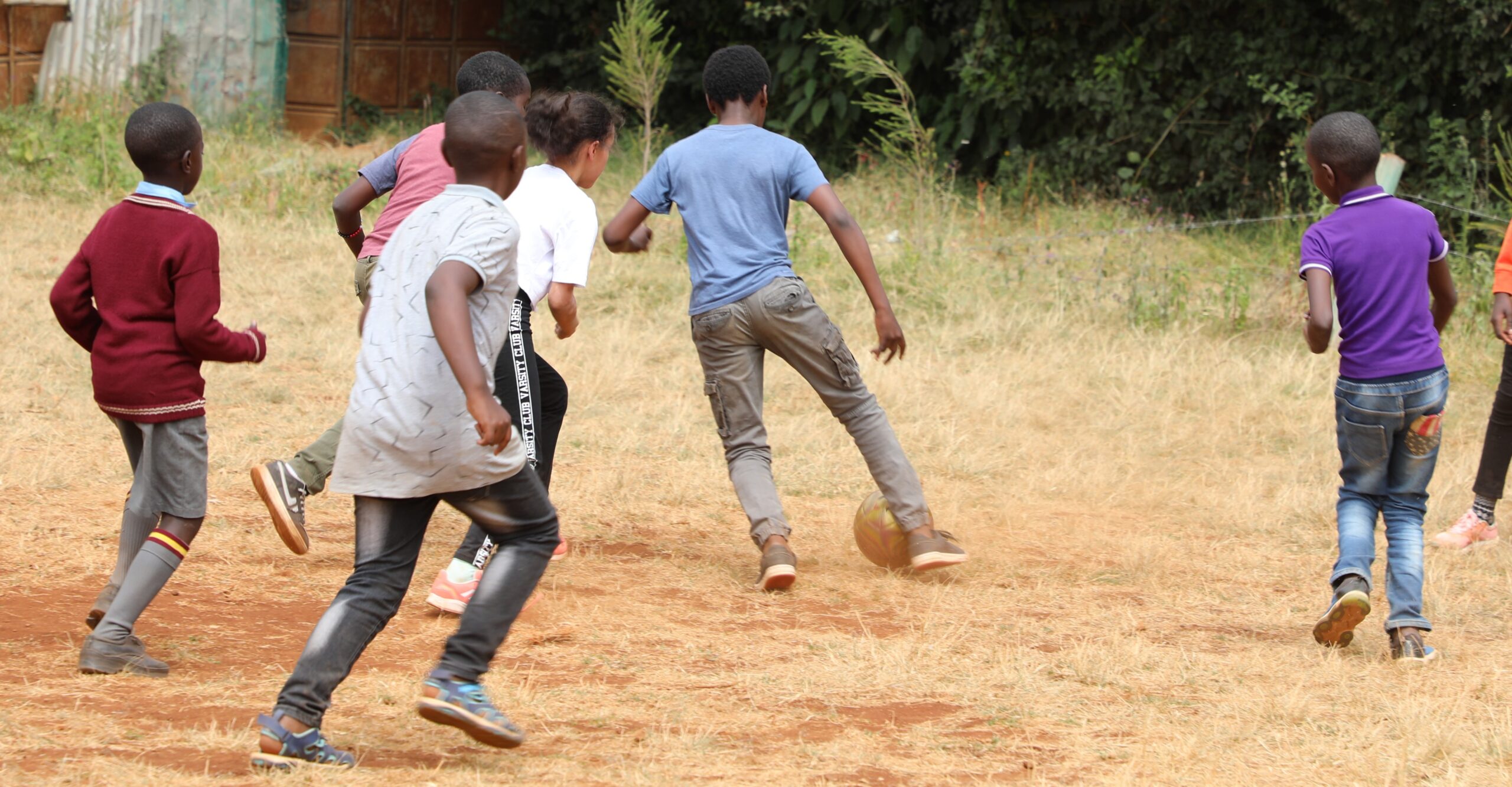
Playing And Working Together
-
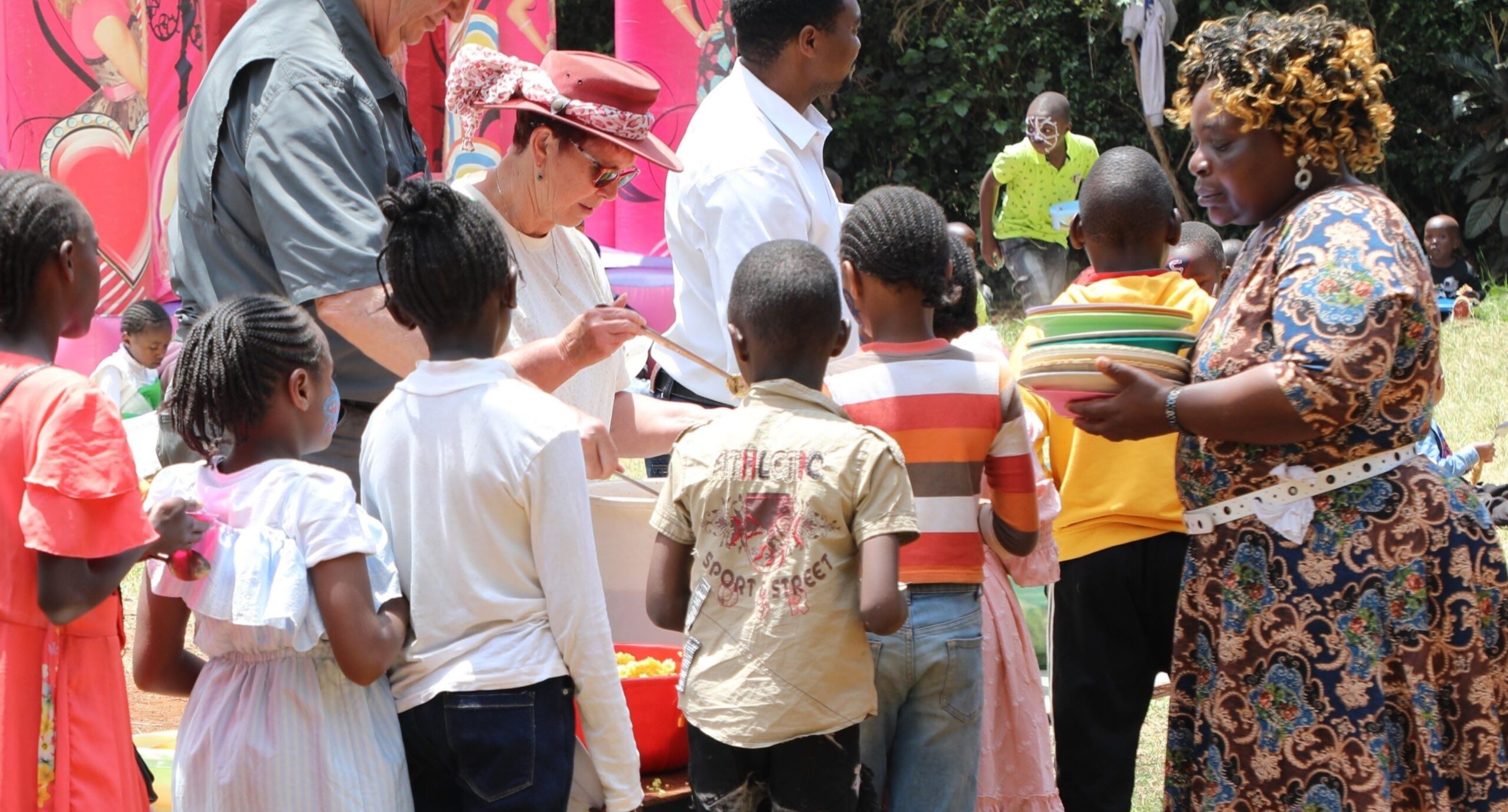
To Feed The Chlldren. Come And Be Part Of It
-
Be Part Of Something Which Makes A Difference!

An inspirational - and enjoyable - day What an incredible experience! I took part in the Farm to Feast tour and was still thinking about it days afterwards. The charity One Horizon uses the money from its tours to provide Grandmas with piglets or chickens which they can breed and then sell. This enables these women to generate their own income and escape from crippling poverty.
Itinerary
A sustainable program for Kenyan families
Students visit a One Horizon community program in Nairobi and work alongside Kenyan staff and local leaders who are addressing food insecurity and supporting families. The day provides a clear example of community-led development: local people identify priorities, organize resources, and build programs that support children and families over time.
Students assist with food preparation, help serve lunch, and engage with community members in a supervised, respectful setting. Teachers can use the experience to explore essential questions such as: What makes a community resilient? How do local leaders create change? What does responsible service look like? The program gives students a concrete, human-centered context for understanding global issues and their own responsibilities as informed citizens.
Inclusions
- Air conditioned hotel transfers – we’ll collect you at 9.00 am from your Nairobi hotel and drop you back at about 5pm. Along the way we’ll show you some amazing sights from the teaming masses of people trying to make a living as street vendors to communities that travellers rarely see.
- A light lunch.
- Unlimited fruit, tea, coffee and water.
Testimonials
Q1. Are students grouped according to age?
Answer: Yes. To ensure the program is age-appropriate, supportive and engaging, students participate in one of two groups:
- High school students aged 14 to 17 years
- College and university students aged 18 to 23 years
Q2. Do students aged 14 to 17 years need to be accompanied by a teacher, parent or guardian?
Answer: Yes. As part of our duty of care, students aged 14 to 17 years must be accompanied by an adult nominated by the school or institution. In most cases, this is a teacher or school-appointed staff member who acts as the lead contact and supports the management of the student group throughout the program.
Q3. Do college and university students aged 18 to 23 years need to be accompanied by a teacher, parent or guardian?
Answer: No. College and university students are not required to be accompanied by a teacher, parent or guardian. However, One Horizon requires a nominated point of contact for the group to support communication, coordination and liaison throughout the program.
Q4. Where do students and accompanying staff stay during their program?
Answer: Students and accompanying staff stay in 4- to 5-star international hotel accommodation for the duration of the program. The first two days of the program are conducted at the hotel, providing a comfortable and well-supported environment for orientation, learning and preparation. Accommodation is arranged on a twin-share basis.
Q5. How are students transported to community visits and program activities?
Answer: Students are transported in private, air-conditioned vehicles operated by One Horizon. The facilitators delivering the program also accompany students during daily activities, providing continuity, guidance and supervision throughout the experience.
Q6. Can parents contact their child during the program?
Answer: Parent communication is managed in accordance with the policies of the participating school or institution. One Horizon also provides 24-hour contact details, including mobile numbers and email addresses, so students can be reached if required. Internet connectivity is available at program venues and in the vehicles used to transport students and staff.
Q7. What meals are provided during the five-day program?
Answer: One Horizon caters for a wide range of dietary requirements, including vegetarian, vegan and familiar Western-style meal options. Meals are prepared with fresh, healthy ingredients and are provided through the hotel where students and staff are staying. Evening meals also include selected well-regarded Nairobi restaurants, giving students an additional opportunity to experience the city in a safe and structured way.
Q8. Is travel and health insurance required?
Answer: Yes. Appropriate travel and health insurance is required for student participation in the program. Schools, institutions, parents and guardians should ensure that each participant has suitable coverage before travel.
Q9. Does One Horizon have public liability and professional indemnity insurance?
Answer: Yes. One Horizon maintains insurance coverage that includes public liability and professional indemnity insurance. Copies of relevant policy documentation can be provided upon request.
Q10. What distinguishes One Horizon and the Changing This World experience?
Answer: One Horizon is accredited by the Kenyan Government to work directly with Kenyan communities. It operates independently and does not receive financial or other support from the Kenyan Government. Its overriding mission is to provide practical pathways that help people lift themselves out of poverty. This purpose-led approach gives students meaningful insight into community development, resilience and sustainable change. One Horizon’s mission and work are captured in the video ‘What We Do’.


 One Horizon Africa
 @onehorizonkenya
 onehorizonkenya