-
×
Changing Our World 5 Days
- Booking Details :
-
-
Travel Date :
September 22, 2026
-
Subtotal: $0.01
Changing Our World 5 Days
September 22, 2026

Changing This World is designed to develop confident, compassionate and globally minded young leaders. The program equips students with the practical leadership, communication and problem-solving skills they need to understand complex social challenges and contribute meaningfully to fairer, more inclusive communities. Through a carefully structured learning experience in Kenya, students are encouraged to think critically, act responsibly and recognise their capacity to make a positive difference both internationally and within their own communities.
The Changing This World program is a five-day, multi-faceted educational experience that draws on One Horizon Africa’s extensive in-field work with communities in Kenya. It combines guided learning, cultural engagement and real-world problem solving to help students understand how sustainable change is achieved in partnership with local communities. Throughout the program, students practise the essential soft skills valued by leading schools and universities: collaboration, negotiation, empathy, resilience, ethical decision-making and purposeful leadership.
Engaging, distinctive and deeply inspiring, the program has been developed for school, college and university students seeking experiences that extend learning beyond the classroom. For students, it offers a powerful opportunity to explore personal values, future pathways and vocational aspirations. For administrators, parents and teachers, it provides a well-supported educational program that strengthens character, broadens perspective and fosters responsible global citizenship.
Who Can Participate in the Program?
The program has been developed for two student groups: high school students aged 14 to 17 years, and college and university students aged 18 to 23 years. Each group participates in age-appropriate activities designed to support maturity, confidence and leadership growth. At the completion of the program, participants receive a Certificate of Achievement from One Horizon Africa, recognising their commitment, learning and contribution.
Expected Outcomes for Educators and Schools
By the end of the program, participants will have gained a deeper understanding of the social, cultural and economic factors that influence children’s access to education, student wellbeing and long-term opportunity. The experience encourages educators and administrators to reflect on the role schools can play in building stronger connections with families, communities and local support networks. Participants return with practical insights into community-led development, inclusive education, service learning, global citizenship and social impact, together with ideas that can inform classroom discussion, school partnerships, student engagement and wider community initiatives.
For schools and education organizations seeking a meaningful, professionally relevant social impact experience in Kenya, this program offers a powerful combination of community engagement, cultural learning and educational insight.
Seeing Life Through Others Eyes
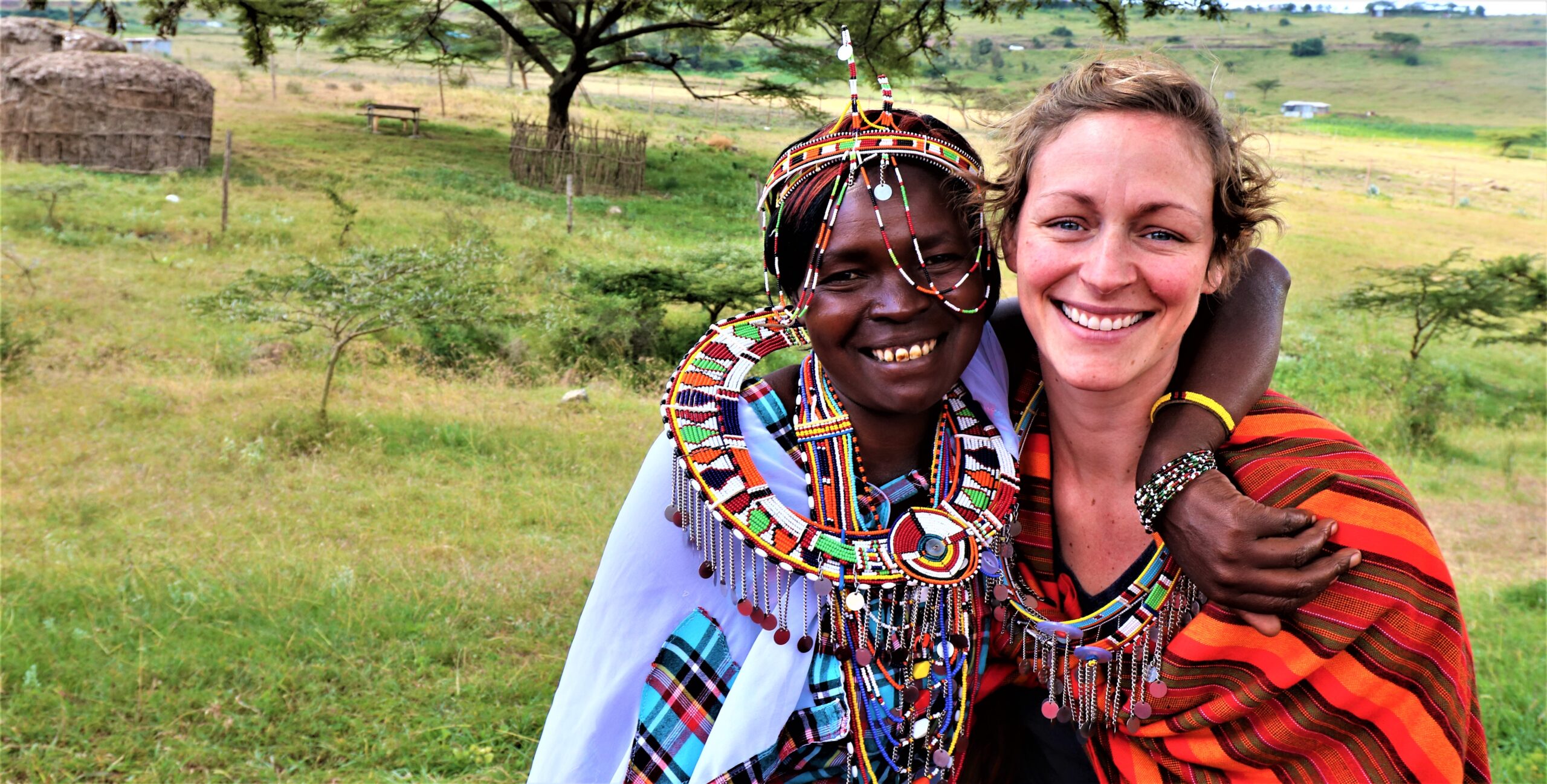
Defining What We Have In Common
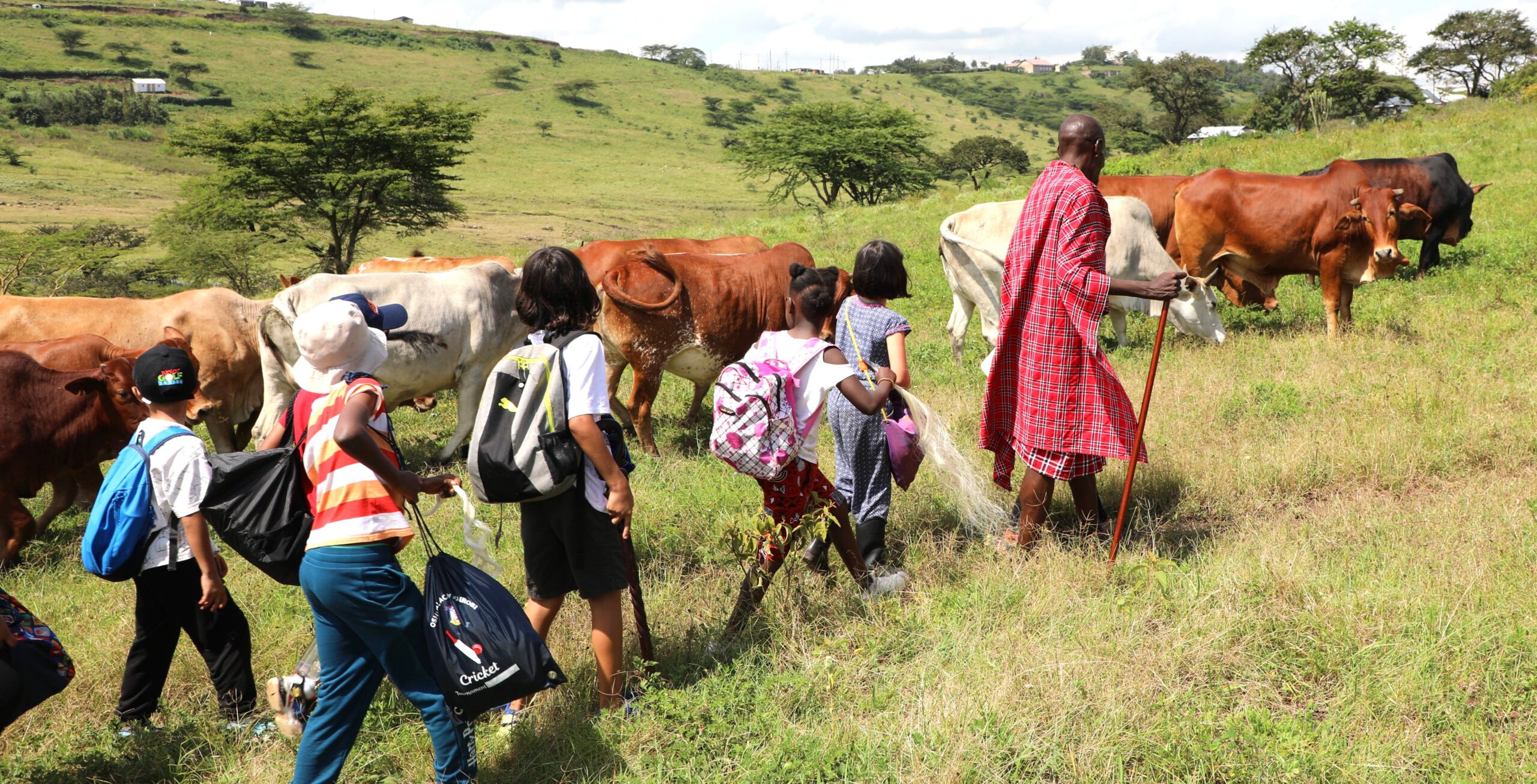
New Experiences And Perspectves
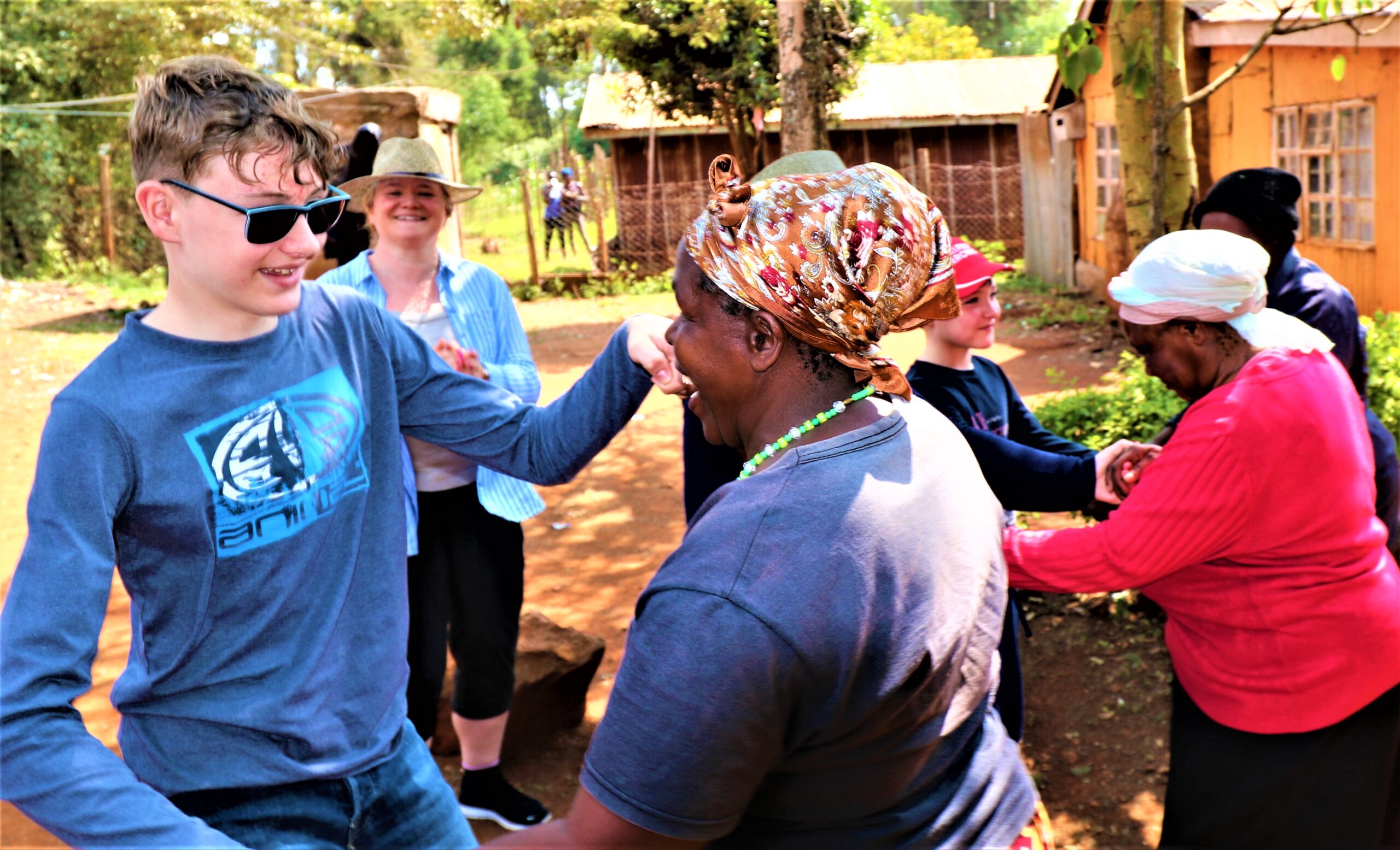
Where Singing And Dancing Is Bonding

Experiencing Life As It Is
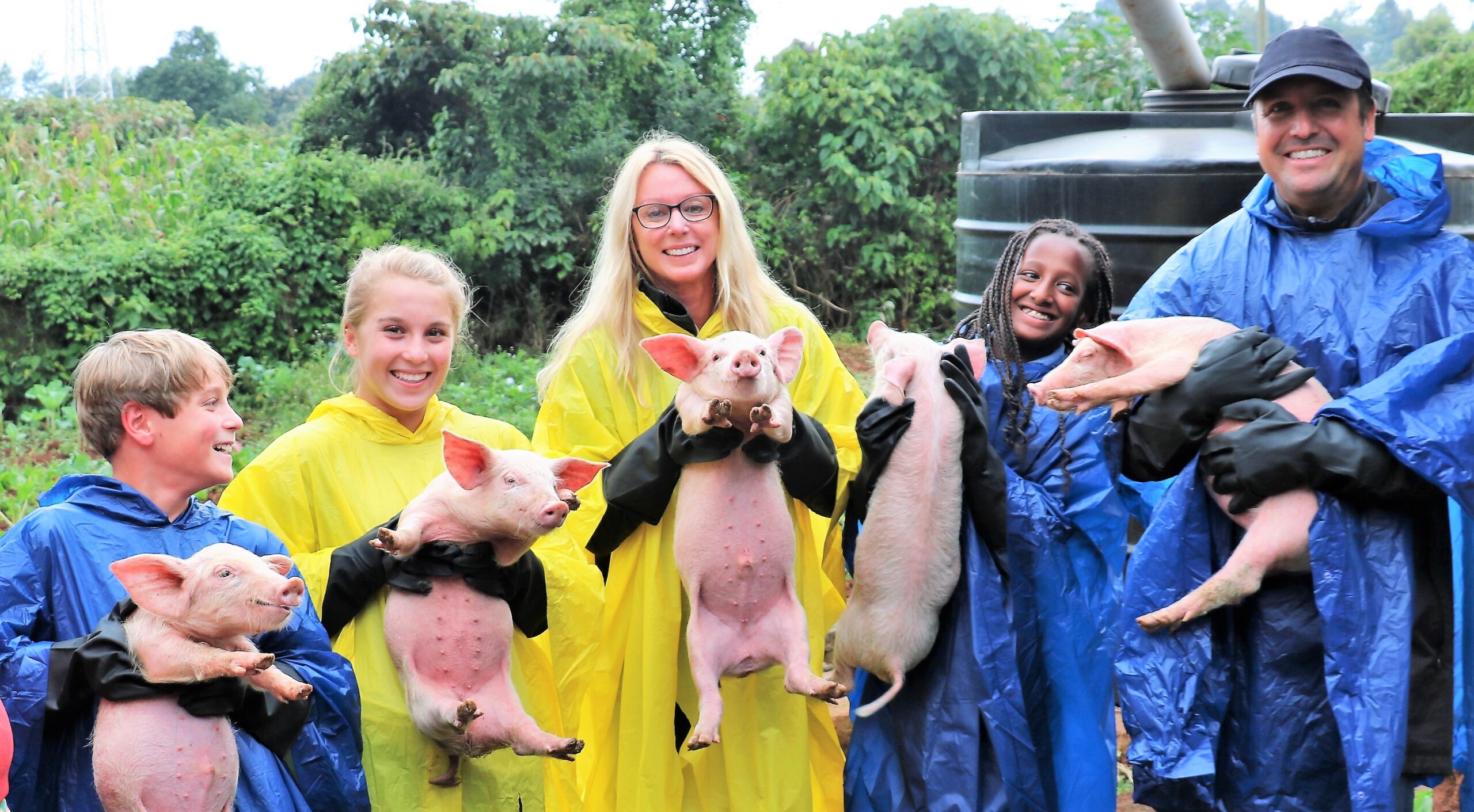
And How Pigs Have Changed Their Lives
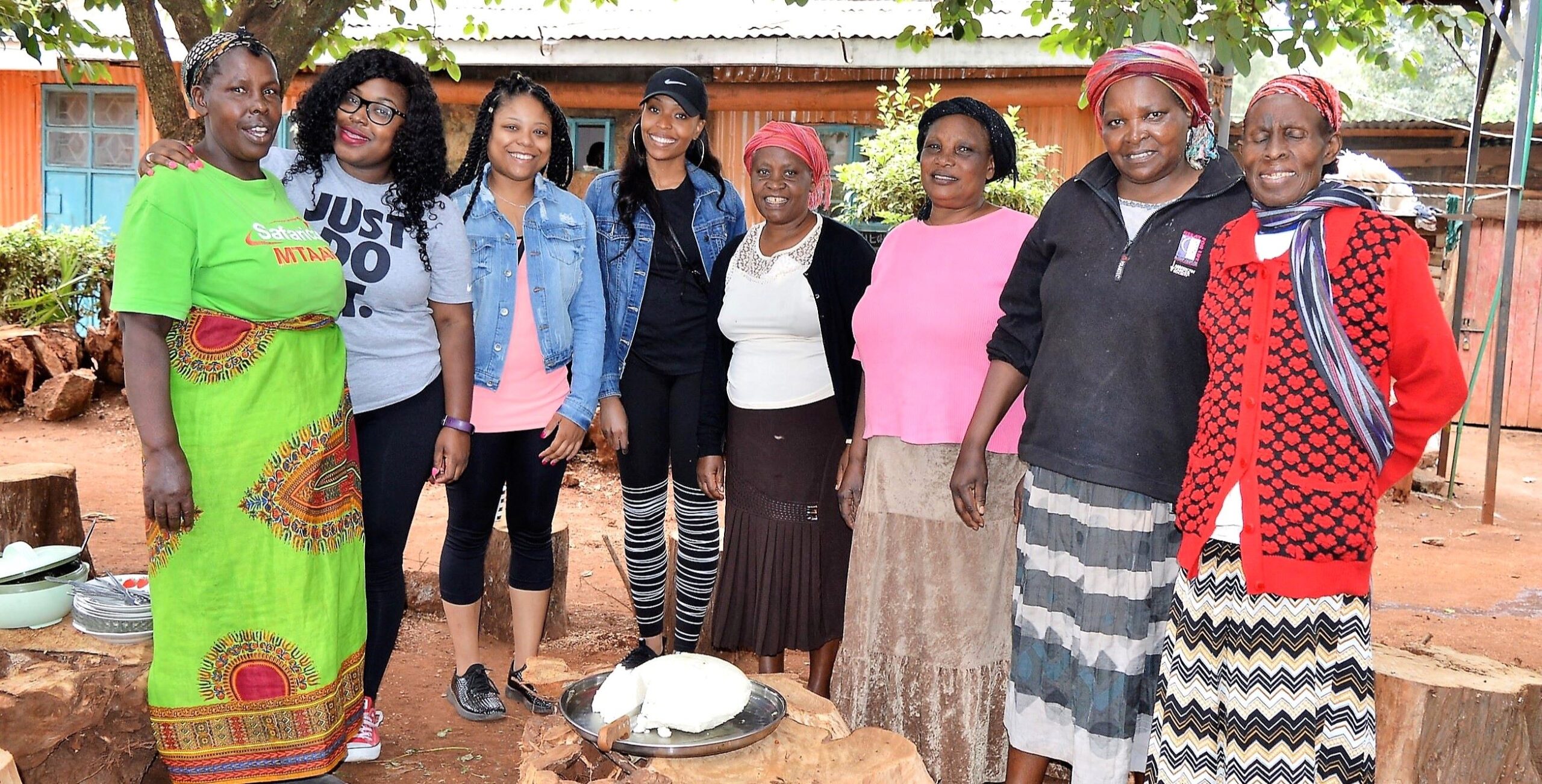
Where Age Is Irrelevant
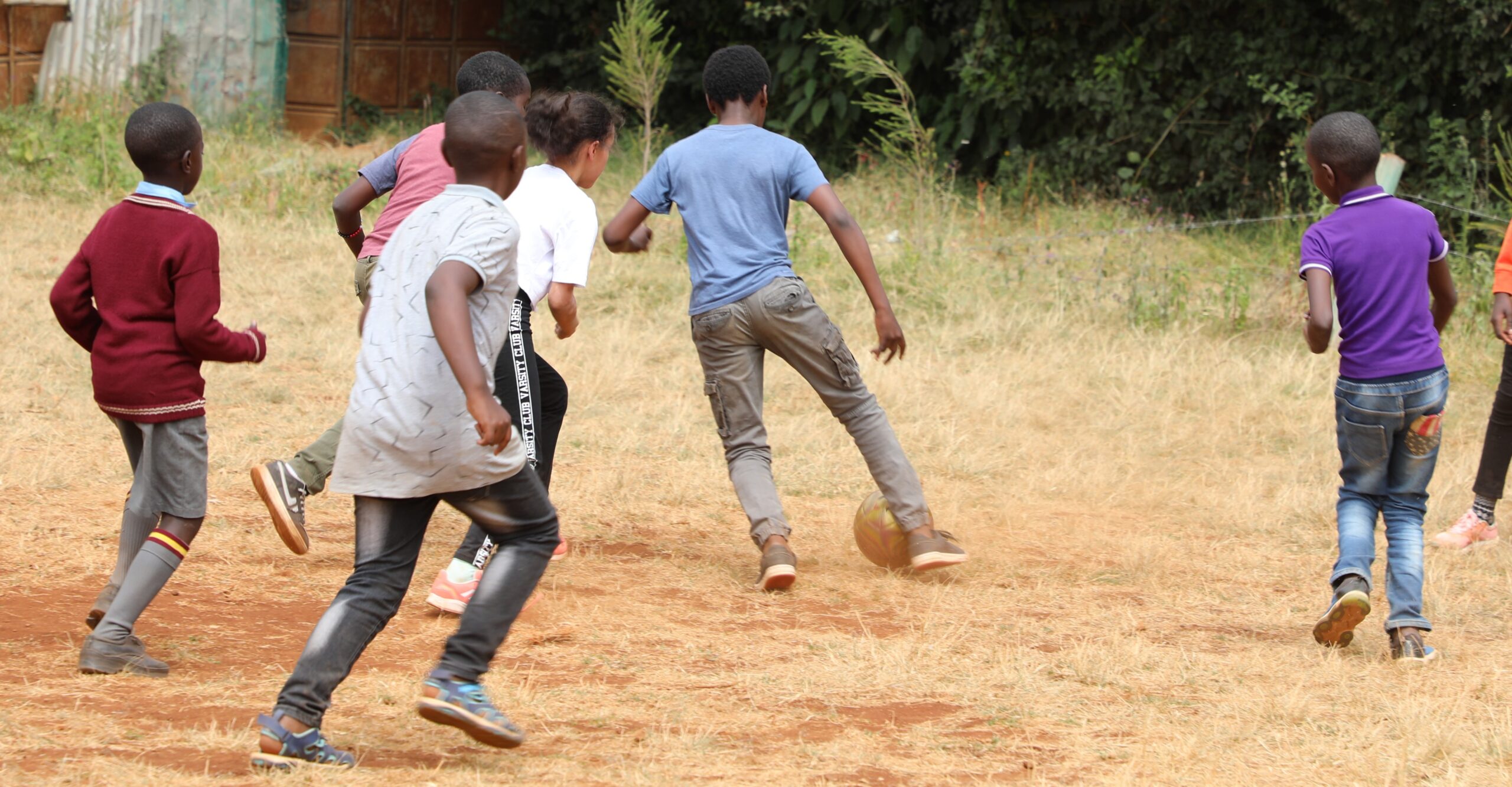
Playing And Working Together
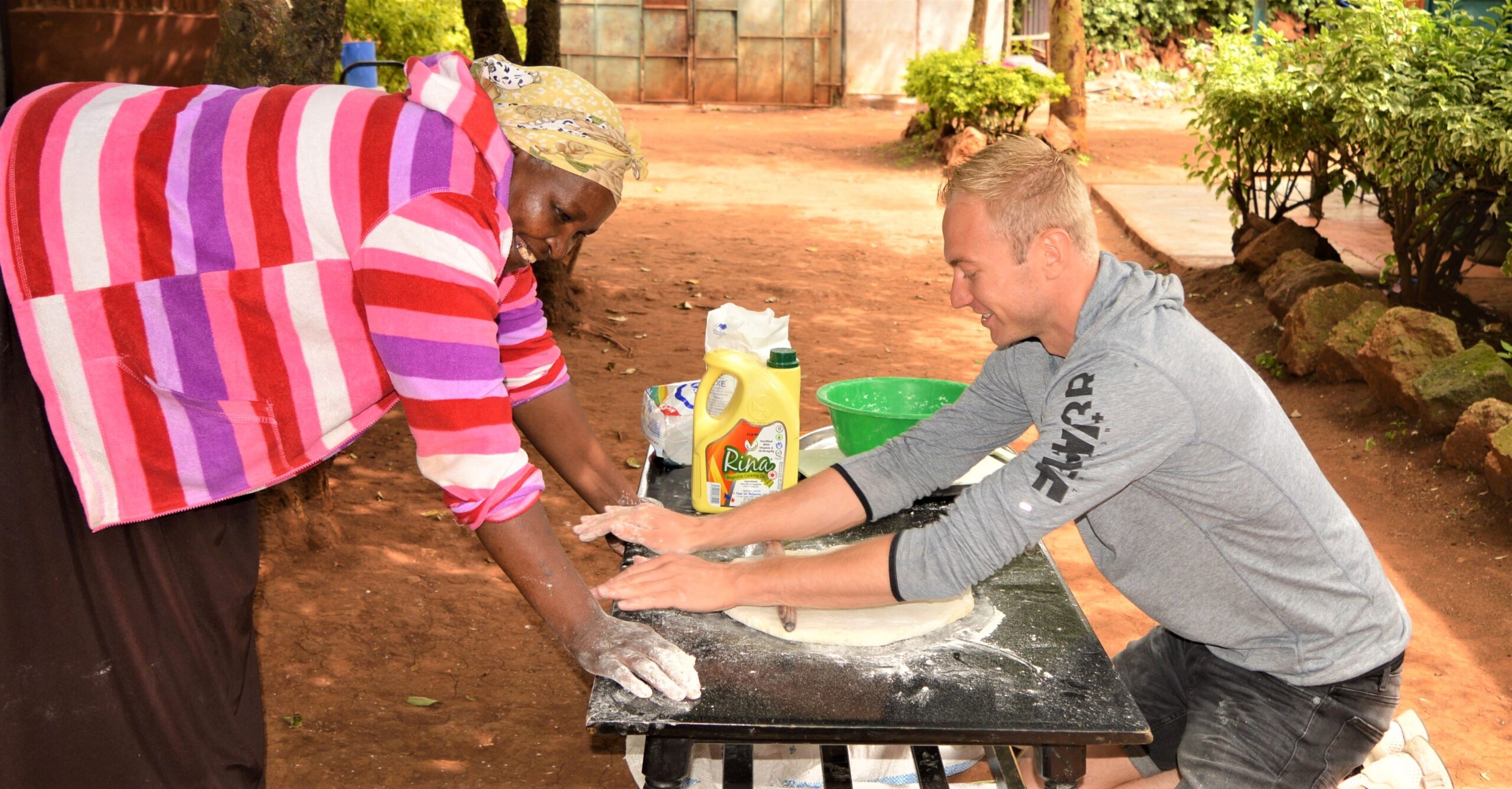
Learning Together

Introduction
Changing Our World is a five-day student leadership and service learning program designed to help young people build empathy, cultural understanding and practical problem-solving skills. Through facilitated workshops, community-based field experiences and guided reflection, students explore how thoughtful leadership and responsible action can create meaningful change in their own schools, communities and beyond.
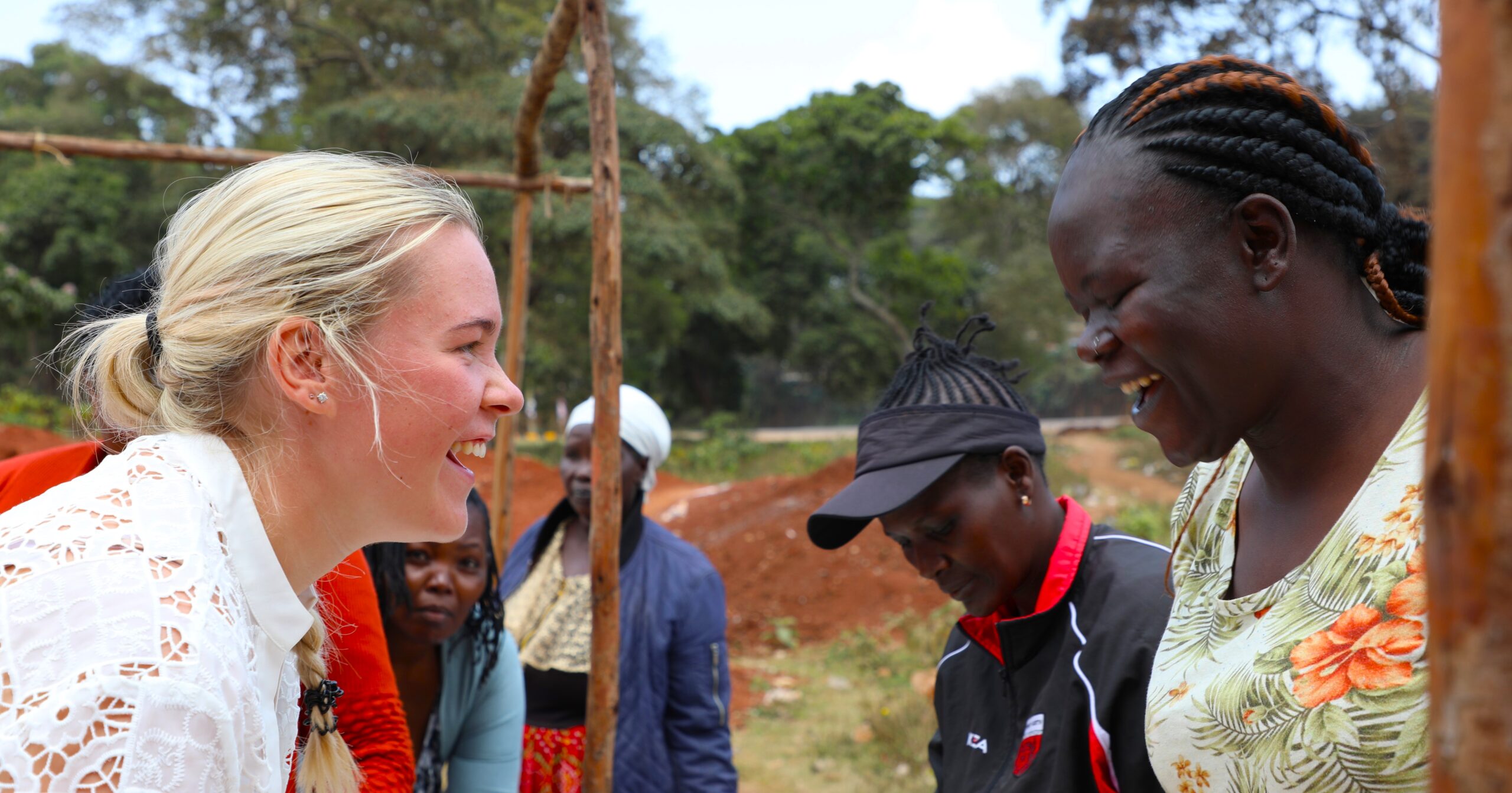 Learning From Others
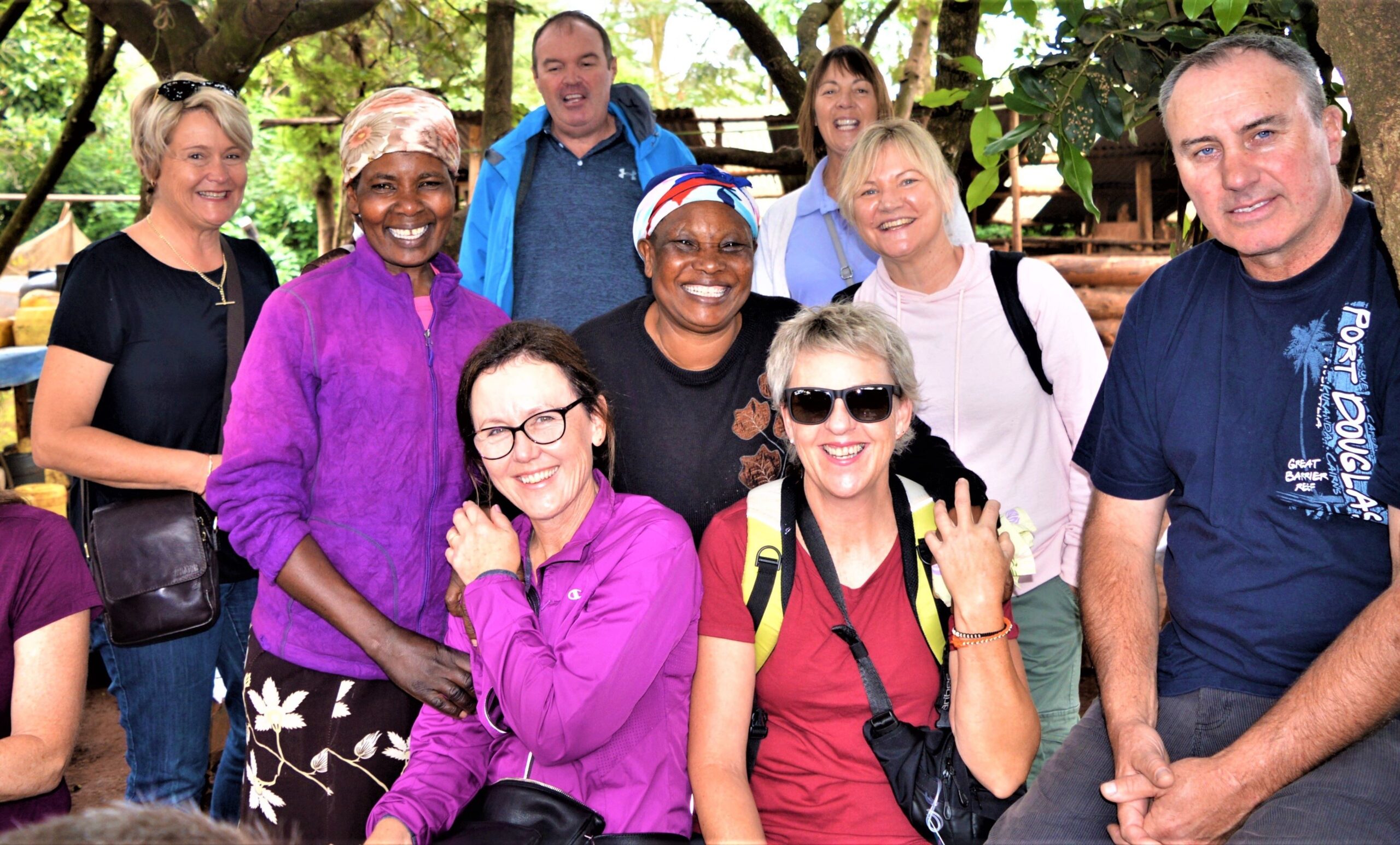 Bringing The World Together
Session 1 – Introductions and Ice Breaker Fun
Students begin by building trust, confidence and connection through guided introductions and icebreakers. One Horizon facilitators, drawn from local Kenyan communities, remain with the group throughout the program to support reflection, participation and learning.
Session 2 – Briefing – All About Kenya
Participants receive an age-appropriate introduction to Kenya, including community life, family structures, employment, income and key social challenges. This session gives students essential context for the experiences that follow.
Session 3 – The Communication Behaviours of Successful Leaders
Students explore the communication behaviours used by effective leaders of change. Working in small groups, they develop solutions to real-world challenges while facilitators observe group dynamics and provide constructive feedback.
The session concludes with a powerful debrief on the behaviours that help groups make progress. Students leave with practical leadership strategies they can apply at school, in their communities and beyond.
Session 4 – Values and Decision Making
In this decision-making challenge, students respond to a simulated crisis, first individually and then as a group. As views are tested and time pressures increase, students practise listening, persuasion, compromise and consensus-building. Facilitators guide a debrief that draws out the values and leadership lessons behind each decision.
Session 5 – Debrief
The day ends with a facilitated reflection on key learning. Each student identifies one important insight they will carry forward from the day’s activities.
Breakfast, lunch and dinner are provided as part of the day’s activities
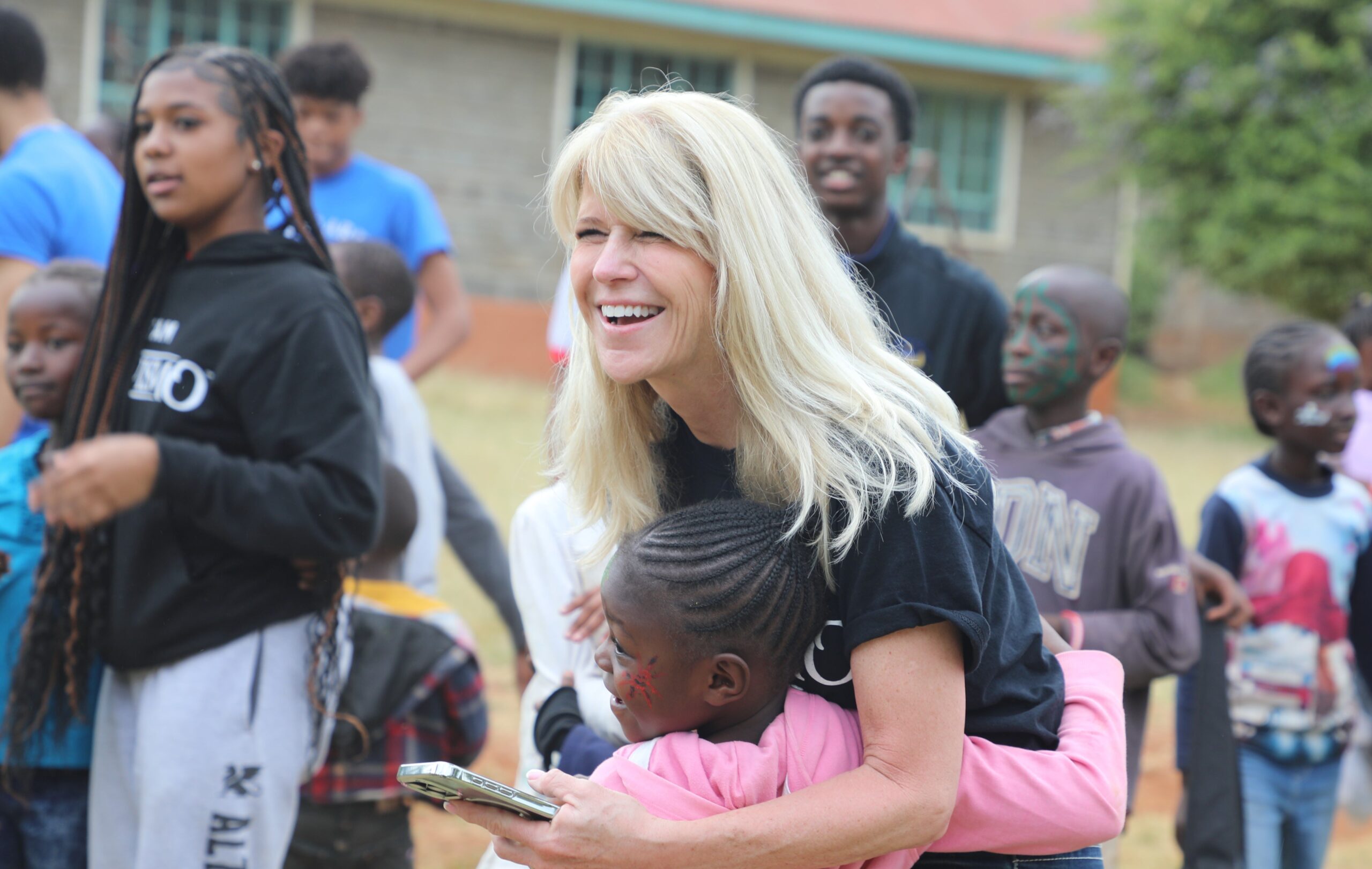 Reaching Out To Each Other
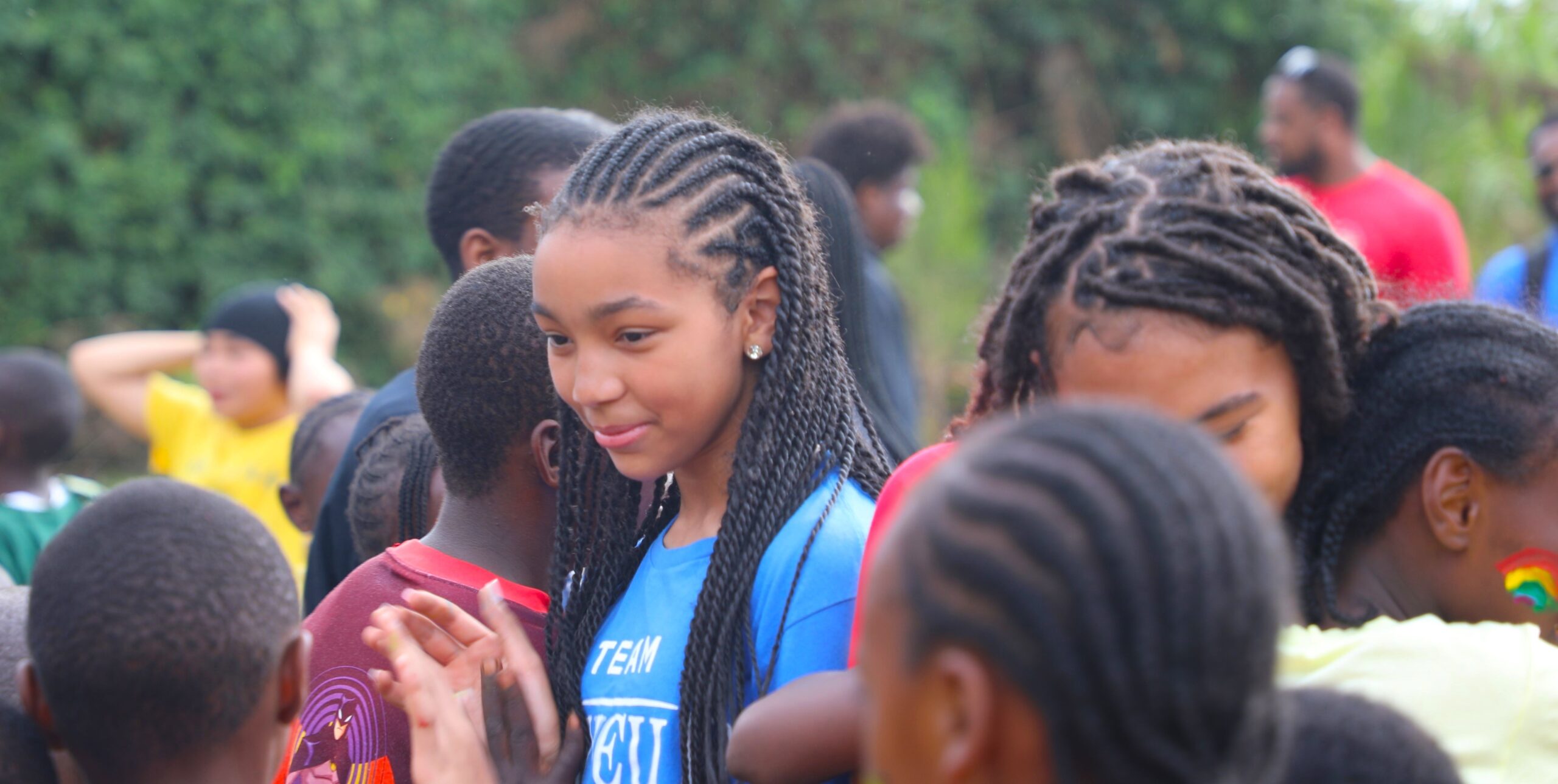 It's Up To All Of Us
 Bonding In Respect
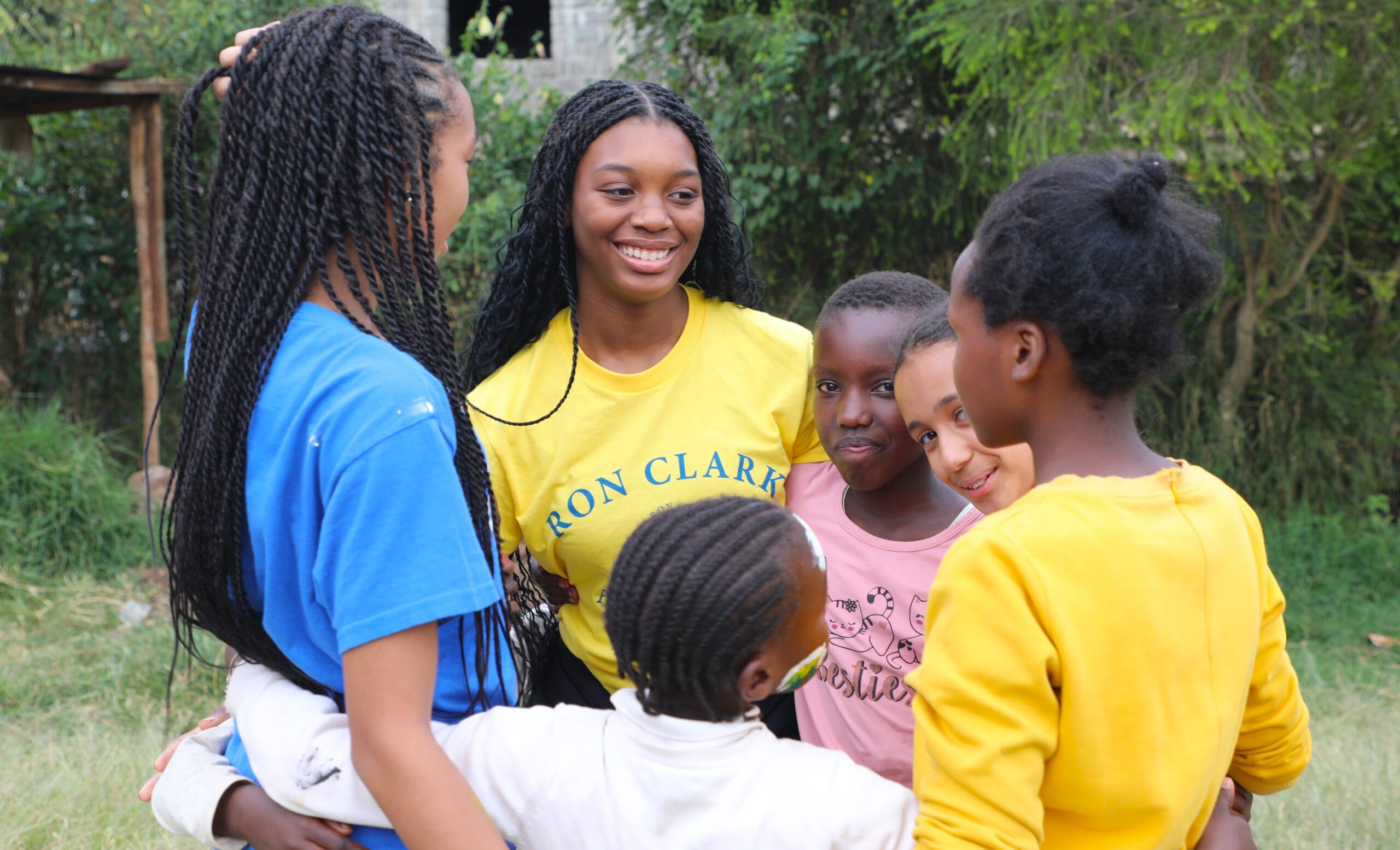 Walking Forward Together
Session 1 – Goals and Measurable Outcomes
Students examine One Horizon’s responsible and sustainable community programs, focusing on goals, implementation and measurable outcomes. They consider what success looks like and how similar principles can be applied in their own school and community contexts.
Session 2 – What to Expect
Students are introduced to the communities they will visit during the field experience:
Session 3 and 4 – Problem Solving
Using a practical problem-solving framework, students learn to break down complex issues, identify contributing factors and develop thoughtful solutions. The activity strengthens collaboration, critical thinking and shared responsibility.
Session 5 – Team Debrief
Day 2 concludes with a team debrief. Students reflect on the skills and insights they can apply during the field visits and in future leadership opportunities.
Breakfast, lunch and dinner are provided as part of the day’s activities
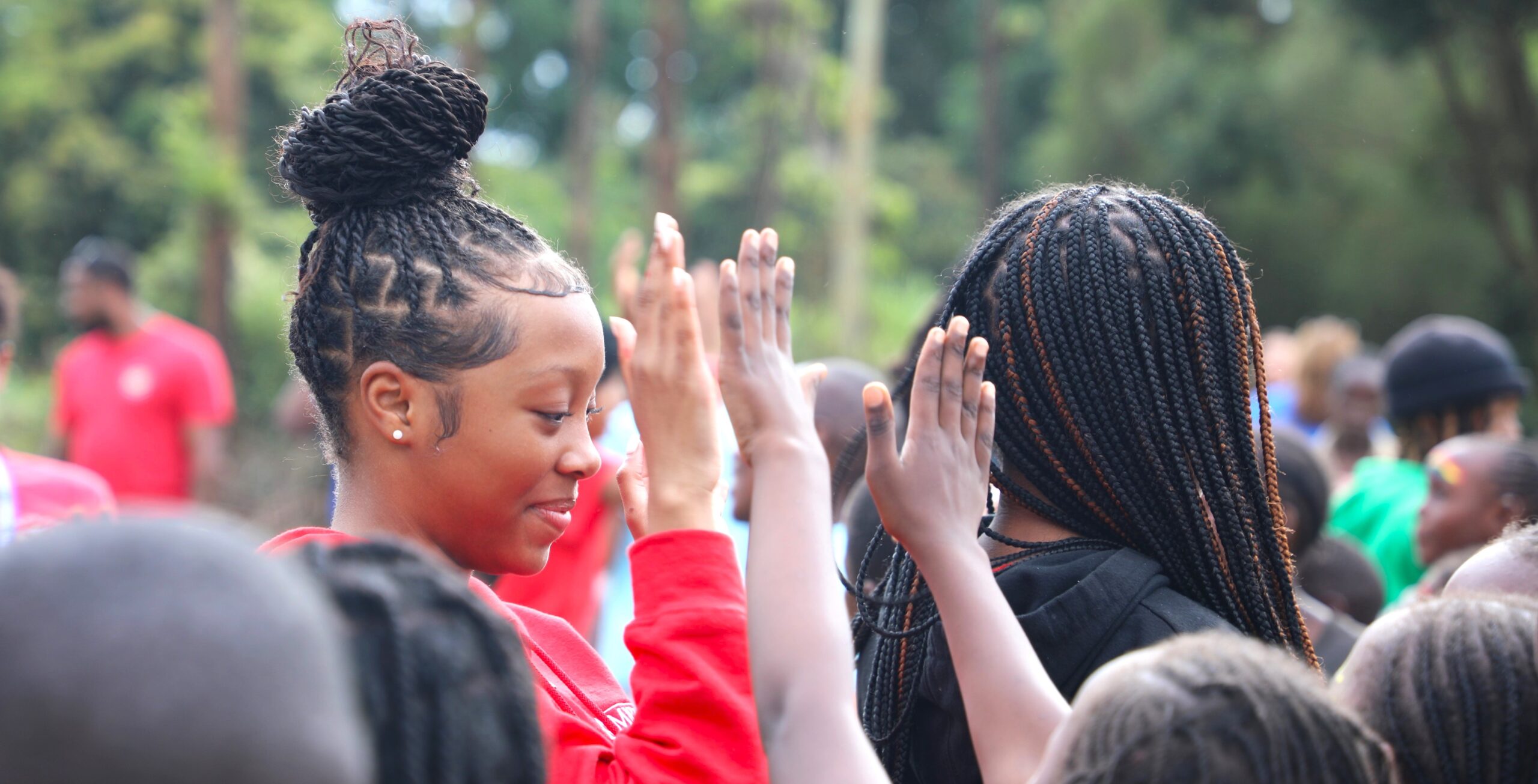 A Program Of Citizenship
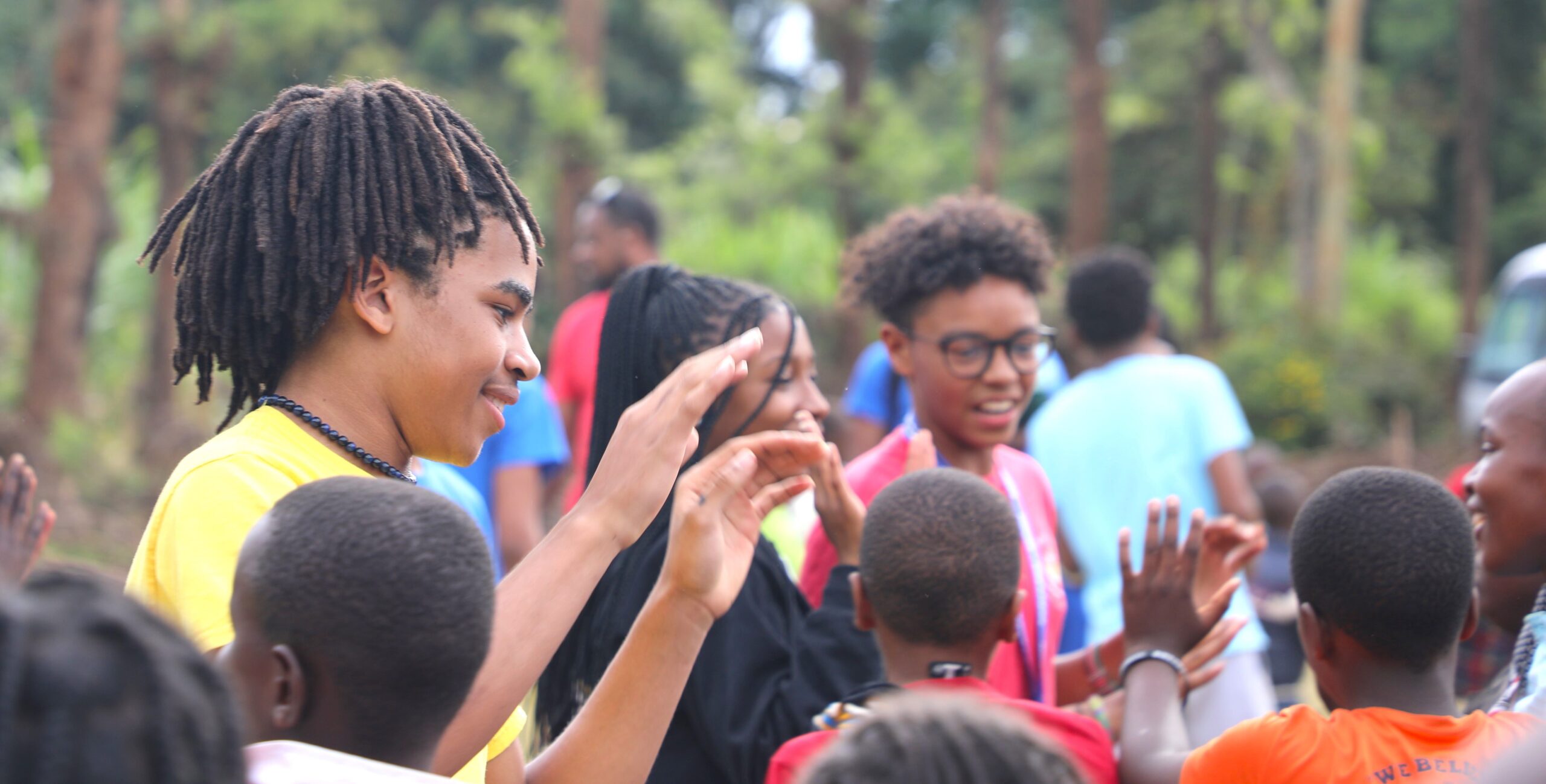 Taking Responsibility For Others
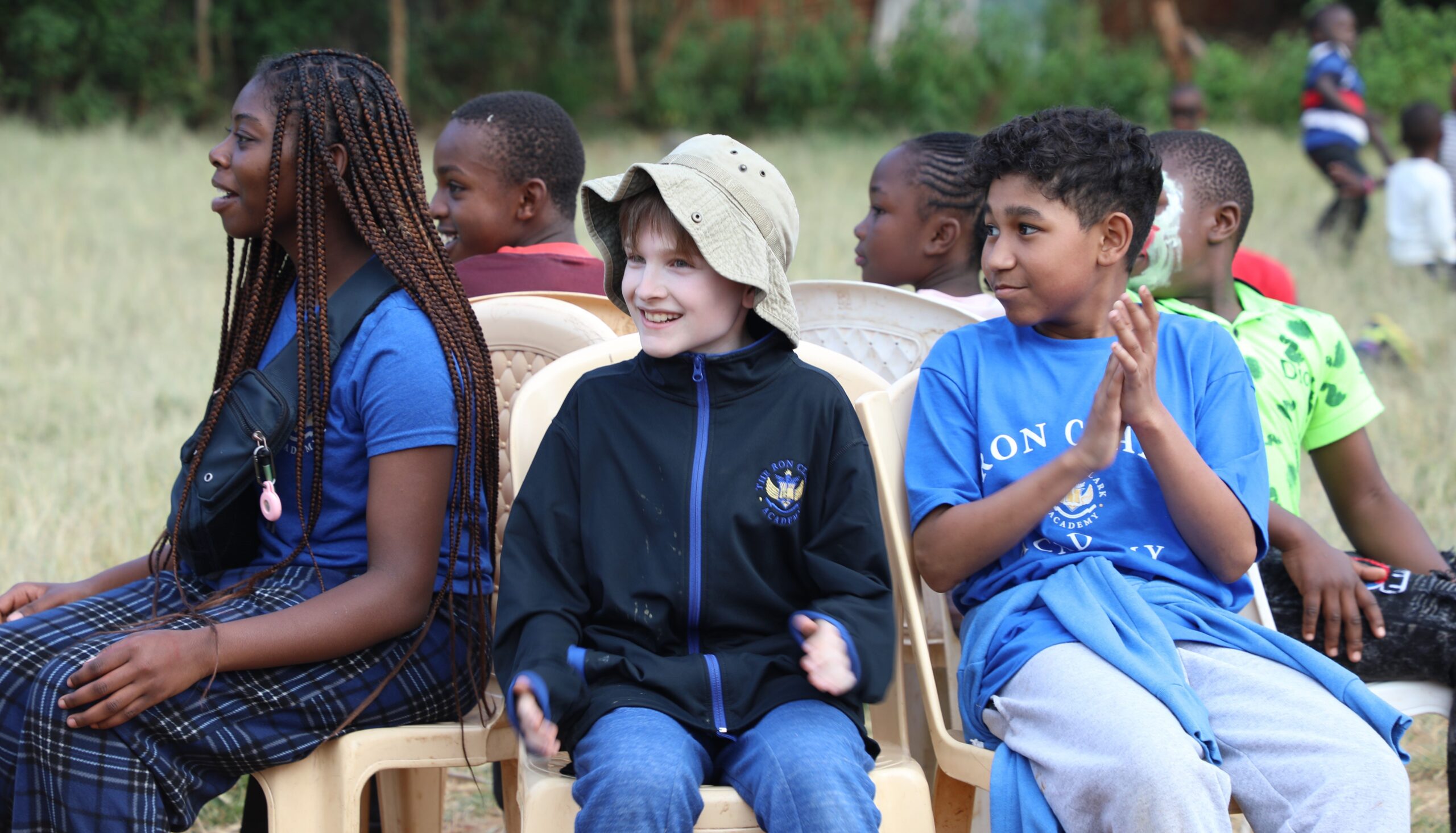 No Barriers Just Opportunities
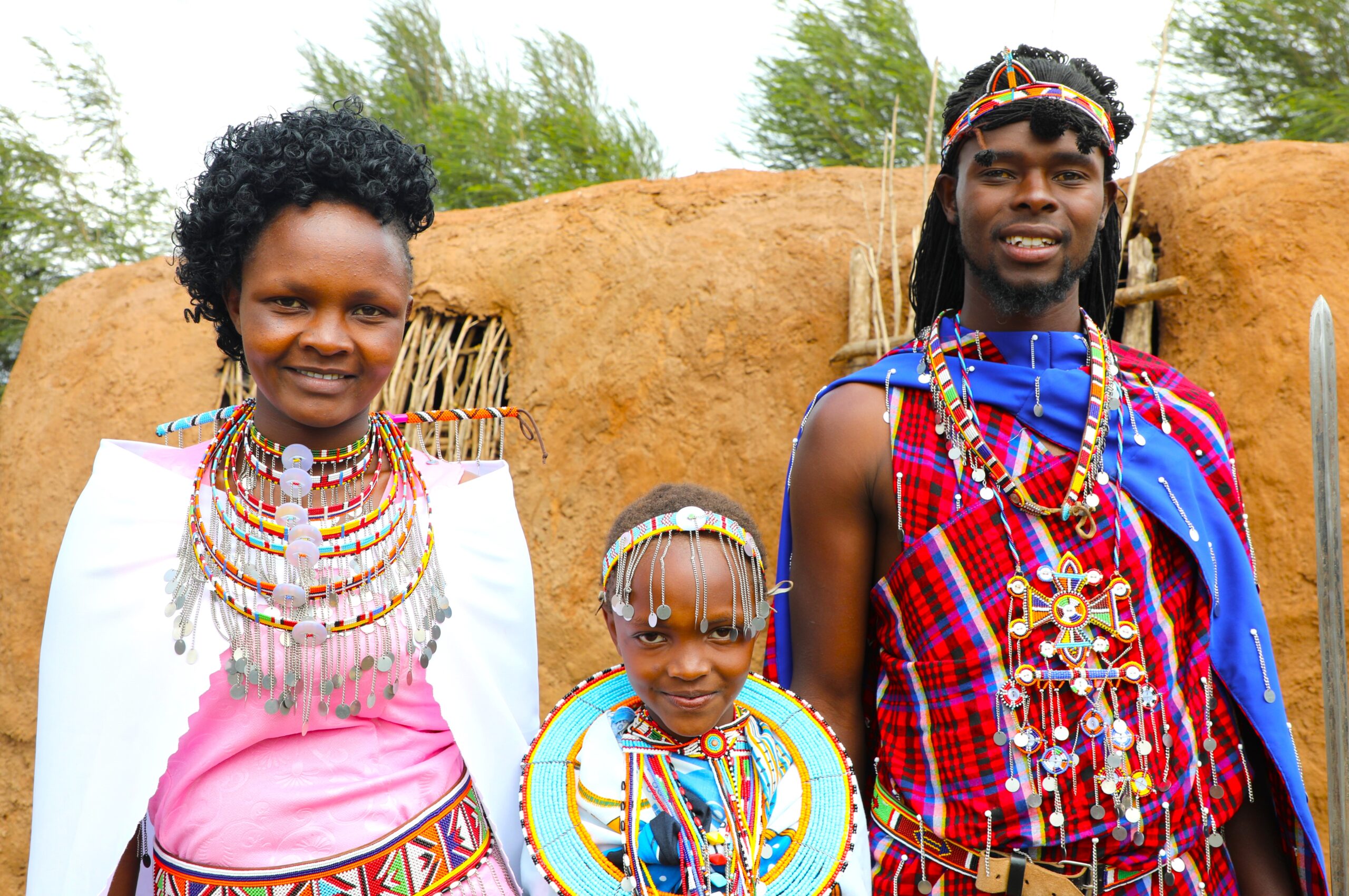
A Maasai Community
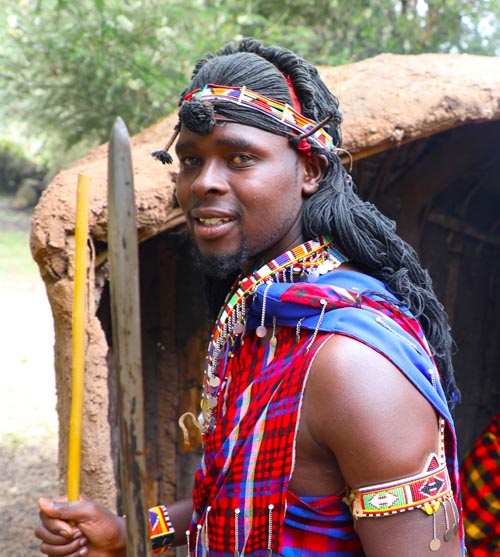
Students spend the day with a Maasai family in a village on the outskirts of Nairobi, gaining first-hand insight into community life, culture and tradition.
Through conversations with a young Maasai woman, a Maasai warrior and a village elder, students explore different perspectives on daily life, identity and community responsibility.
The visit includes time in a traditional manyatta, with opportunities for questions, storytelling, singing and dancing. Students are encouraged to listen deeply and engage respectfully.
The experience helps students appreciate cultural difference while considering the opportunities and challenges facing the Maasai community today.
A closing debrief invites students to reflect on what they have learned and consider how communities can respond to obstacles with creativity and resilience.
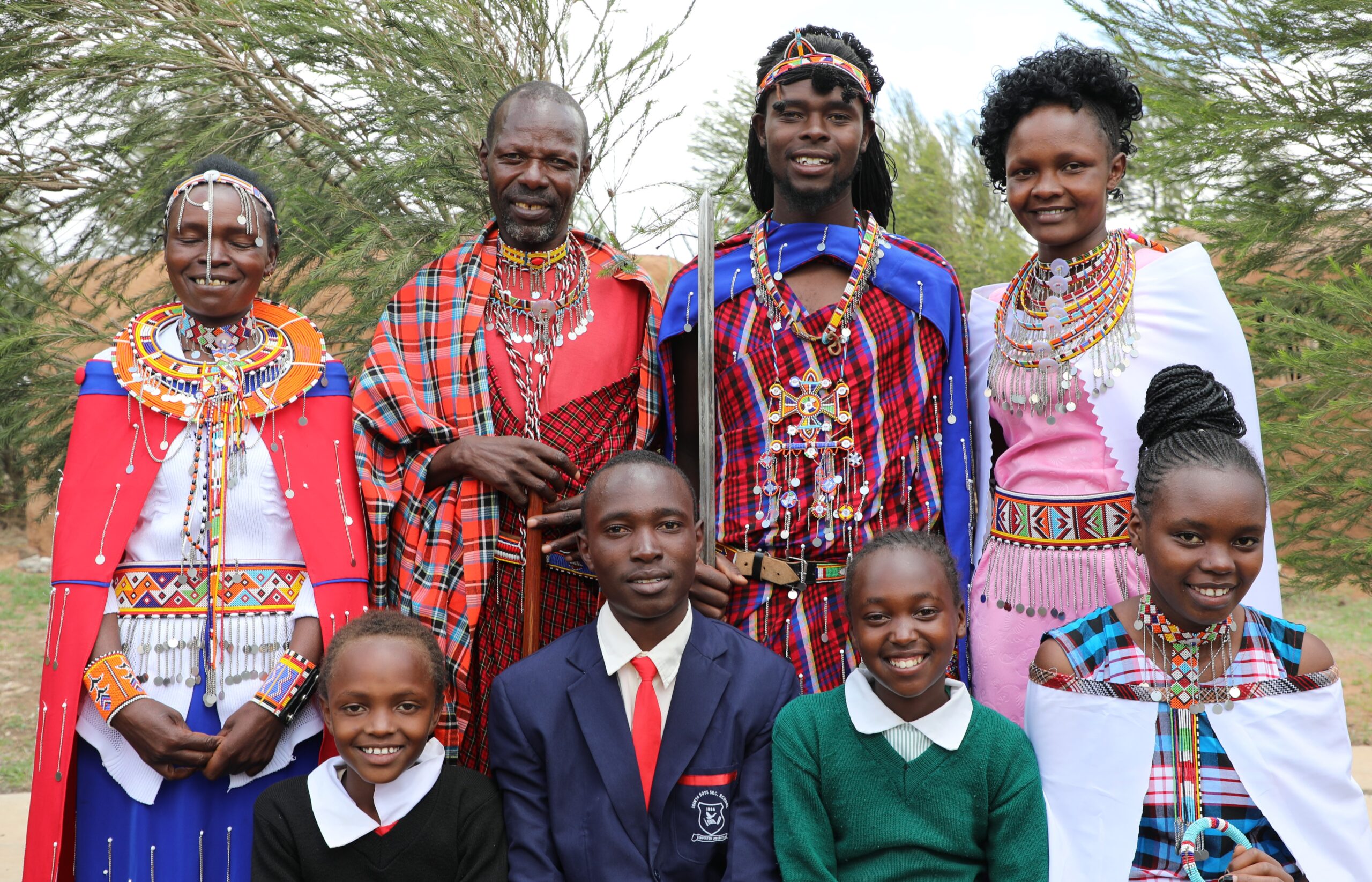 Your Host Has 5 Children
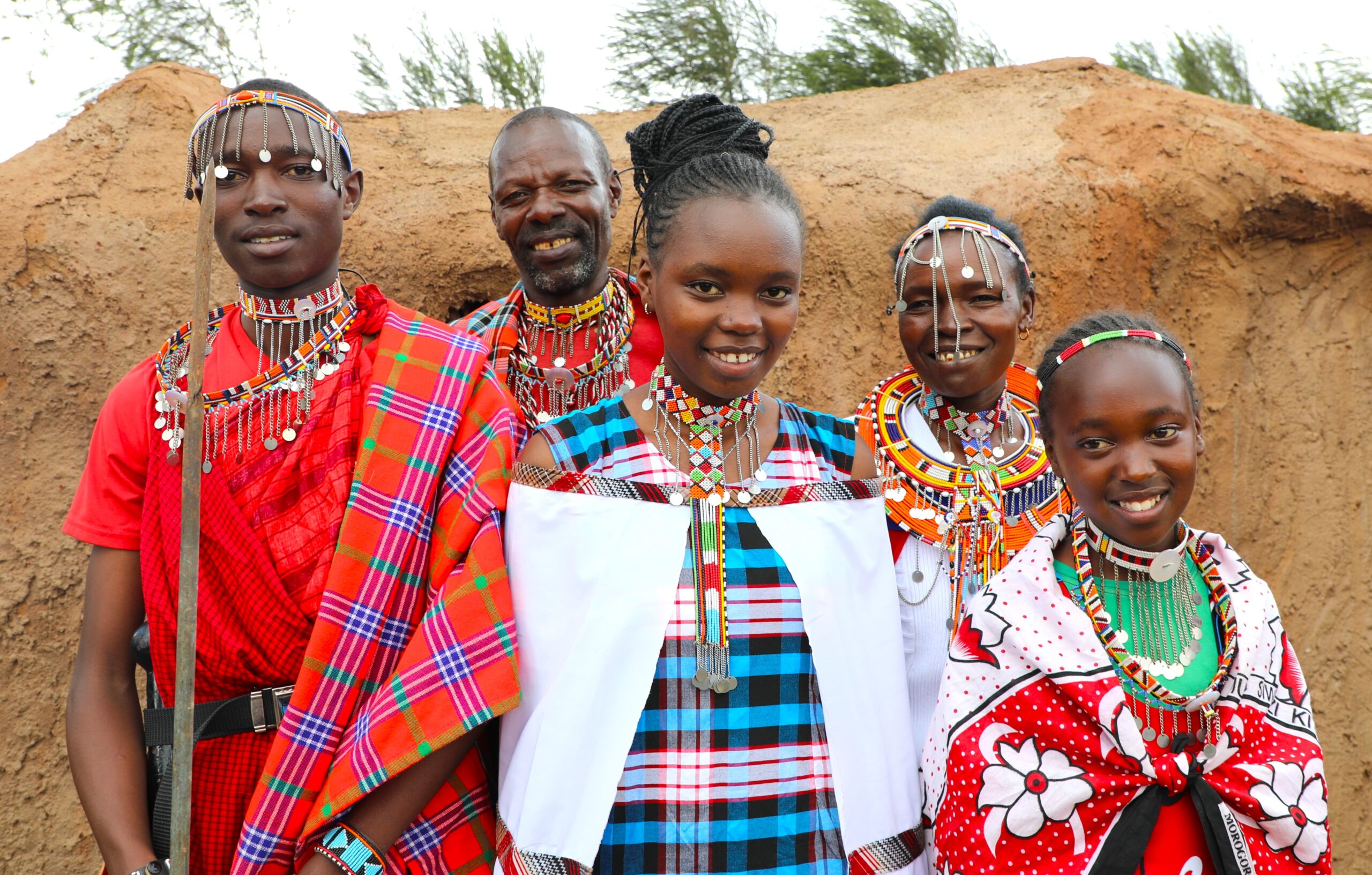 What Common Values Do We Share
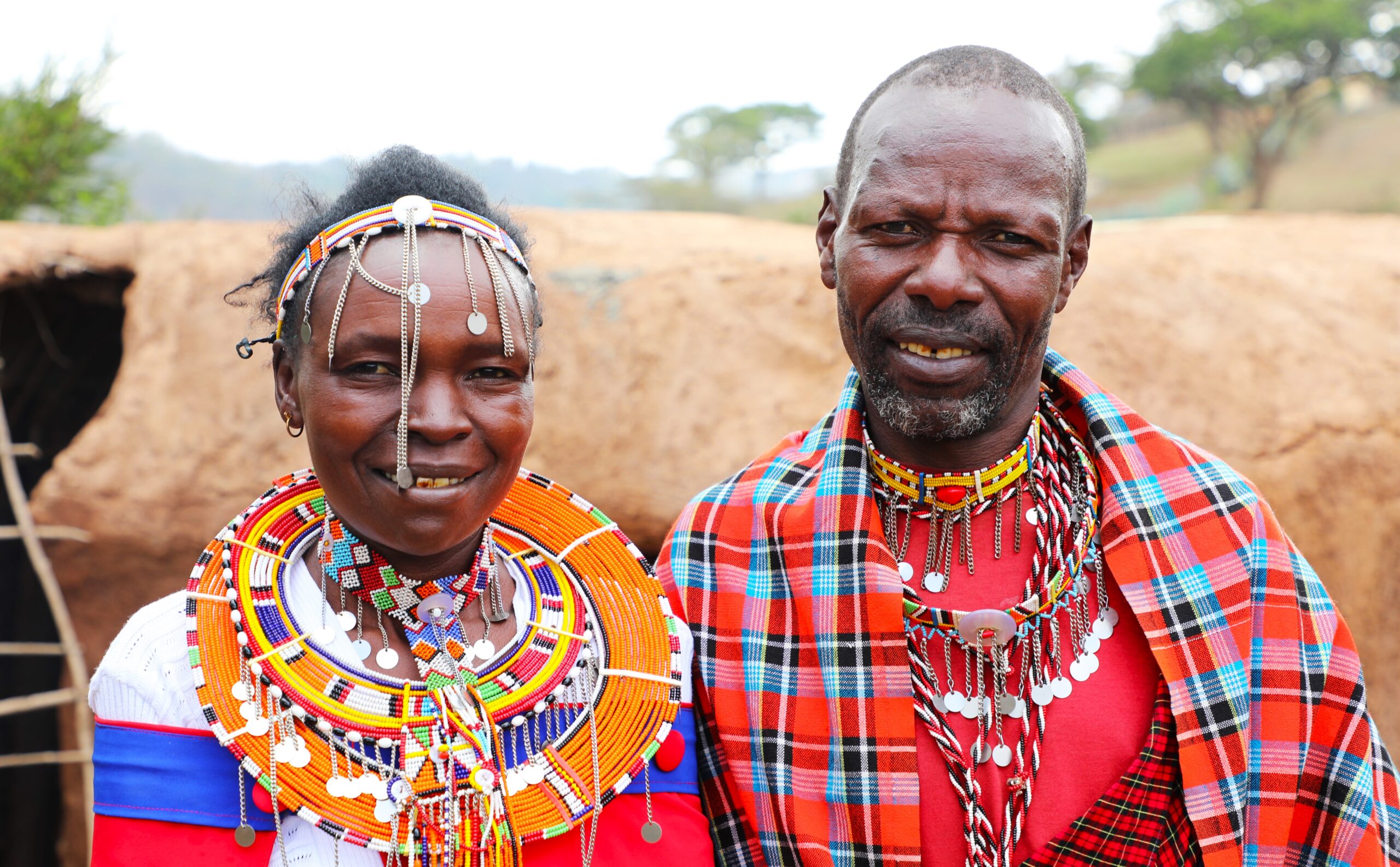 Parents Driving Change
A Community of Grandmas Forging New Futures
Students visit the homes and farms of Kikuyu grandmothers who are building more secure futures for their families through small-scale enterprises such as raising pigs or chickens.
Students hear the grandmothers’ stories, learn about their daily responsibilities and may take part in simple farm activities. The experience encourages comparison, empathy and respect across generations and cultures.
Throughout the day, students consider the role of grandmothers in community life and explore practical ideas for addressing the challenges these families face.
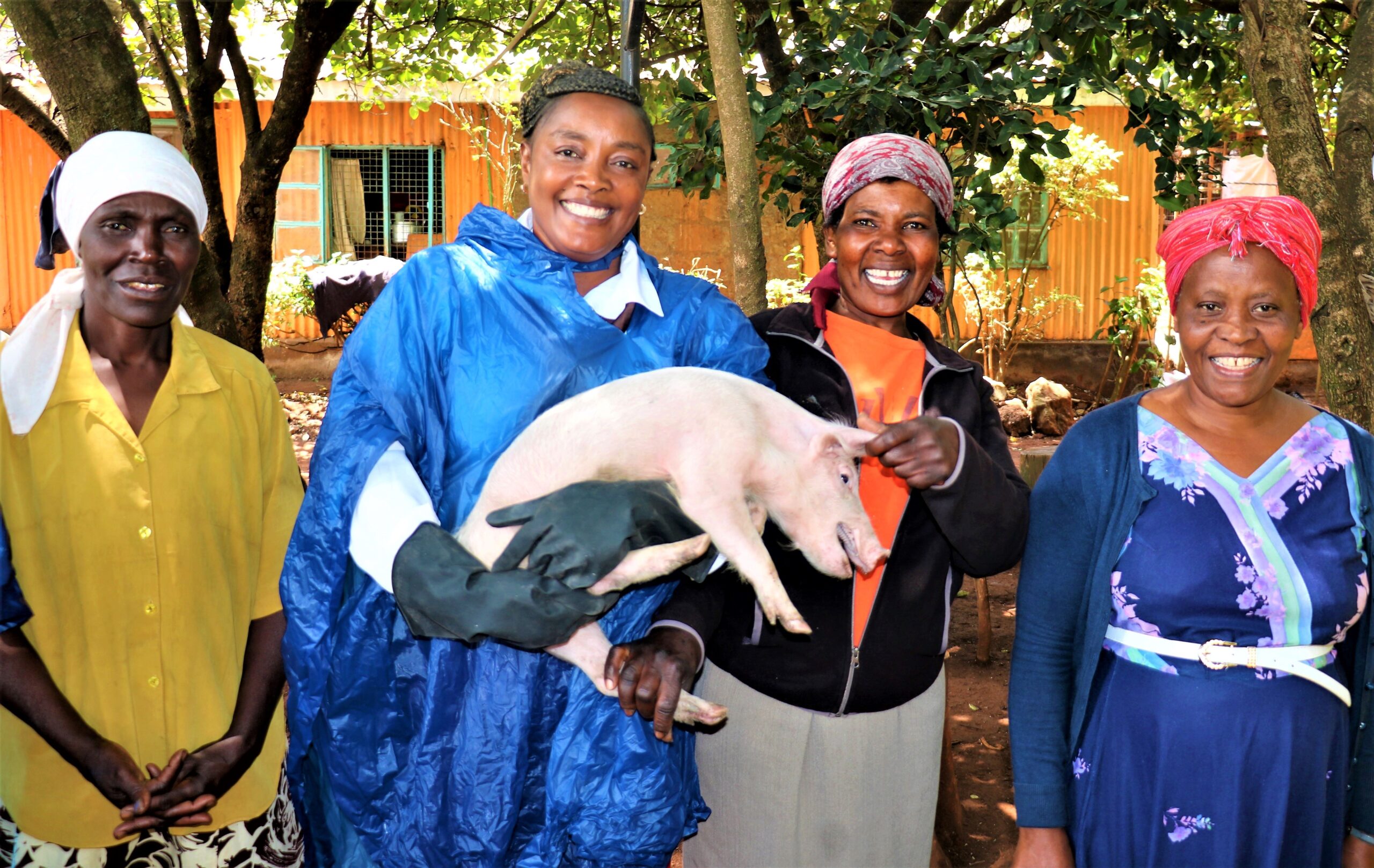 The Lives Of Kenyan Grandmas
 Their Key Lessons Of Life
Nutrition and Education Center for Children
Students spend the day at a nutrition and education centre serving vulnerable children aged 3 to 12 and supporting their families in a rural community on the outskirts of Nairobi.
Students assist with food preparation and help younger children during mealtimes, contributing to a program that feeds more than 240 children.
This final field experience brings together the week’s themes of service, dignity, sustainability and community impact.
Presentation of Certificates of Achievement
At the end of Day 5, students receive a Certificate of Achievement recognising their participation, learning and contribution.
A video and image collection will also be shared with students as a record of their experience and achievements, suitable for sharing with school communities and families.
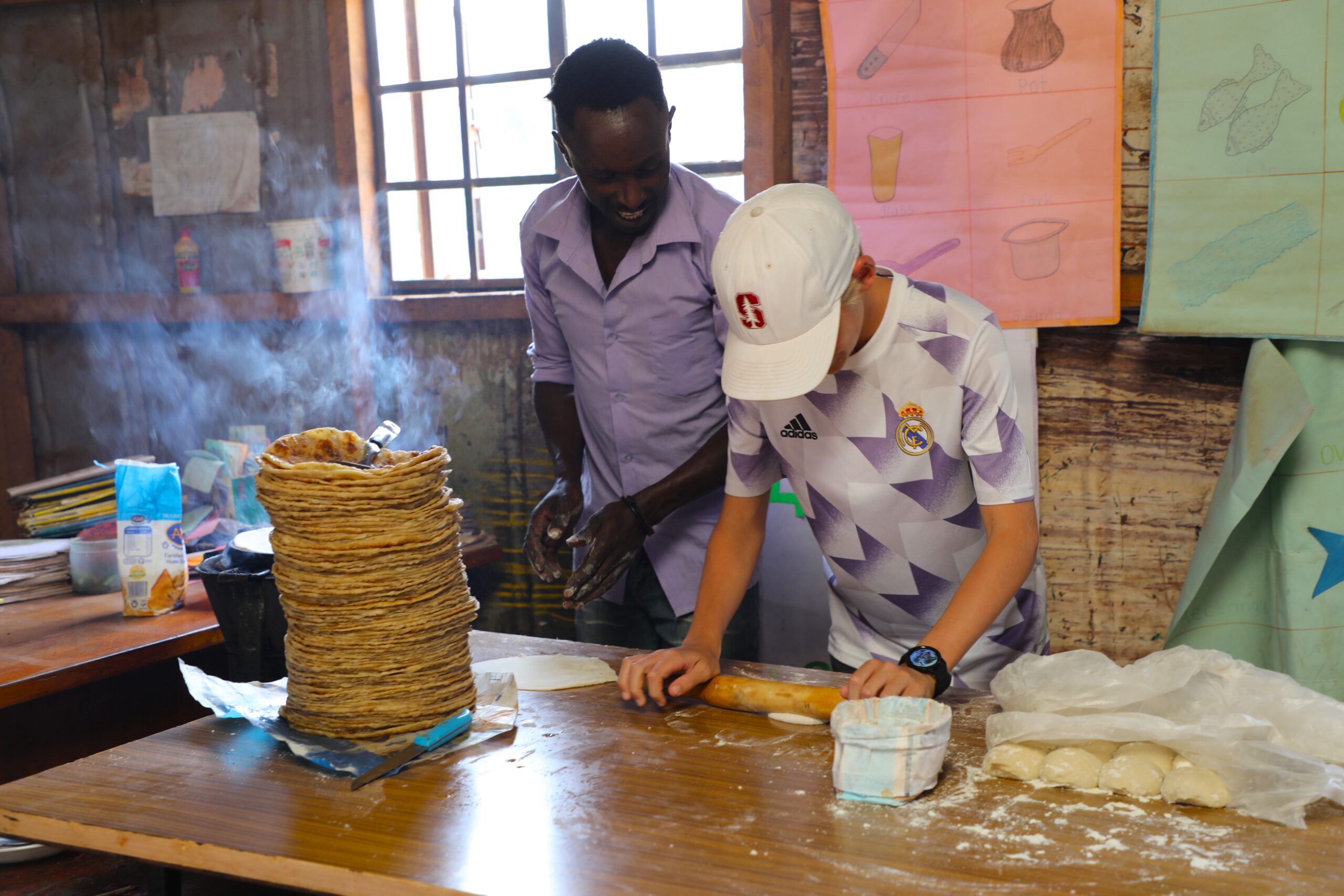 Helping And Learning
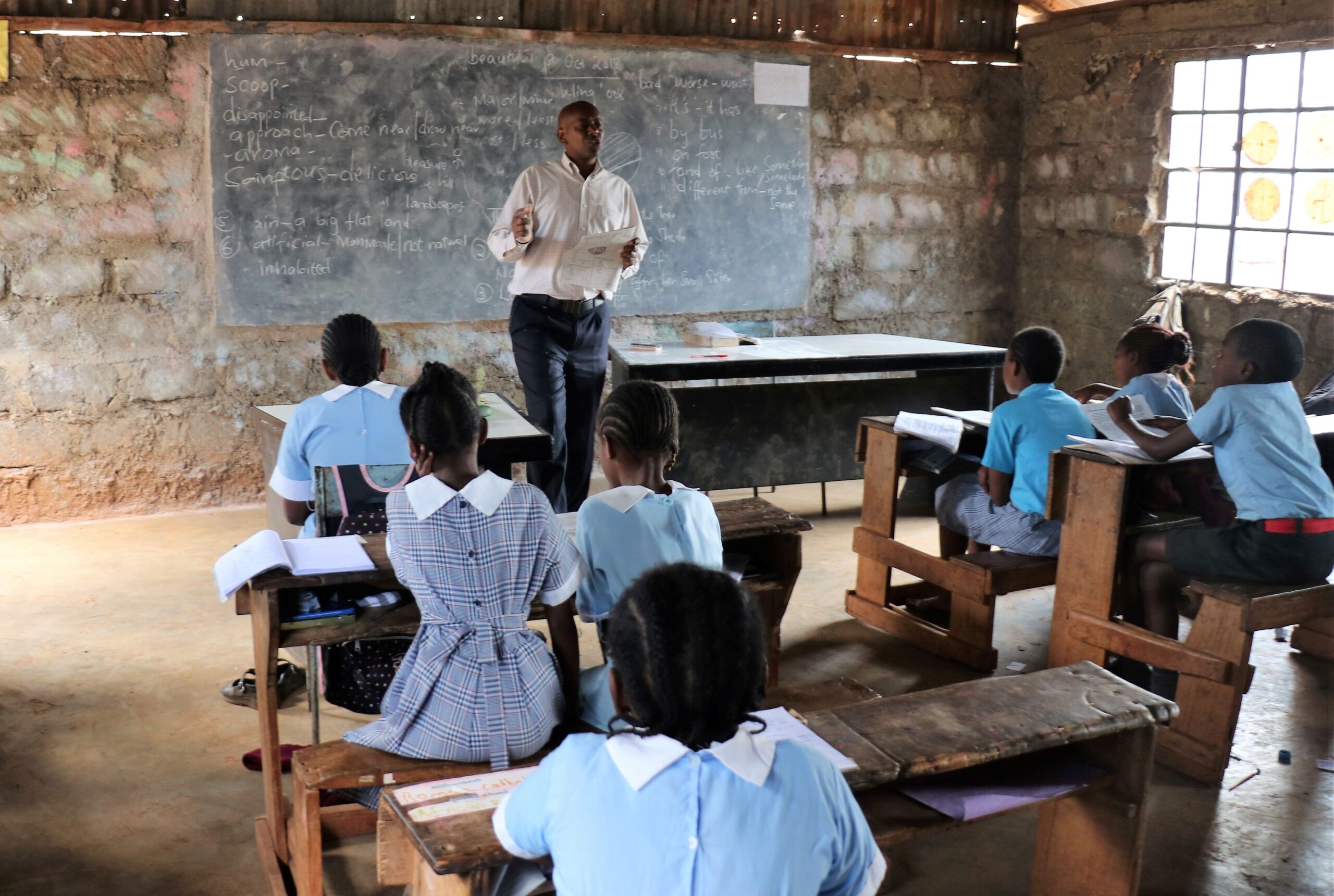 Supporting Children To Be Able To Attend School
Q1. Are students grouped according to age?
Answer: Yes. To ensure the program is age-appropriate, supportive and engaging, students participate in one of two groups:
Q2. Do students aged 14 to 17 years need to be accompanied by a teacher, parent or guardian?
Answer: Yes. As part of our duty of care, students aged 14 to 17 years must be accompanied by an adult nominated by the school or institution. In most cases, this is a teacher or school-appointed staff member who acts as the lead contact and supports the management of the student group throughout the program.
Q3. Do college and university students aged 18 to 23 years need to be accompanied by a teacher, parent or guardian?
Answer: No. College and university students are not required to be accompanied by a teacher, parent or guardian. However, One Horizon requires a nominated point of contact for the group to support communication, coordination and liaison throughout the program.
Q4. Where do students and accompanying staff stay during their program?
Answer: Students and accompanying staff stay in 4- to 5-star international hotel accommodation for the duration of the program. The first two days of the program are conducted at the hotel, providing a comfortable and well-supported environment for orientation, learning and preparation. Accommodation is arranged on a twin-share basis.
Q5. How are students transported to community visits and program activities?
Answer: Students are transported in private, air-conditioned vehicles operated by One Horizon. The facilitators delivering the program also accompany students during daily activities, providing continuity, guidance and supervision throughout the experience.
Q6. Can parents contact their child during the program?
Answer: Parent communication is managed in accordance with the policies of the participating school or institution. One Horizon also provides 24-hour contact details, including mobile numbers and email addresses, so students can be reached if required. Internet connectivity is available at program venues and in the vehicles used to transport students and staff.
Q7. What meals are provided during the five-day program?
Answer: One Horizon caters for a wide range of dietary requirements, including vegetarian, vegan and familiar Western-style meal options. Meals are prepared with fresh, healthy ingredients and are provided through the hotel where students and staff are staying. Evening meals also include selected well-regarded Nairobi restaurants, giving students an additional opportunity to experience the city in a safe and structured way.
Q8. Is travel and health insurance required?
Answer: Yes. Appropriate travel and health insurance is required for student participation in the program. Schools, institutions, parents and guardians should ensure that each participant has suitable coverage before travel.
Q9. Does One Horizon have public liability and professional indemnity insurance?
Answer: Yes. One Horizon maintains insurance coverage that includes public liability and professional indemnity insurance. Copies of relevant policy documentation can be provided upon request.
Q10. What distinguishes One Horizon and the Changing This World experience?
Answer: One Horizon is accredited by the Kenyan Government to work directly with Kenyan communities. It operates independently and does not receive financial or other support from the Kenyan Government. Its overriding mission is to provide practical pathways that help people lift themselves out of poverty. This purpose-led approach gives students meaningful insight into community development, resilience and sustainable change. One Horizon’s mission and work are captured in the video ‘What We Do’.

 One Horizon Africa
 @onehorizonkenya
 onehorizonkenya