-
×
Amazing Egypt & Incredible Kenya
- Booking Details :
-
-
Travel Date :
September 4, 2026
-
Subtotal: $0.01
Amazing Egypt & Incredible Kenya
September 4, 2026
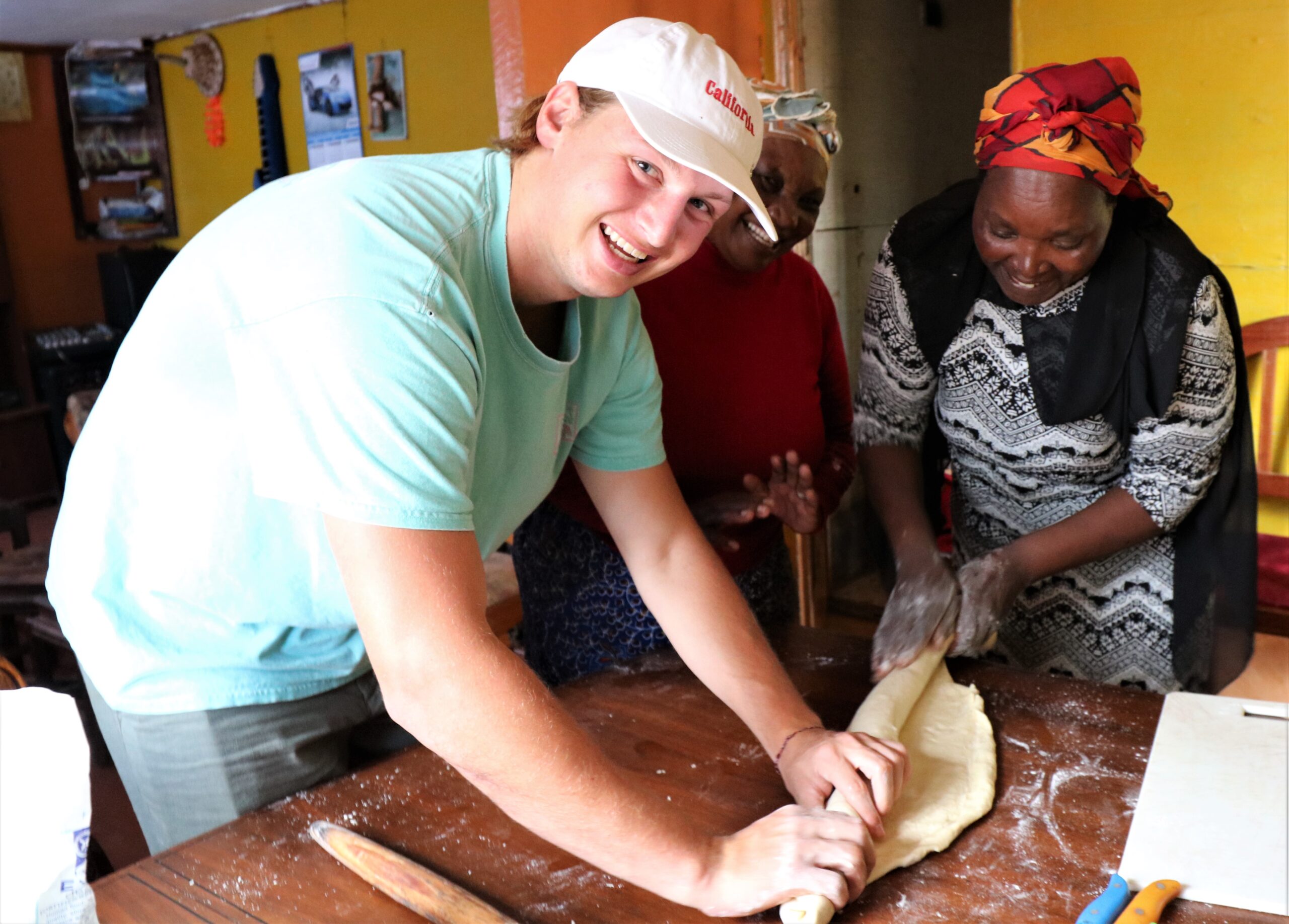
Discover Kenyan hospitality through food, family, and heartfelt welcome.
This one-day program uses food as an entry point into Kenyan culture, family life, agriculture, energy use, and hospitality. Students visit Mama Carole’s home on the outskirts of Nairobi and learn through cooking, conversation, observation, and hands-on participation.
For schools, the program offers strong connections to world cultures, culinary traditions, nutrition, environmental studies, comparative family life, and sustainability. Students experience how everyday meals carry history, identity, resourcefulness, and community values.
The day is structured to be engaging and accessible for students, with clear opportunities for questions, practical skills, sensory learning, and reflection on how food connects people across cultures.
A warm, hands-on cultural learning day that turns a Kenyan kitchen into a living classroom.
Student Outcomes
Curriculum Connections
Lunch is cooked using a traditional three-stone fire, giving students a direct comparison between cooking methods, fuel sources, and household energy use. Music and conversation are woven through the day, creating a memorable experience that students can later analyze through writing, discussion, presentations, or reflection journals.

Cooking And Culture Is More Than You Can Imagine

There Are Also Stories, Singing And Dancing!

Its Great Fun And Also Very Moving

And Plenty Of Cooks!

A 3 Stone Fire Is The Kitchen!

And Rolling Chapatis, A Flat Bread Is A Kenyan Delight

"I have been to Africa many times, and this was the first time I left feeling as though I’d truly got an insight into the lives of those who live there. Each project I visited showed me another side of life, the days were very well organised, and everyone at One Horizon and those who are part of the programs made me feel so welcome and looked after. The One Horizon team also went above and beyond to help me sort out matters that arose outside of their tours, their kindness and flexibility made a huge difference. Thank you for the work you do, for your love and care for those around you and for 3 magical days in Kenya."
Students are picked up by One Horizon and travel a short distance to the rural outskirts of Nairobi. The drive provides a useful transition from the city to a quieter rural setting and allows teachers to frame discussion around urban growth, infrastructure, and rural life in contemporary Kenya.
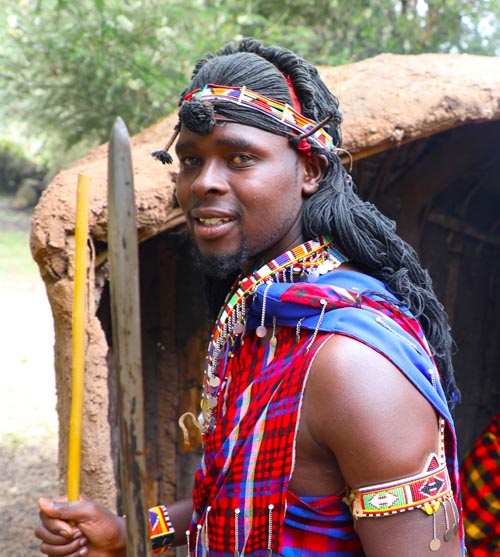
On arrival, students are welcomed by Mama Carole and her family through music, greeting, and hospitality. This opening helps students understand welcome customs and sets a respectful tone for the day.
Students learn how to prepare chapati, a much-loved Kenyan flatbread, and discuss when and why particular foods are prepared in Kenyan families. They also learn about biogas as a practical household energy source connected to farm life and sustainability.
Students enjoy tea, coffee, and chapati while Mama Carole shares aspects of her life story, family experience, and the choices that have shaped her household. The conversation gives students an age-appropriate window into everyday Kenyan life from a personal perspective.
The group then helps prepare a fresh Kenyan vegetable stew using produce from the farm garden. Teachers can connect this activity to lessons on nutrition, local food systems, agriculture, sustainability, and how recipes preserve cultural knowledge.
Lunch is cooked using a traditional three-stone fire, giving students a direct comparison between cooking methods, fuel sources, and household energy use. Music and conversation are woven through the day, creating a memorable experience that students can later analyze through writing, discussion, presentations, or reflection journals.
Q1. Are students grouped according to age?
Answer: Yes. To ensure the program is age-appropriate, supportive and engaging, students participate in one of two groups:
Q2. Do students aged 14 to 17 years need to be accompanied by a teacher, parent or guardian?
Answer: Yes. As part of our duty of care, students aged 14 to 17 years must be accompanied by an adult nominated by the school or institution. In most cases, this is a teacher or school-appointed staff member who acts as the lead contact and supports the management of the student group throughout the program.
Q3. Do college and university students aged 18 to 23 years need to be accompanied by a teacher, parent or guardian?
Answer: No. College and university students are not required to be accompanied by a teacher, parent or guardian. However, One Horizon requires a nominated point of contact for the group to support communication, coordination and liaison throughout the program.
Q4. Where do students and accompanying staff stay during the Changing This World program?
Answer: Students and accompanying staff stay in 4- to 5-star international hotel accommodation for the duration of the program. The first two days of the program are conducted at the hotel, providing a comfortable and well-supported environment for orientation, learning and preparation. Accommodation is arranged on a twin-share basis.
Q5. How are students transported to community visits and program activities?
Answer: Students are transported in private, air-conditioned vehicles operated by One Horizon. The facilitators delivering the program also accompany students during daily activities, providing continuity, guidance and supervision throughout the experience.
Q6. Can parents contact their child during the program?
Answer: Parent communication is managed in accordance with the policies of the participating school or institution. One Horizon also provides 24-hour contact details, including mobile numbers and email addresses, so students can be reached if required. Internet connectivity is available at program venues and in the vehicles used to transport students and staff.
Q7. What meals are provided during the five-day program?
Answer: One Horizon caters for a wide range of dietary requirements, including vegetarian, vegan and familiar Western-style meal options. Meals are prepared with fresh, healthy ingredients and are provided through the hotel where students and staff are staying. Evening meals also include selected well-regarded Nairobi restaurants, giving students an additional opportunity to experience the city in a safe and structured way.
Q8. Is travel and health insurance required?
Answer: Yes. Appropriate travel and health insurance is required for student participation in the program. Schools, institutions, parents and guardians should ensure that each participant has suitable coverage before travel.
Q9. Does One Horizon have public liability and professional indemnity insurance?
Answer: Yes. One Horizon maintains insurance coverage that includes public liability and professional indemnity insurance. Copies of relevant policy documentation can be provided upon request.
Q10. What distinguishes One Horizon and the Changing This World experience?
Answer: One Horizon is accredited by the Kenyan Government to work directly with Kenyan communities. It operates independently and does not receive financial or other support from the Kenyan Government. Its overriding mission is to provide practical pathways that help people lift themselves out of poverty. This purpose-led approach gives students meaningful insight into community development, resilience and sustainable change. One Horizon’s mission and work are captured in the video ‘What We Do’.

 One Horizon Africa
 @onehorizonkenya
 onehorizonkenya