Educational: Community, Wildlife & Coast (11 Days)
(Educational Student Tours)
Overview
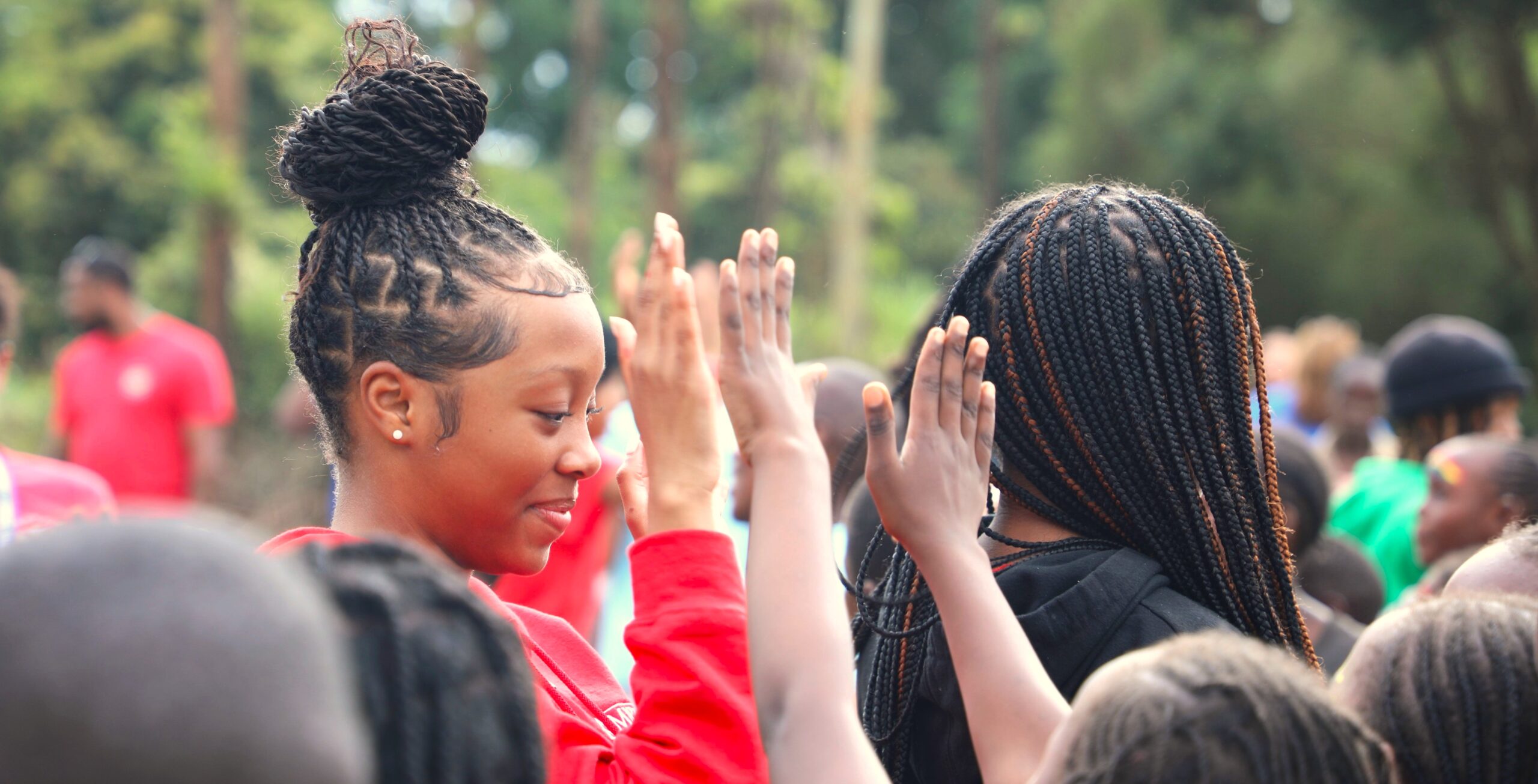
This 11-day, 10-night educational journey has been designed for schools, colleges, universities, and educator-led groups seeking a meaningful overseas learning experience. Combining community engagement in and around Nairobi, an immersive wildlife safari in the Maasai Mara, and a restorative coastal stay in Diani, the programme offers students and educators an inspiring balance of service learning, cultural exchange, environmental awareness, and reflection.
People, Community & Purpose
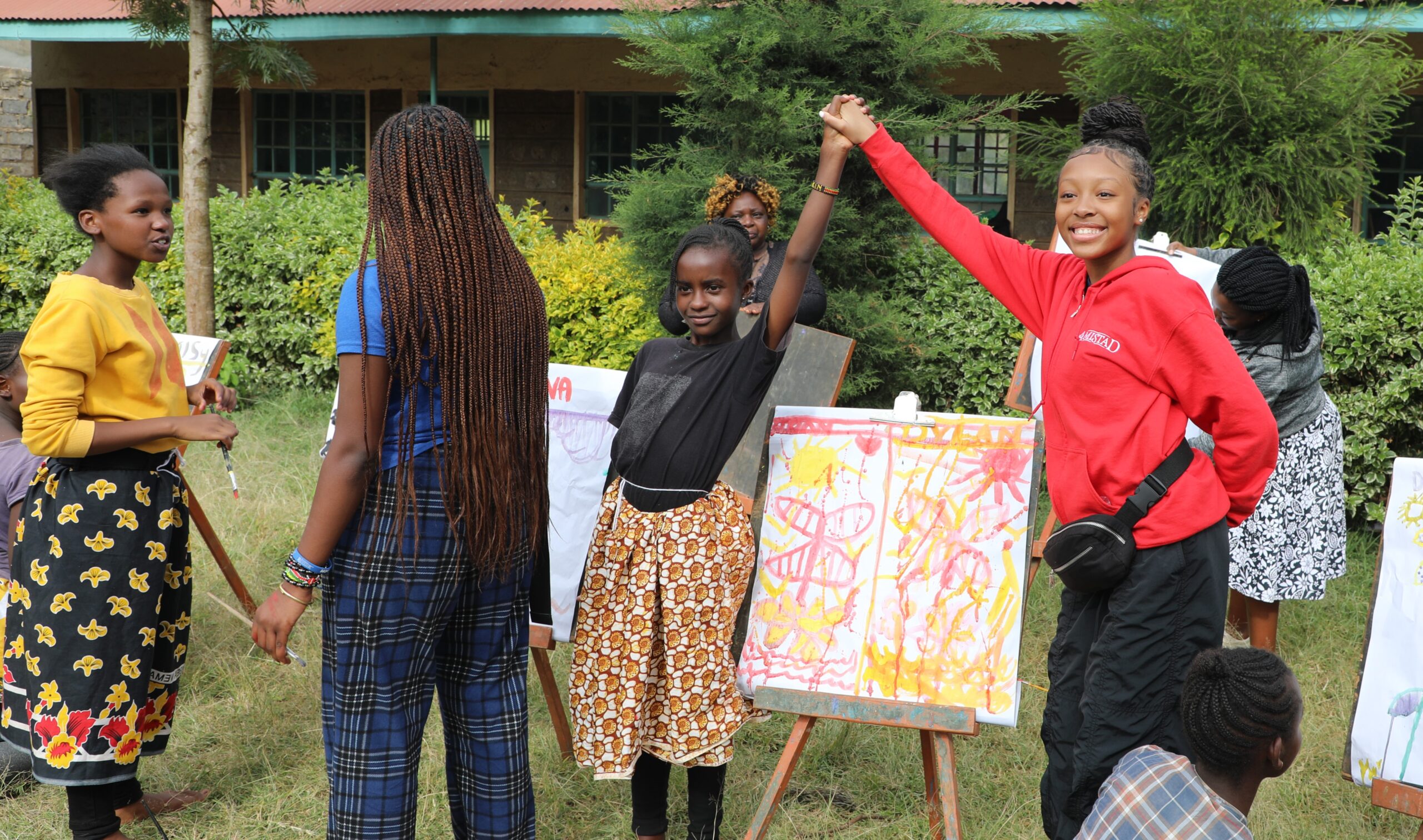
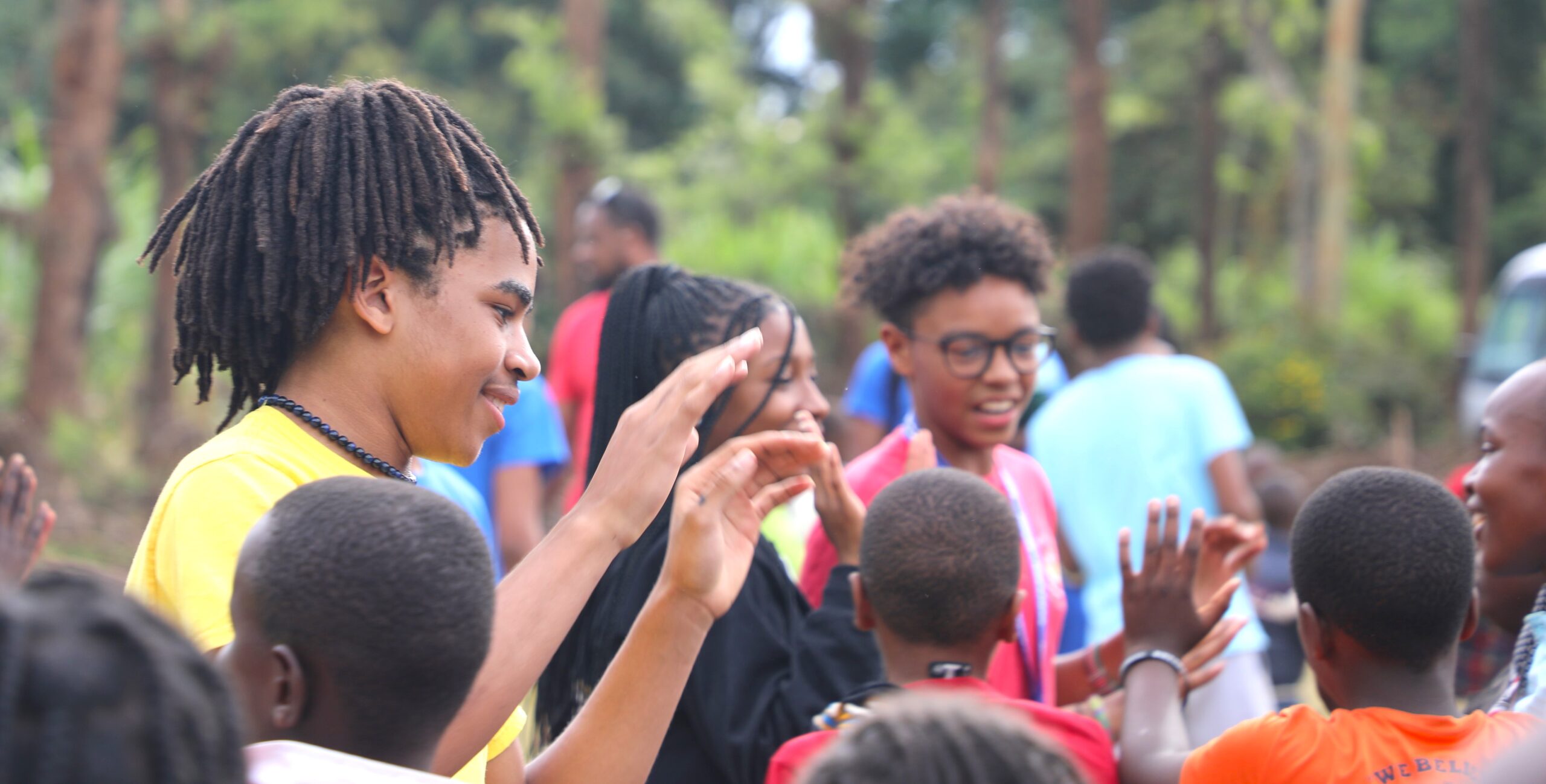
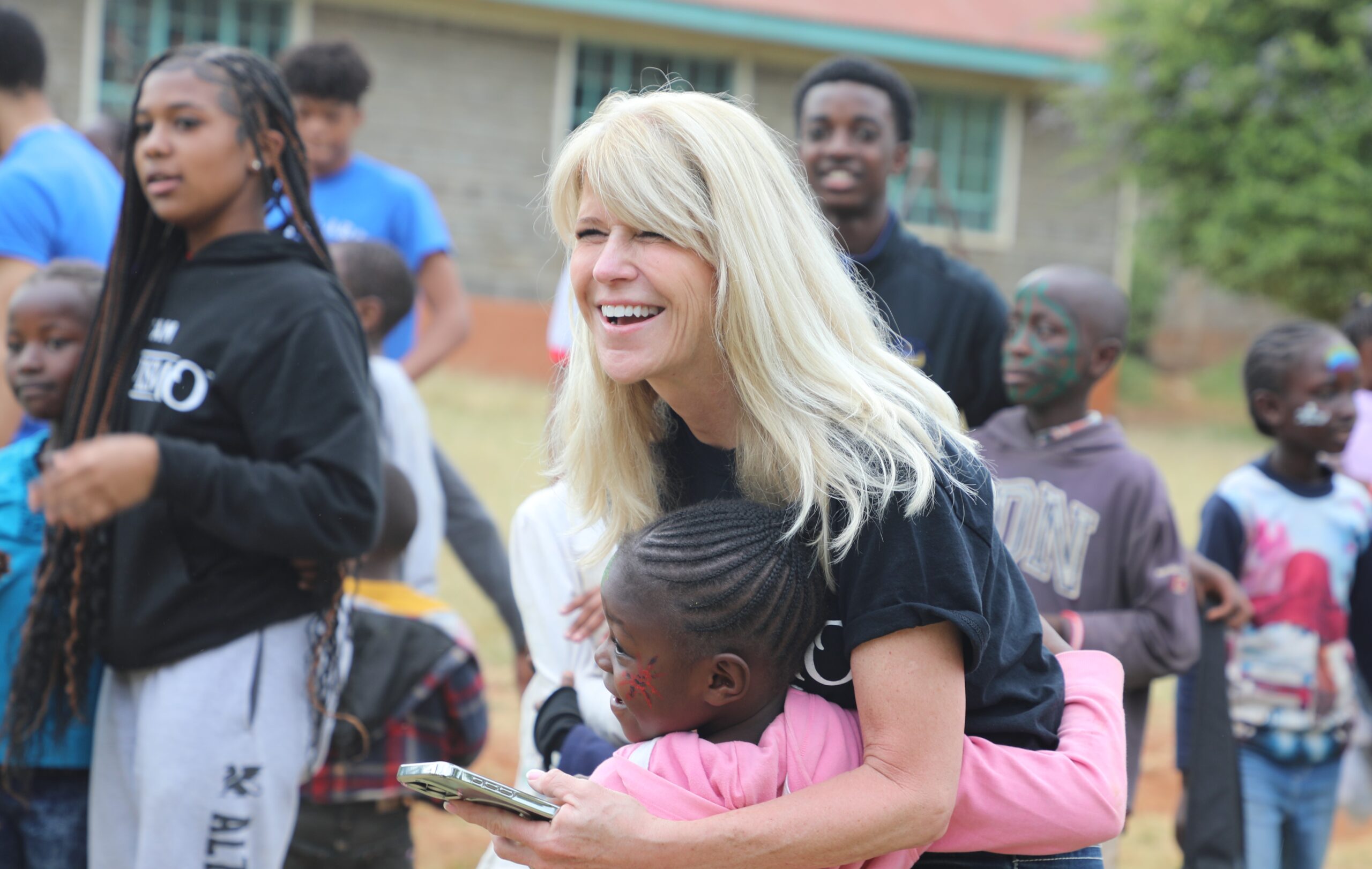
This four-day community programme introduces participants to grassroots Kenyan initiatives that create rich opportunities for experiential learning. Through carefully facilitated visits, educators and students gain insight into social responsibility, resilience, enterprise, food security, gender empowerment, and community-led development. Experiences may include supporting a community soup kitchen, meeting women undertaking vocational and entrepreneurial training, engaging with Kenyan grandmothers whose small businesses are transforming family futures, and spending time with a Maasai community to learn about cultural continuity, identity, and intergenerational knowledge.
The Maasai Mara Safari Experience
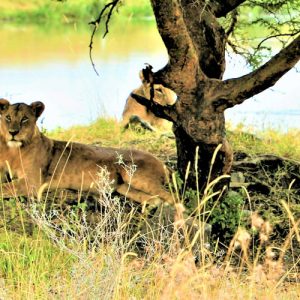
From Nairobi, the group travels to the Maasai Mara, one of Africa’s most celebrated wildlife areas and an exceptional outdoor classroom. Across four days, participants explore the reserve’s savannah ecosystems, observing wildlife such as lion, cheetah, elephant, zebra, hippo, and numerous bird species. Guided game drives provide valuable context for discussions around conservation, biodiversity, land use, tourism, and the relationship between people and protected landscapes. For educators, the Mara offers powerful curriculum links across geography, biology, environmental science, global citizenship, and sustainability.
Diani and the South Coast
After an enriching programme of community and wildlife learning, the journey concludes on Kenya’s south coast at Diani. This final stage offers time for rest, reflection, and group consolidation in a setting known for its coral reefs, coastal ecosystems, black-and-white colobus monkeys, and proximity to Shimba Hills National Reserve. Located approximately 30 kilometres south of Mombasa, Diani provides a relaxed environment in which participants can reflect on their learning and prepare to translate their experiences into classroom discussion, student projects, or future global learning initiatives.
Expected Outcomes for Students
By the end of the 11-day Community, Wildlife & Coast programme, students will have gained first-hand insight into community life, wildlife conservation and coastal ecosystems, helping them connect classroom learning with real-world experiences.
- Develop global awareness: Build a deeper understanding of local communities, cultures and daily life.
- Understand conservation: Learn how wildlife, habitats and coastal environments are protected in real-world settings.
- Connect learning to experience: Relate science, geography, social studies and environmental learning to what they see and do each day.
- Grow confidence and independence: Strengthen teamwork, curiosity, reflection and personal responsibility through travel.
- Become responsible global citizens: Explore how their choices can support sustainability, respect and positive community impact.
Students will return with memorable experiences, stronger cultural and environmental understanding, and a clearer sense of their role in the wider world.
Gallery
-
Learning Together
-
Life Lessons
-
Reaching Out In Friendship
-
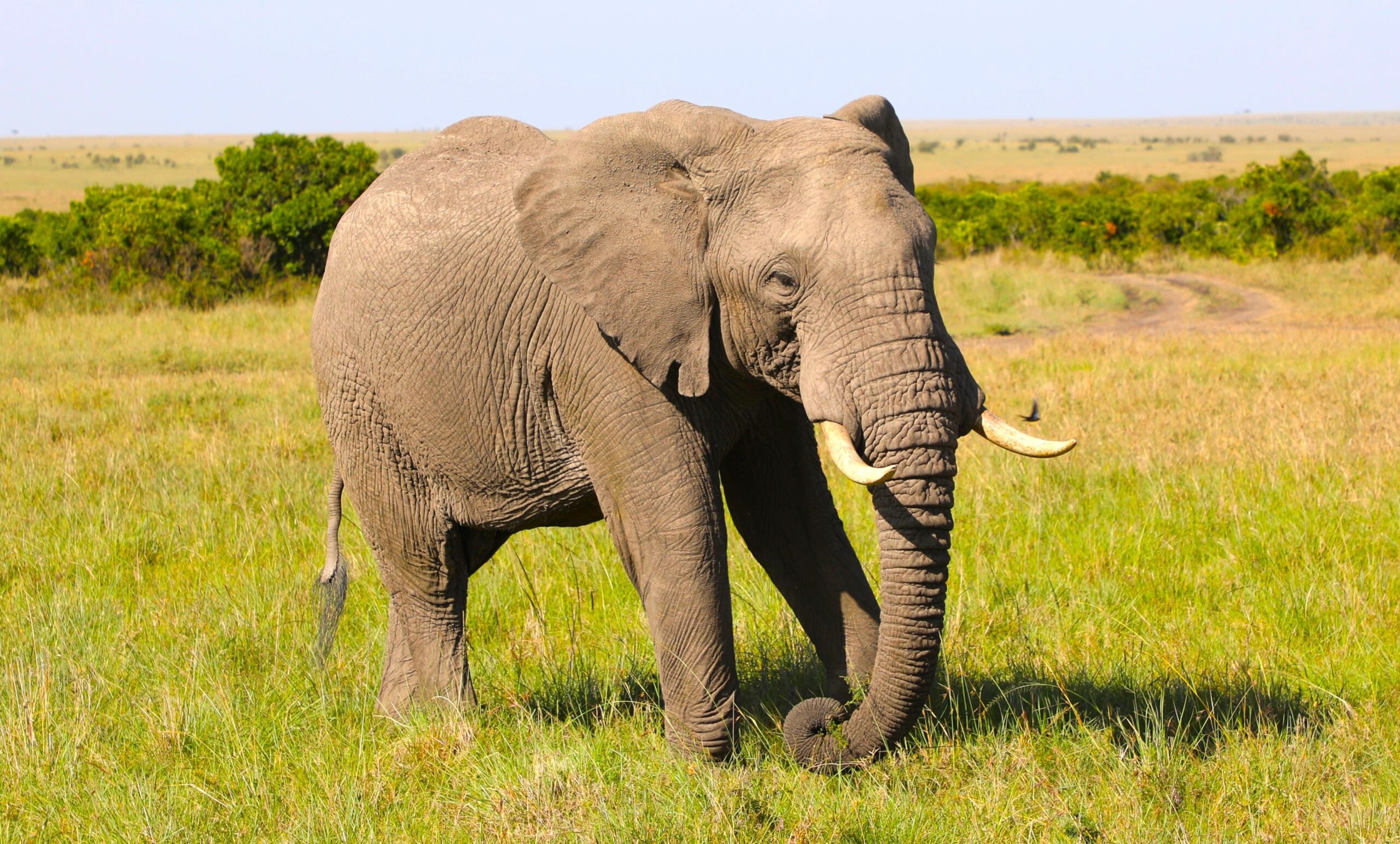
Elephants Abound
-

The Masai Mara
-
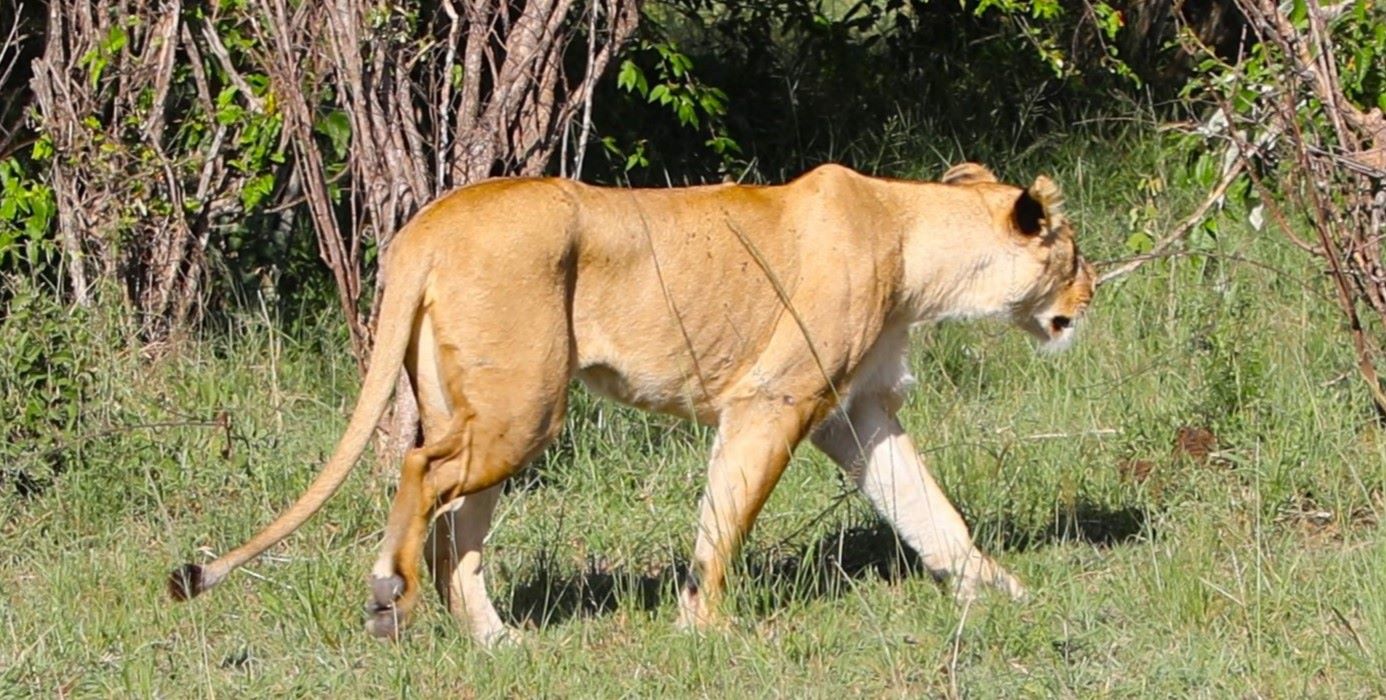
And Lions Quietly Stalk
-
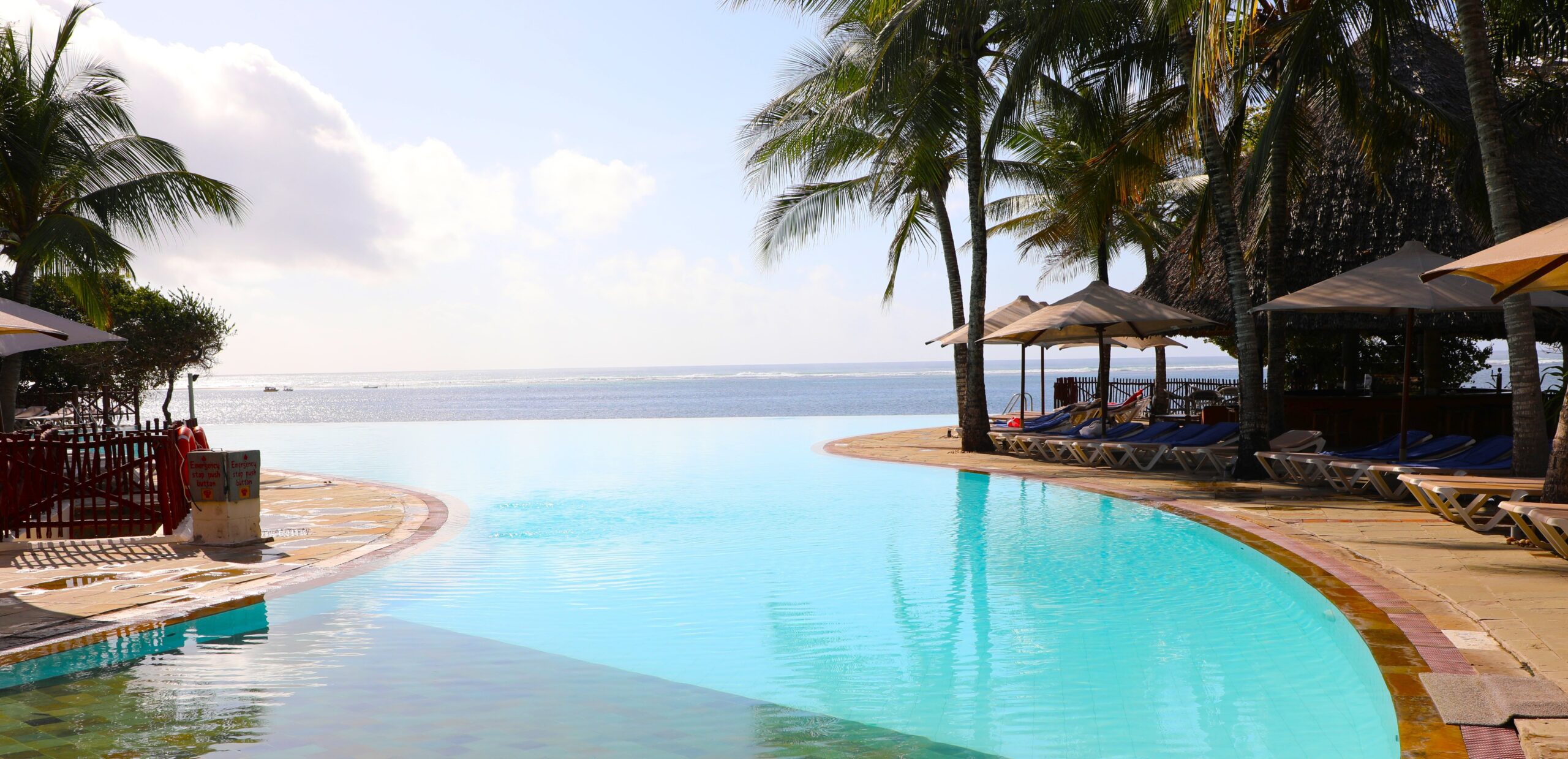
Another Pool And Place To Play
-
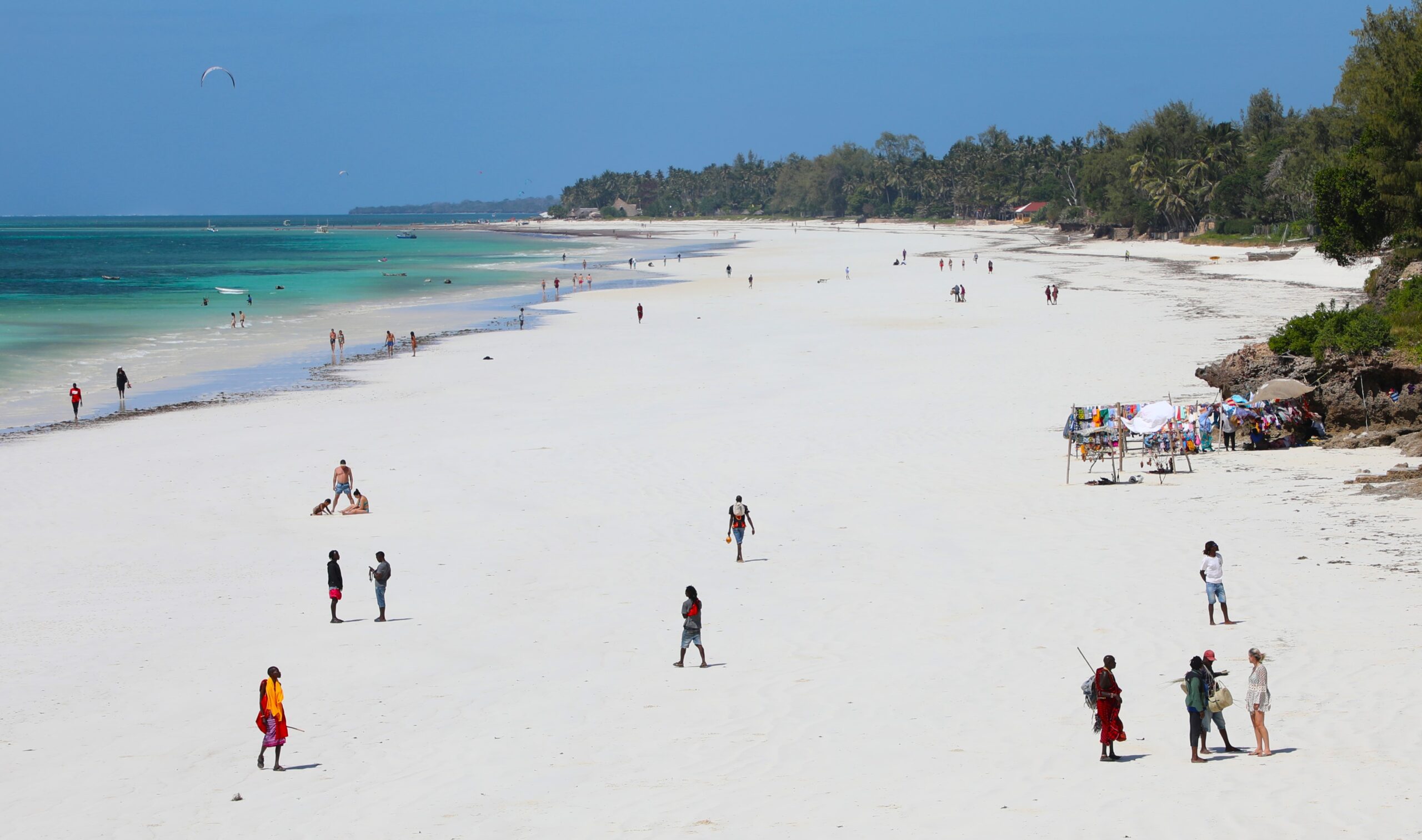
The Magnificent Diani Beach
-
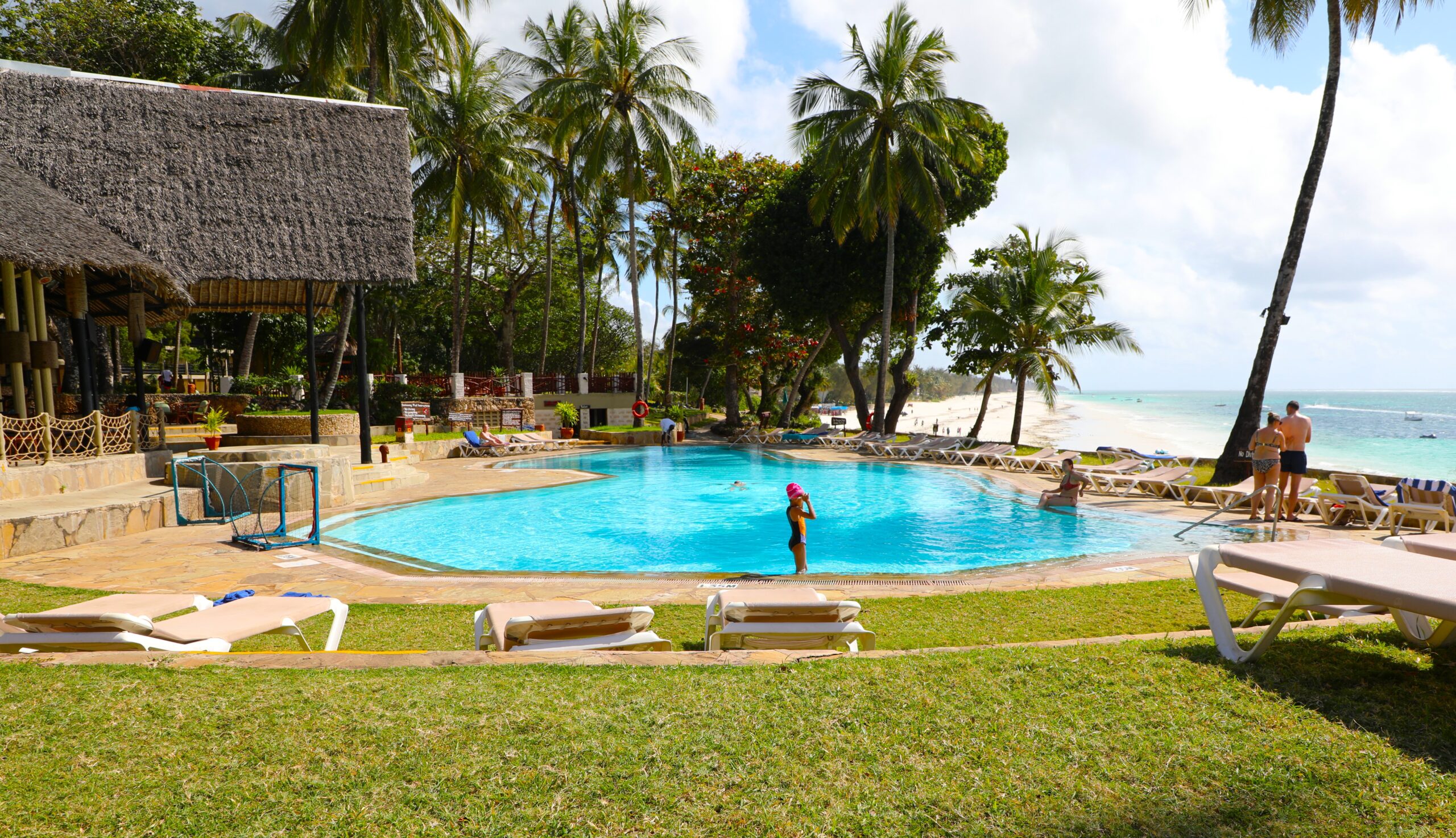
Diani Baobab Has 4 Pools

Itinerary
Four days of social purpose and community-based learning
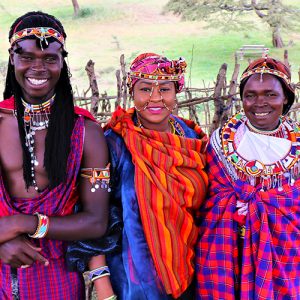
Maasai life: culture, identity, and intergenerational learning
The programme begins in and around Nairobi with a four-day community learning experience led by One Horizon. This opening section introduces participants to grassroots initiatives that provide rich opportunities for service learning, cultural exchange, and reflection.
The group travels into rural Maasai country to meet a host family and learn about daily life, community roles, cultural traditions, and the ways in which knowledge is passed between generations.
Your host will be one of the village elders, an heir to his clan, and the visit provides a respectful introduction to family life, community identity, and the continued importance of Maasai traditions.
Participants learn about traditional rites of passage and the structure of Maasai family life, encouraging thoughtful comparison between different ways of living, learning, and belonging.
This is a memorable day of cultural learning, encouraging respectful curiosity, listening, and discussion around identity, tradition, and intergenerational knowledge.
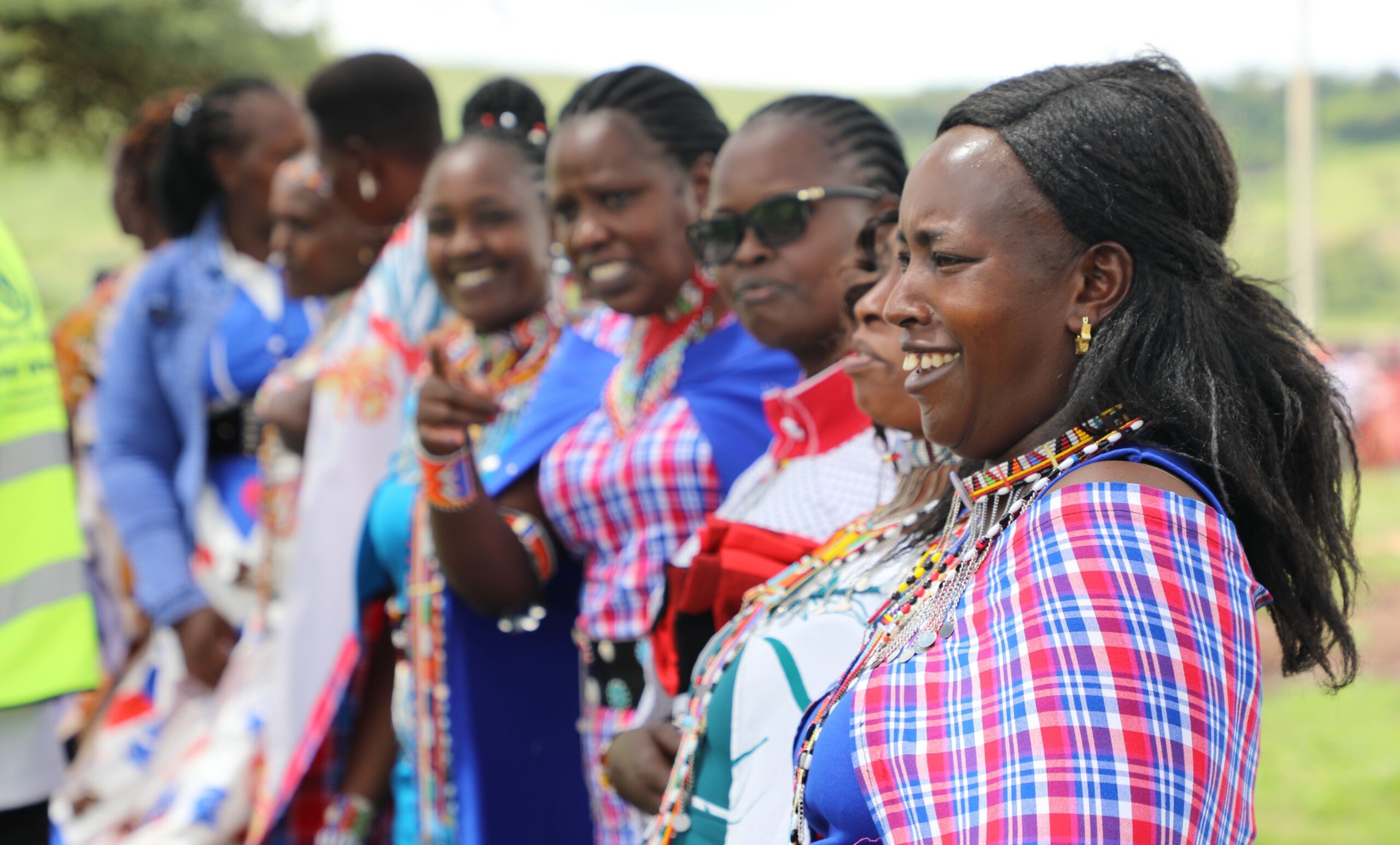 Cultural Experiences Like No Other
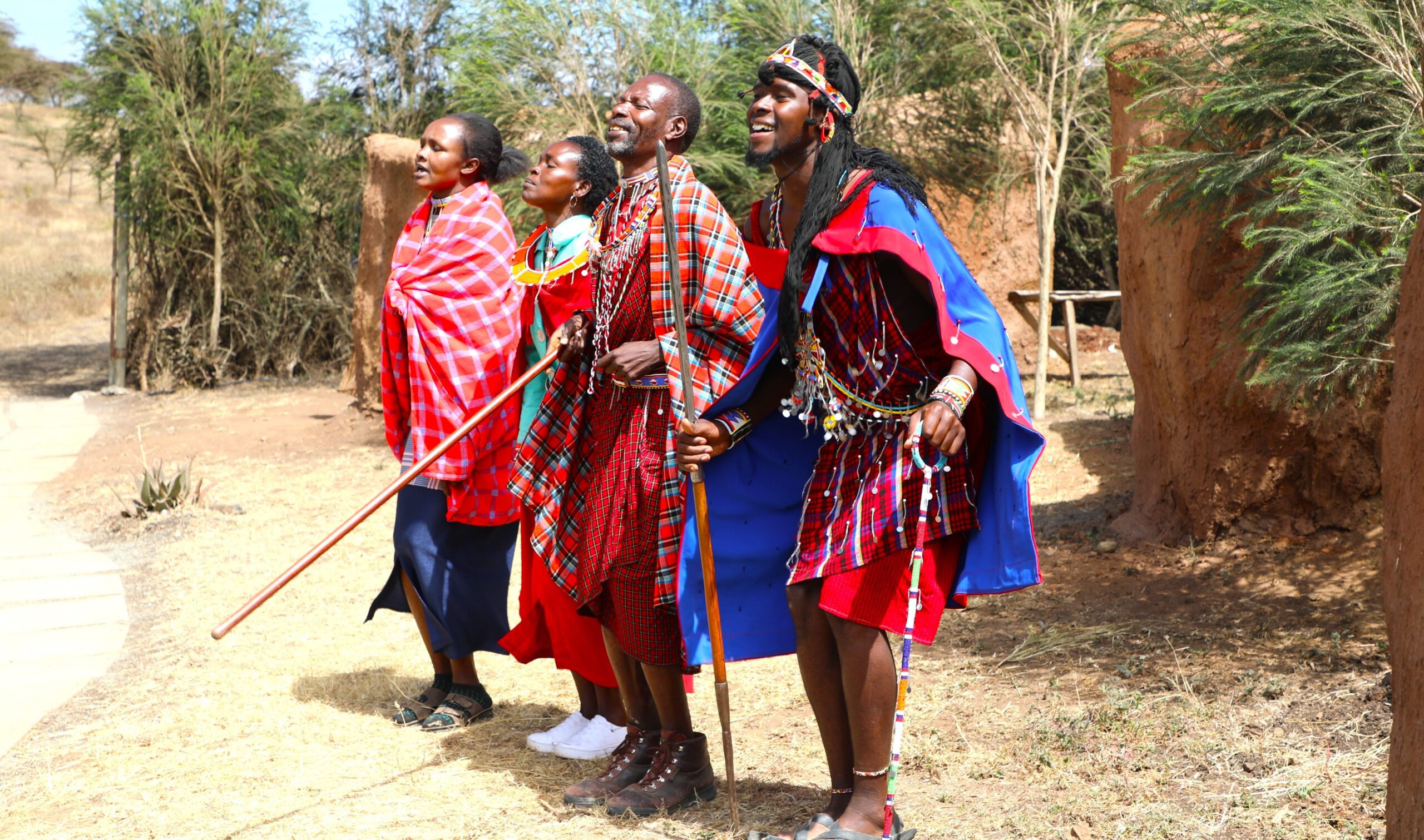 A Maasai Welcome
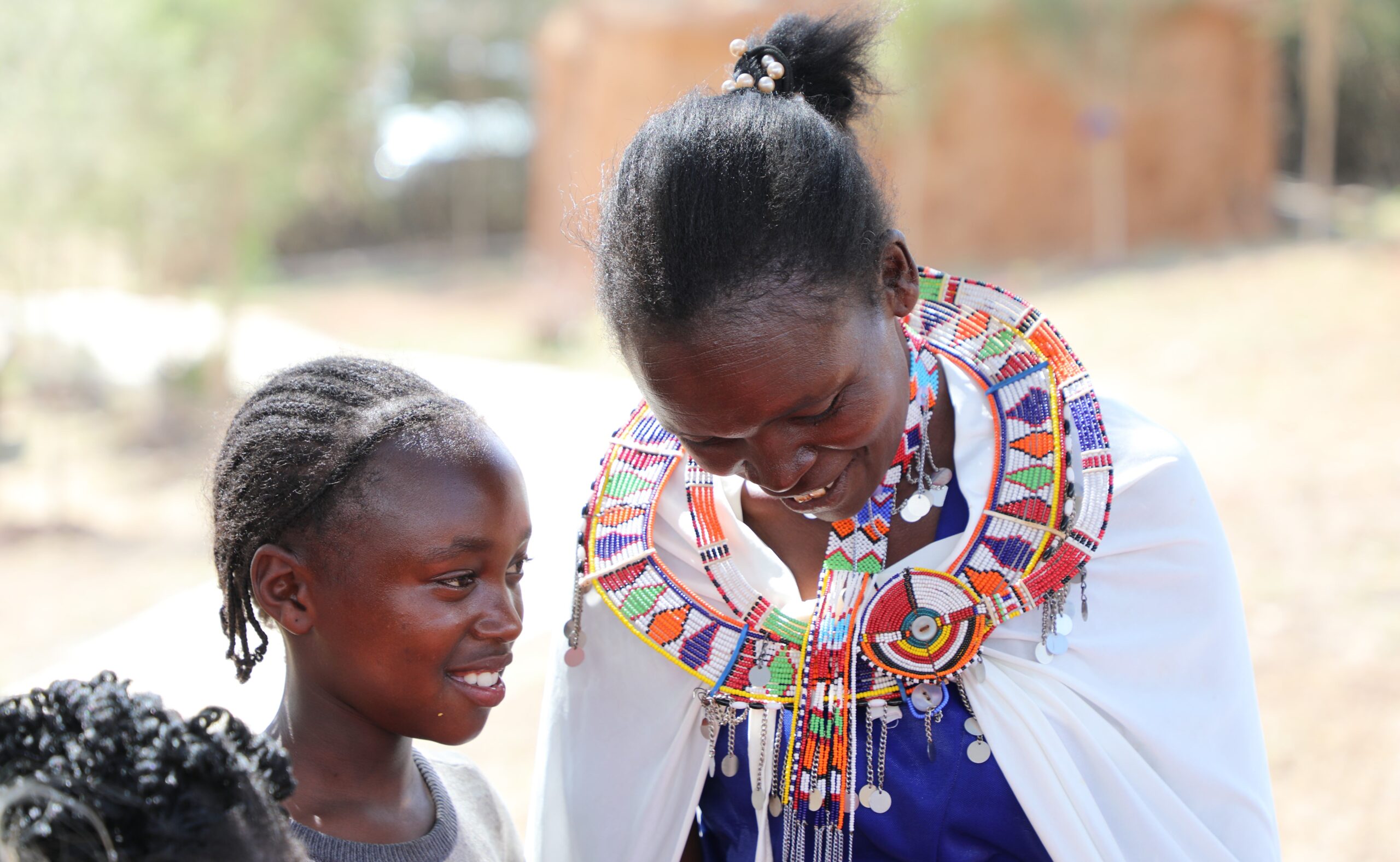 Meeting Family Members
Grandmothers, enterprise, and community resilience
Participants visit a local community to meet entrepreneurial Kenyan grandmothers who play a vital role in caring for their families and supporting the next generation.
The visit includes time at a grandmother’s pig farm, where students can see how small-scale enterprise can create income, dignity, and stability.
Through conversation, shared stories, and warm community interaction, the group explores themes of poverty reduction, family responsibility, resilience, and sustainable livelihoods.
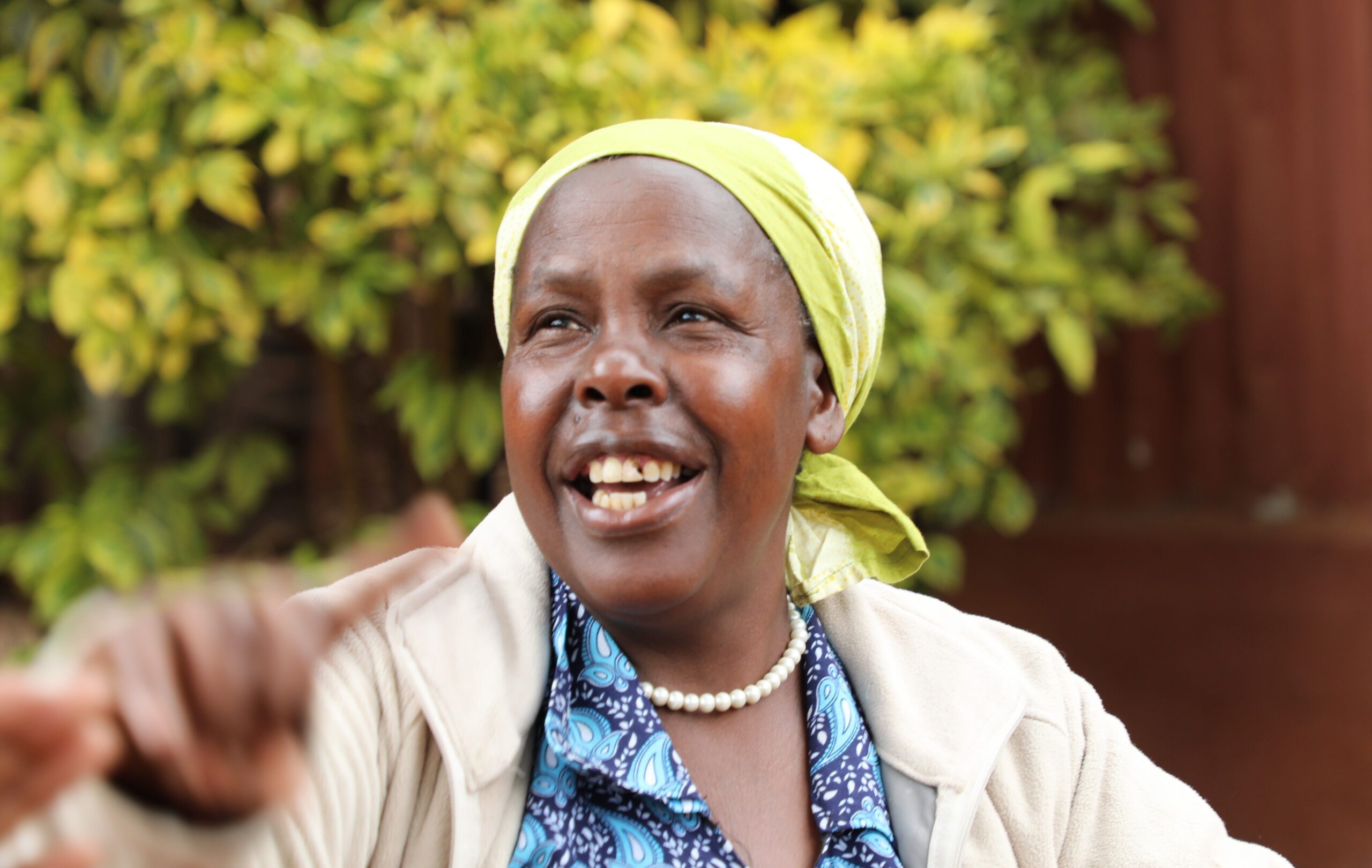 Meeting Grandmas In Their Village
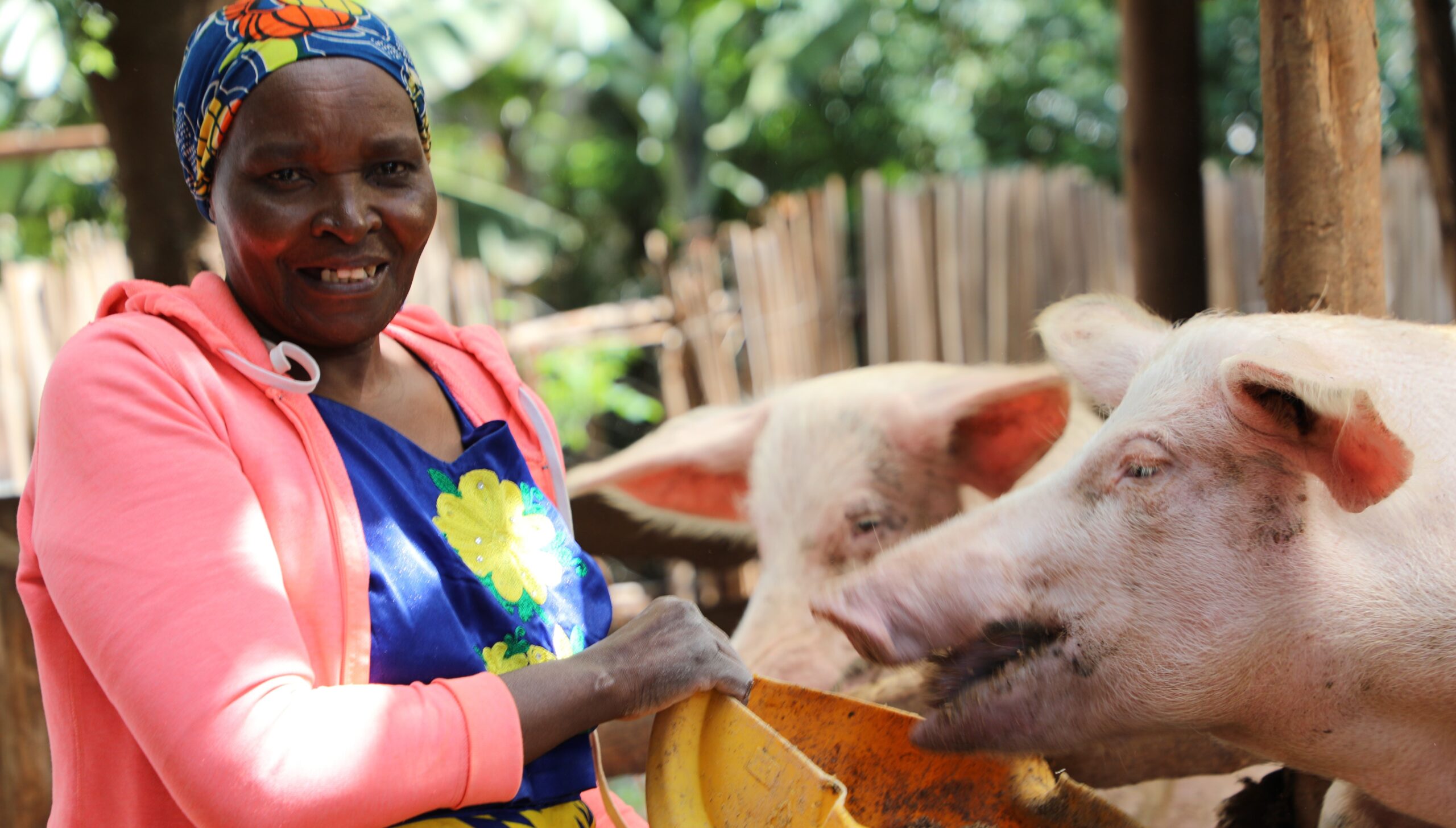 Grandmas Learning New Skills
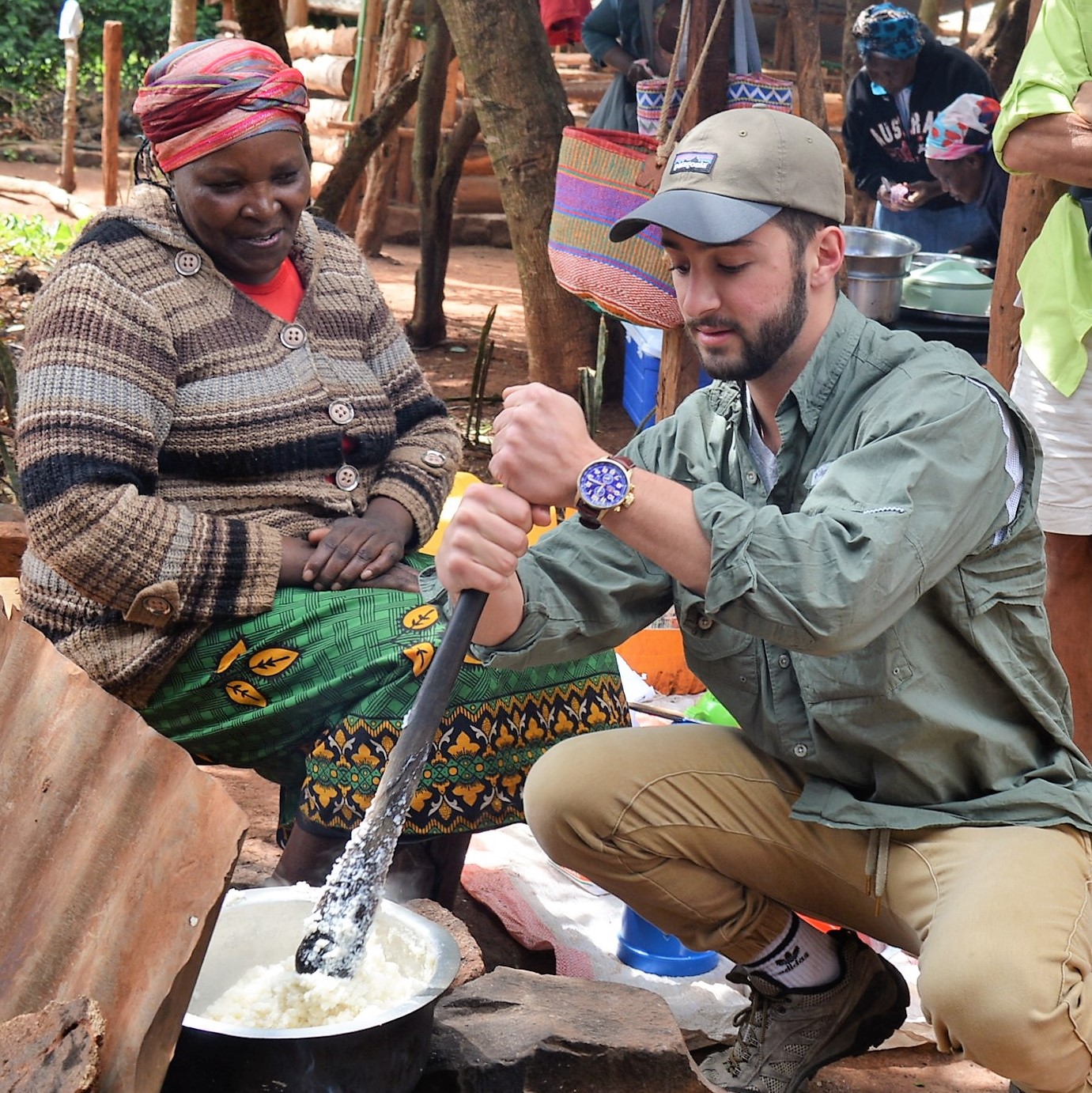 And Students Learn New Skills As Well
Service learning at a community soup kitchen
This day gives participants the opportunity to engage directly with a community initiative supporting vulnerable children and families.
The experience is framed as service learning, combining practical contribution with reflection on social inequality, food security, and community care.
At a children’s centre on the outskirts of Nairobi, the group may assist with preparing and serving meals while learning how local partnerships help address everyday challenges.
For educators, the visit provides a meaningful platform for discussion around citizenship, ethics, empathy, and responsible volunteering.
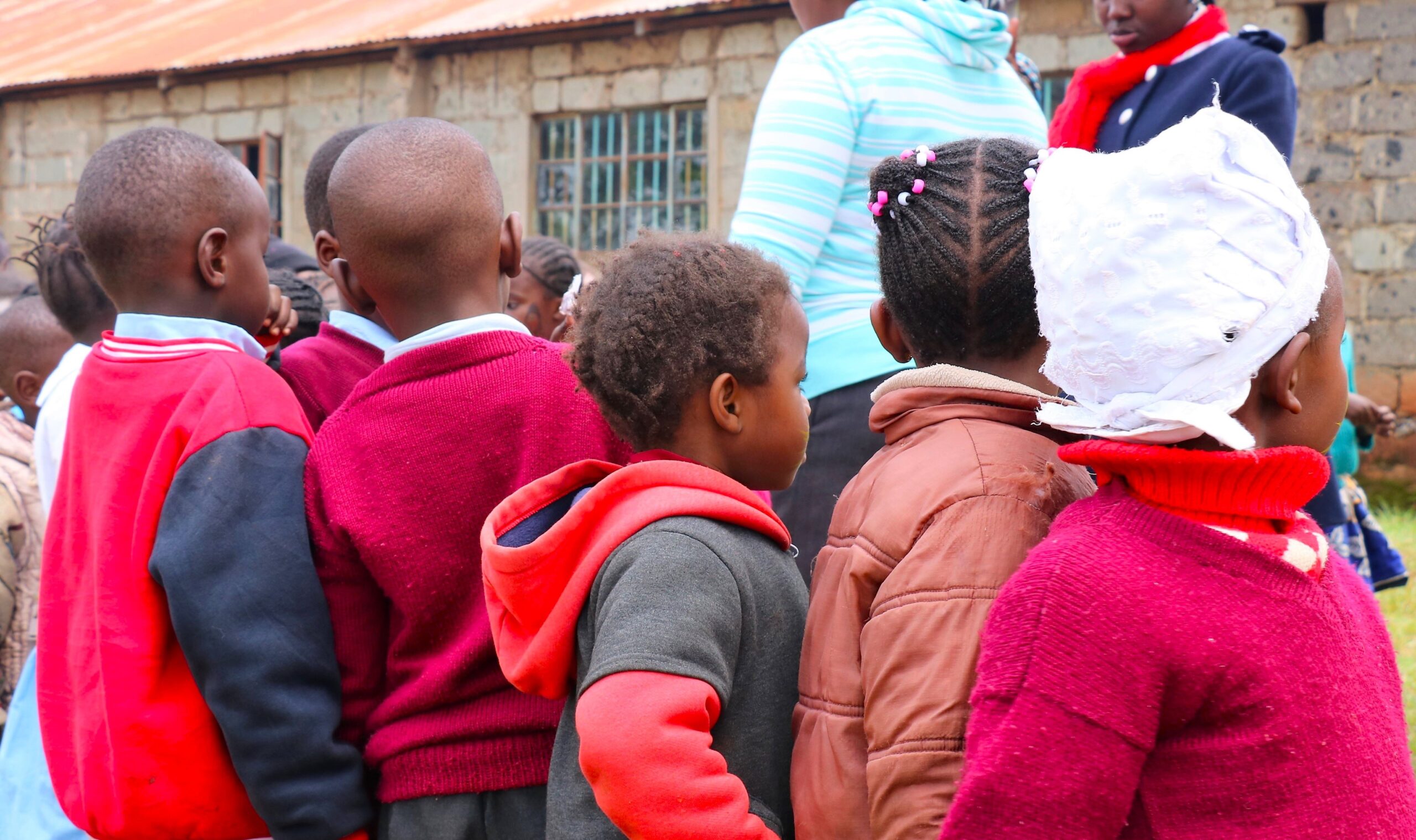 Students Helping To Cook And Serve
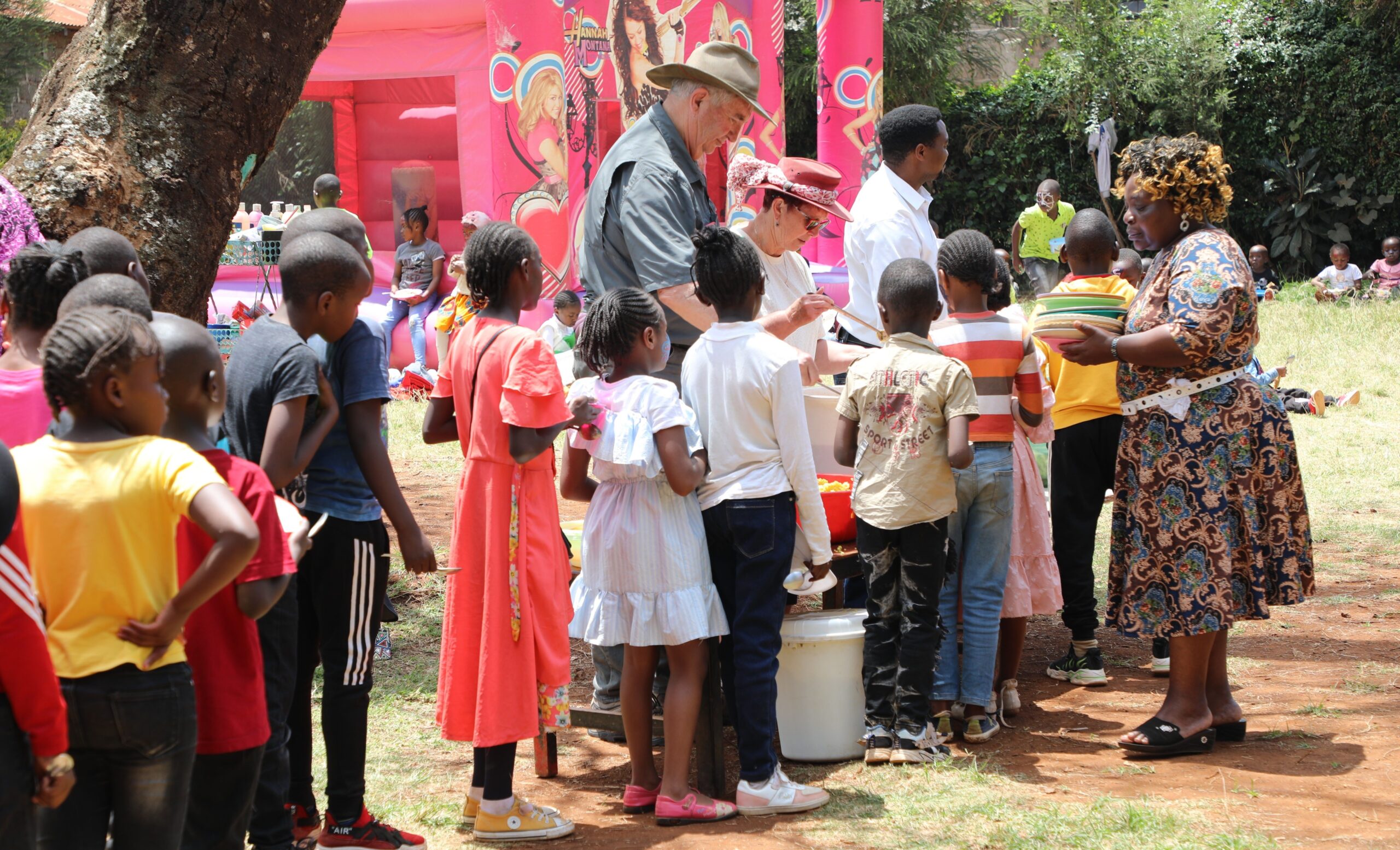 Working Together To Improve Lives
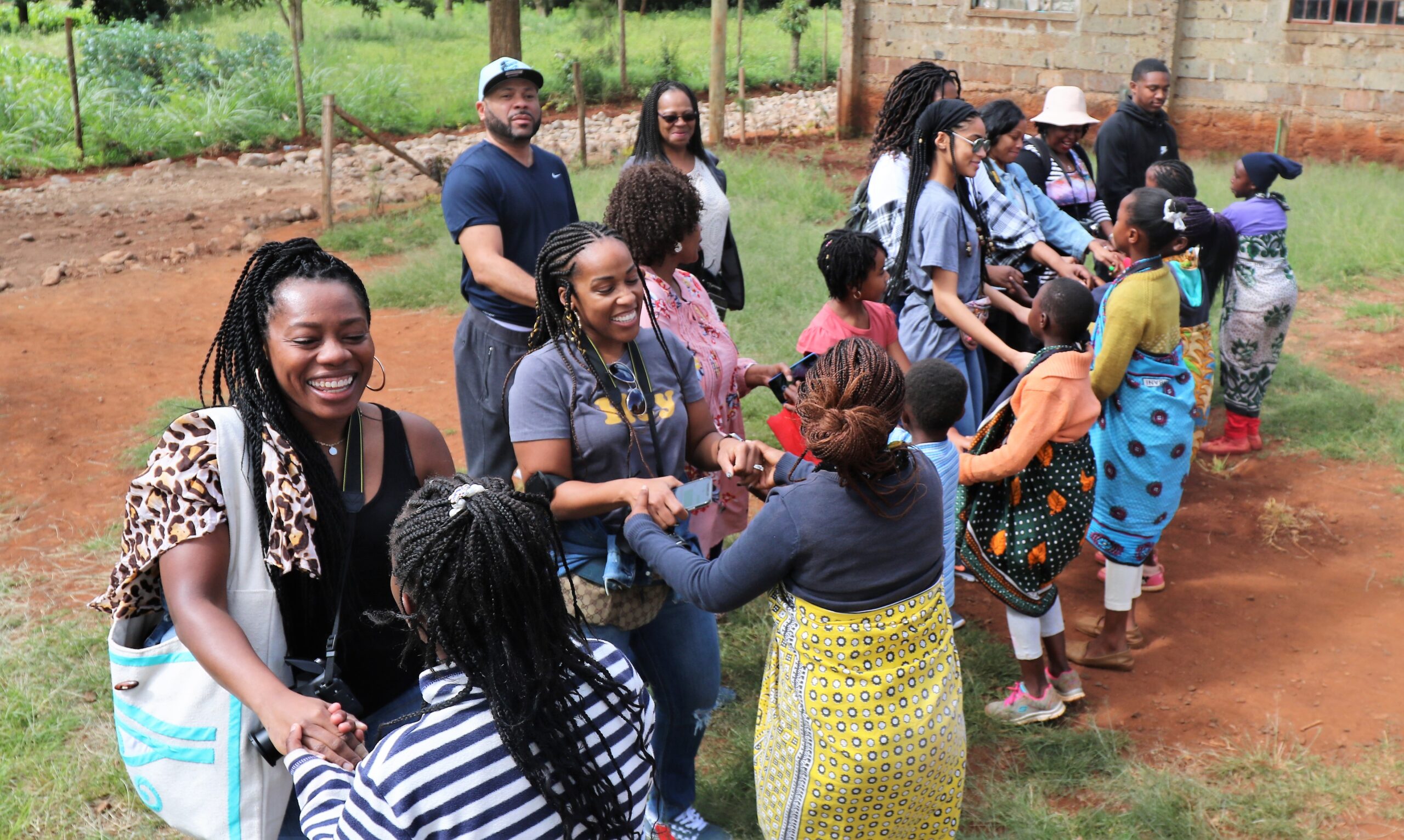 The Strength Of Human Bonds
Women’s empowerment and skills for independence
The final day of the community programme introduces participants to Kenyan women who are building new futures through training, enterprise, and peer support.
Participants visit a Women’s Empowerment Centre where local women undertake an 18-month programme that teaches lifestyle, trade, and entrepreneurial skills so they can set up their own businesses.
Meeting these determined and resourceful women helps participants understand how education, mentoring, and practical skills can support independence, strengthen families, and create long-term community impact.
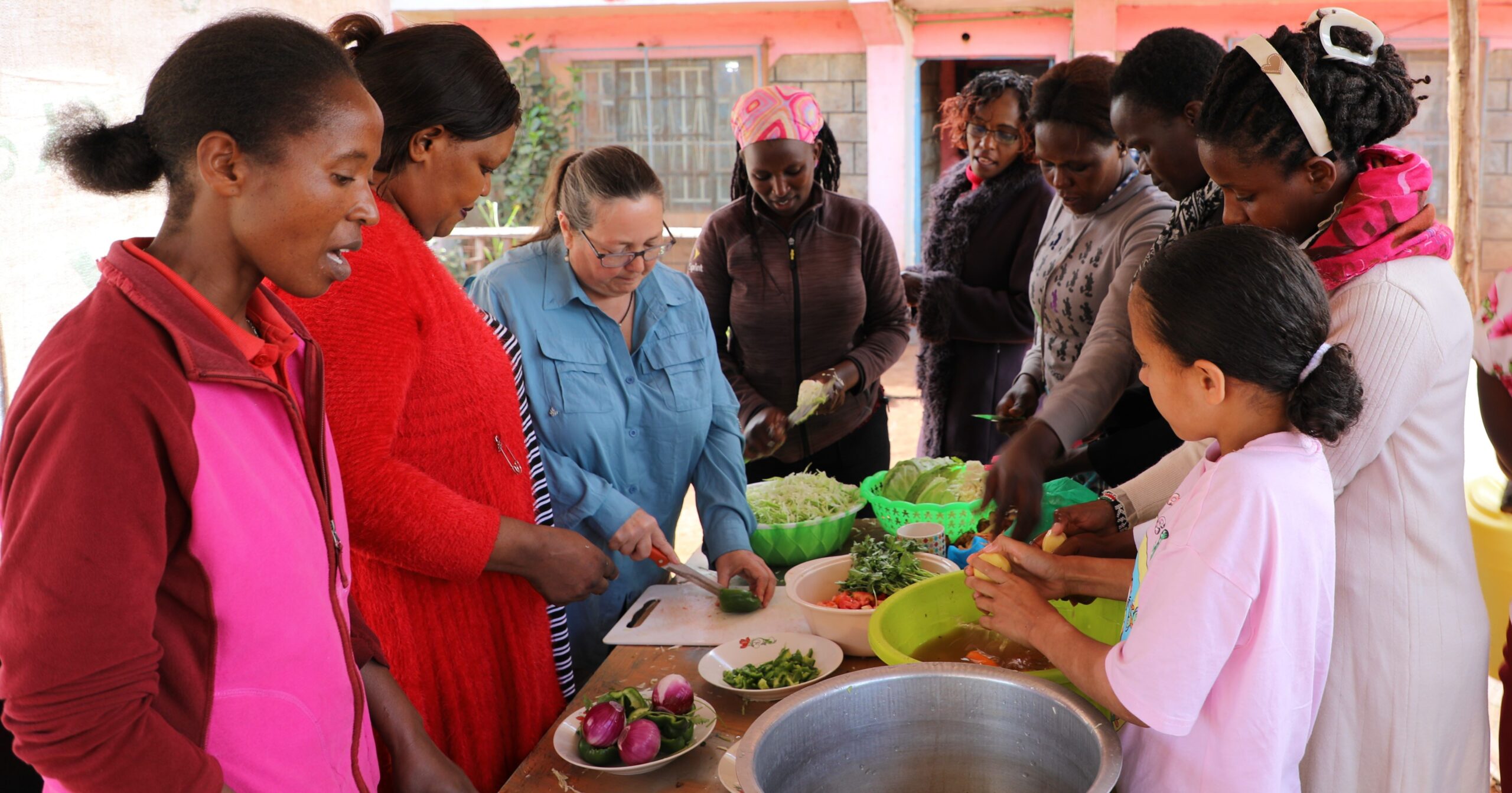 Learning About Each Other
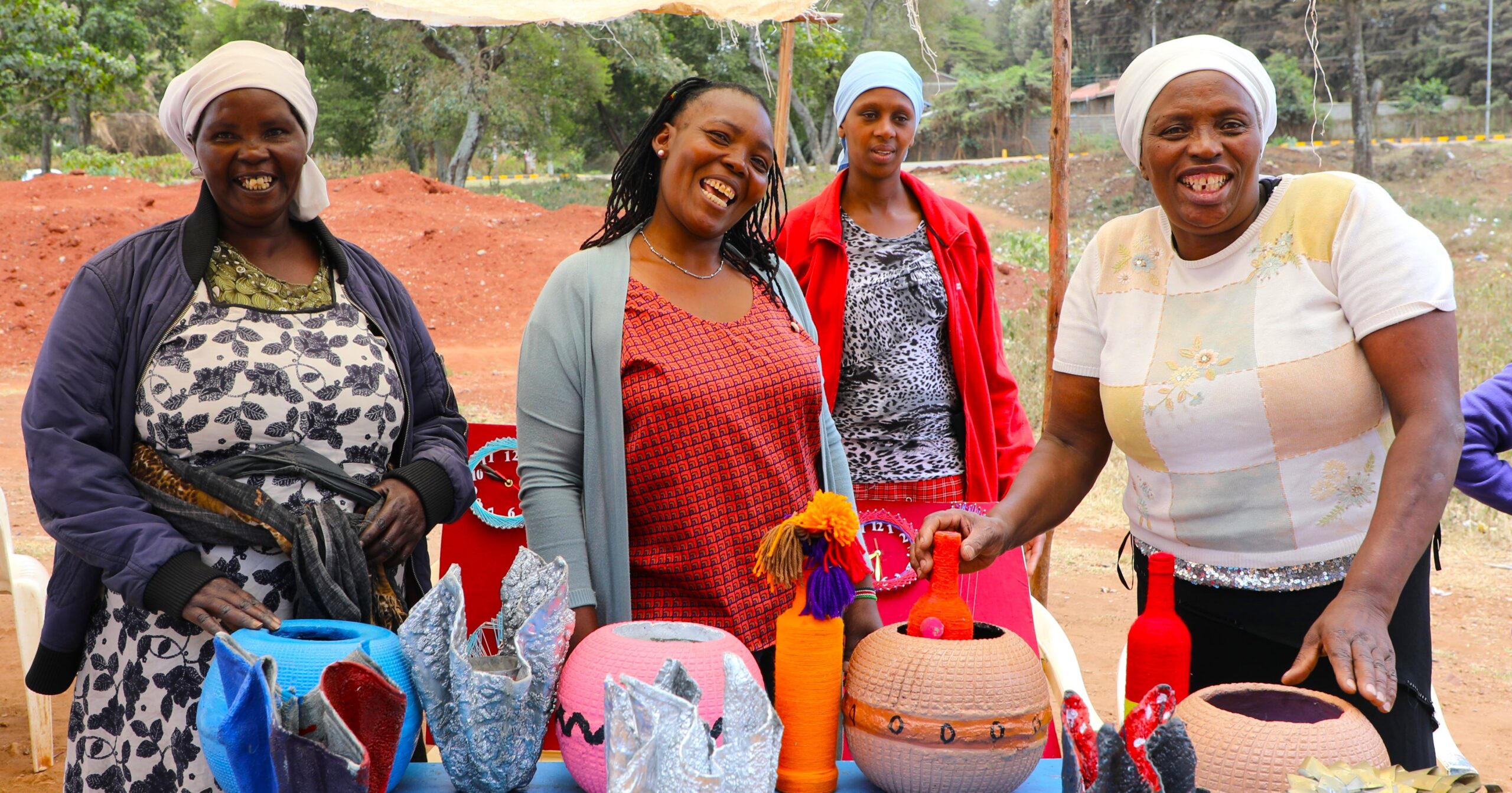 The Strength Of Coming Together
Fly to the Maasai Mara and begin the safari learning experience
Arrival at Ashnil Mara Camp
Following the community programme, the group transfers to Wilson Airport for the short flight to the Maasai Mara, where the learning journey moves from community engagement to one of Africa’s most remarkable natural environments.
On arrival at the Mara airstrip, participants transfer by 4-wheel drive vehicle to camp. The journey itself becomes the first introduction to the reserve, with opportunities to observe landscapes, wildlife, and the rhythms of life in this extraordinary ecosystem.
Ashnil Mara Camp, with 50 luxury tents, is in the Masai Mara National Reserve and close to the Mara River, famous for the wildebeest migration.
The luxury Masai Mara camp is arguably in one of the very best positions in the Masai Mara for game viewing and also provides the perfect setting to sit and relax at the end of an exciting day of game drives.
After settling in, the group departs on its first game drive with an experienced driver-guide. This provides an exciting introduction to safari field observation and encourages students to begin asking questions about animal behaviour, conservation, and habitat.
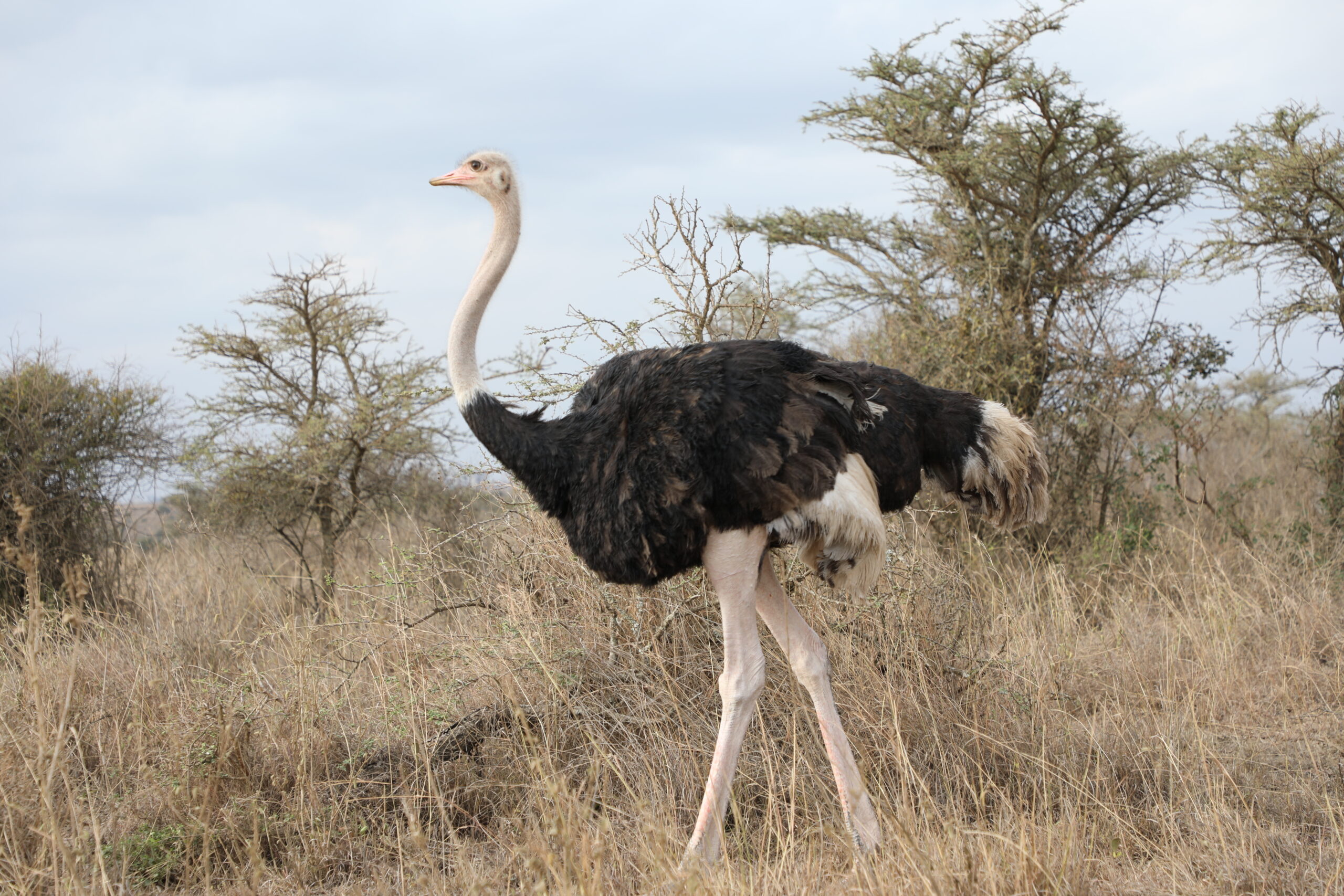 Ostrich In The Mara
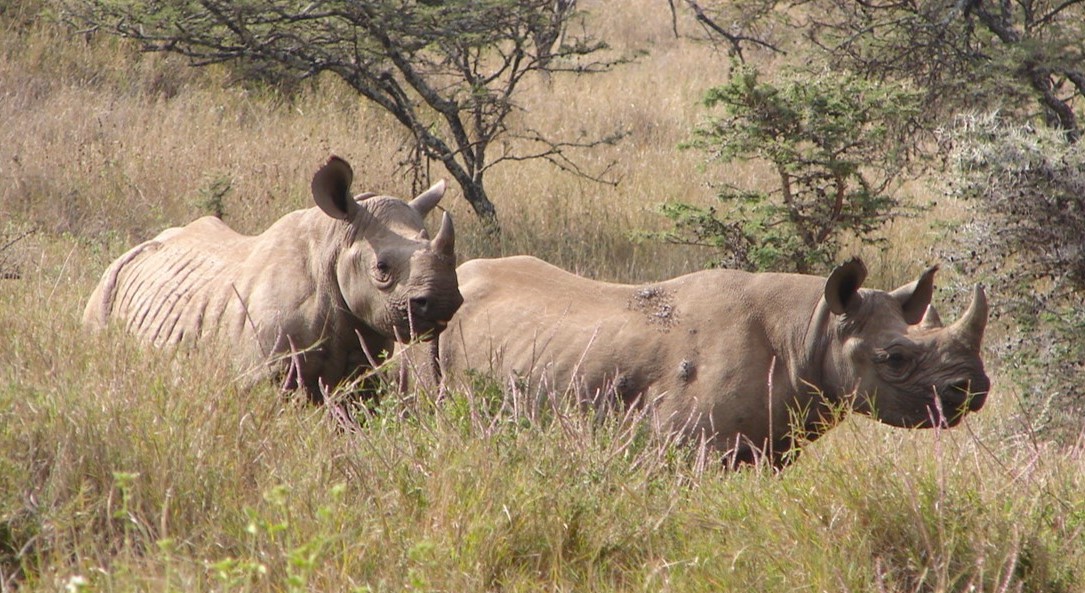 Rhino In The Mara
Morning and afternoon game drives allow participants to explore different areas of the reserve and deepen their understanding of wildlife patterns, predator-prey relationships, seasonal movement, and the importance of protected landscapes.
Between drives, time at Ashnil Mara Camp provides space for discussion, journalling, reflection, and educator-led learning activities.
The experience supports cross-curricular learning in science, geography, environmental studies, cultural studies, and responsible tourism.
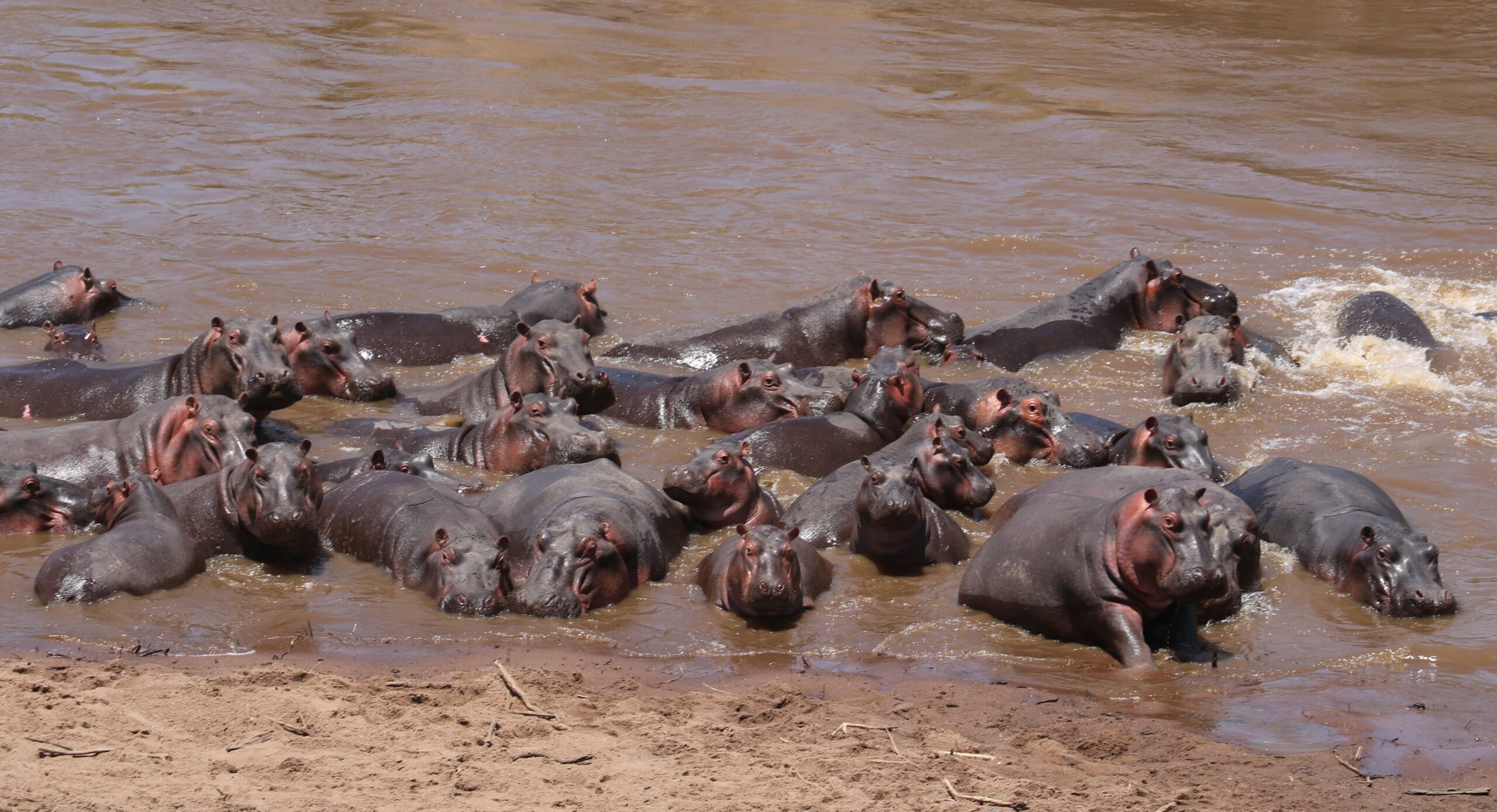 Hippos Wallowing
 Elephants In The Mara
3 Days/3 Nights at Diani Beach
Returning to Nairobi for the next part of your journey
The day begins with a final early-morning game drive before the group returns to Nairobi, completing the safari component of the programme.
During this part of the tour, the group stays at the 5-star family-run Palacina Hotel, one of Nairobi’s most outstanding hotels and a comfortable base between programme stages.
 The Mara's Beauty
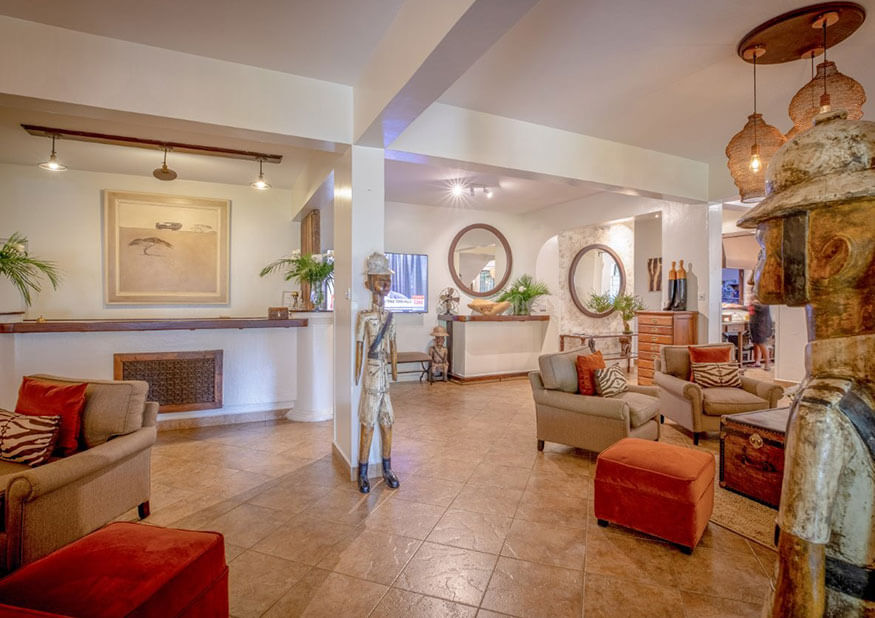 Relaxing Ahead Of Your Next Journey
Travel to Diani Beach for rest, reflection, and coastal learning
On the morning of Day 9, the group transfers to the airport for the flight to Diani and Baobab Beach Resort & Spa.
On arrival at Ukunda Airport, the group is met and transferred a short distance to the resort, where the final phase of the programme provides time to rest, reflect, and enjoy Kenya’s Indian Ocean coastline.
After settling in, participants can enjoy the beach, resort pools, and relaxed coastal setting. This is also an ideal moment for educators to facilitate group reflection on the journey so far and connect the experience back to classroom learning outcomes.
Optional coastal activities may include snorkelling, reef excursions, kitesurfing, windsurfing, or other ocean-based experiences, subject to local conditions and group requirements.
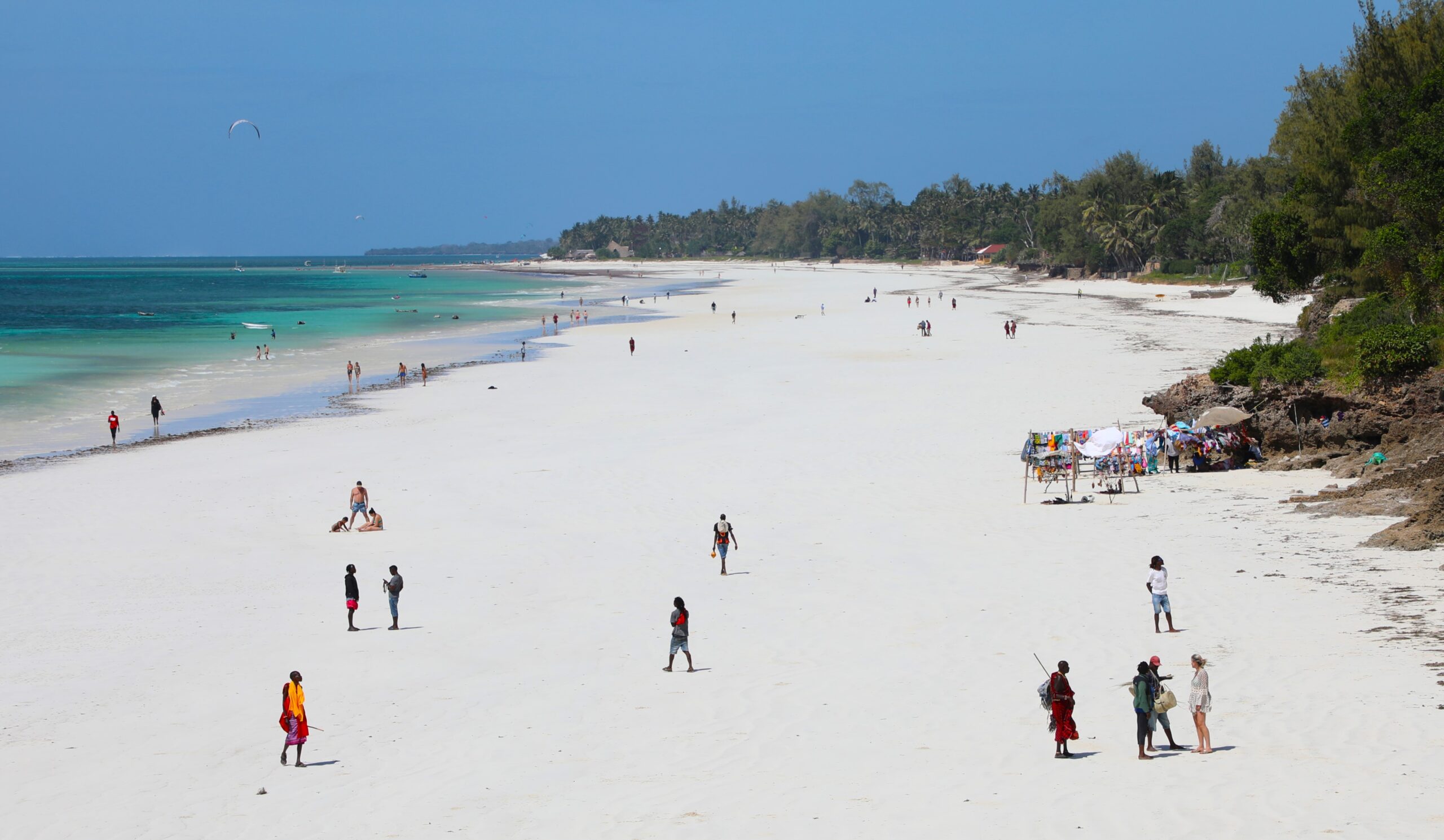 Diani's 17 Kilometre Beach
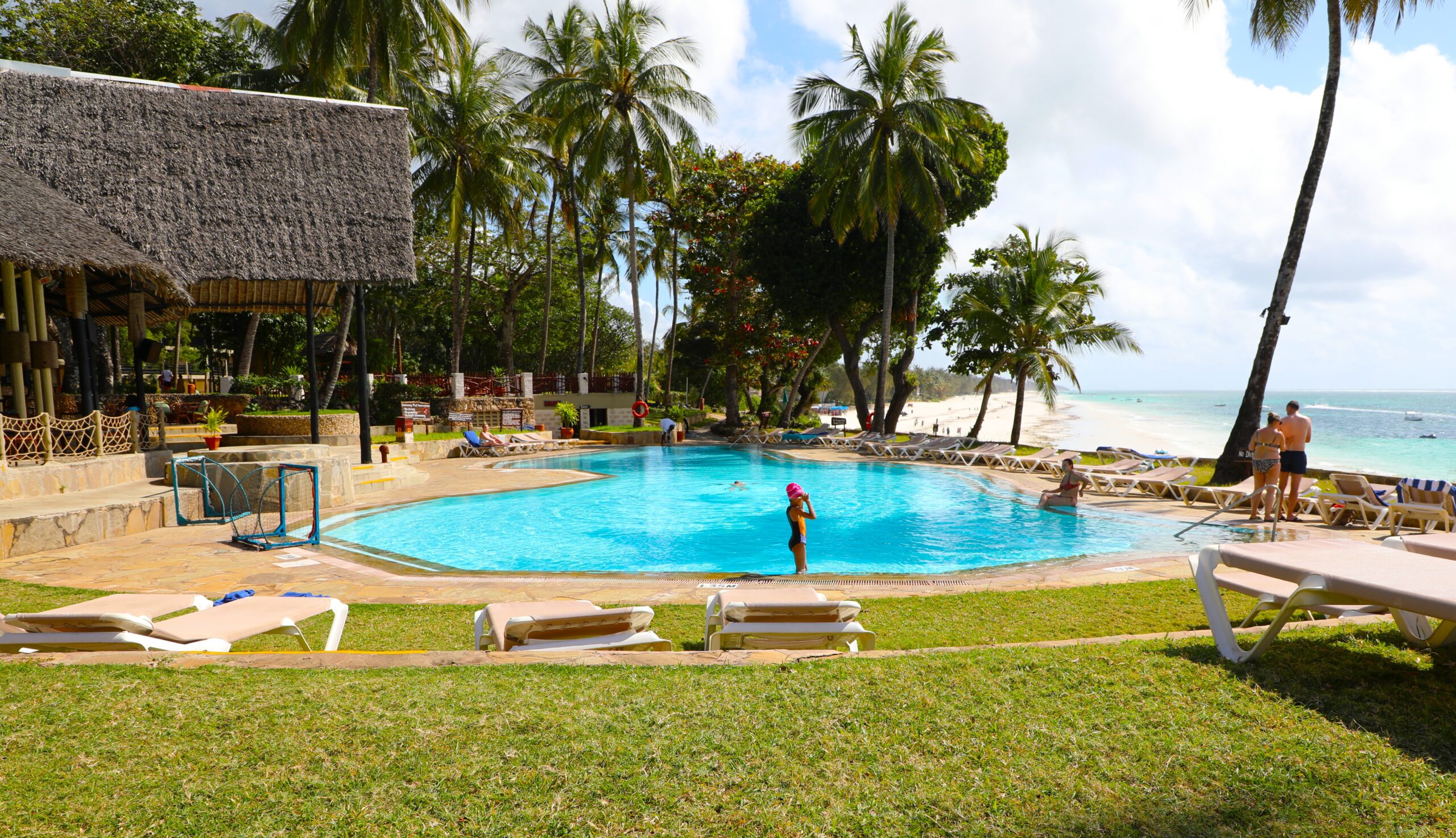 One Of 4 Pools At Baobab Resort
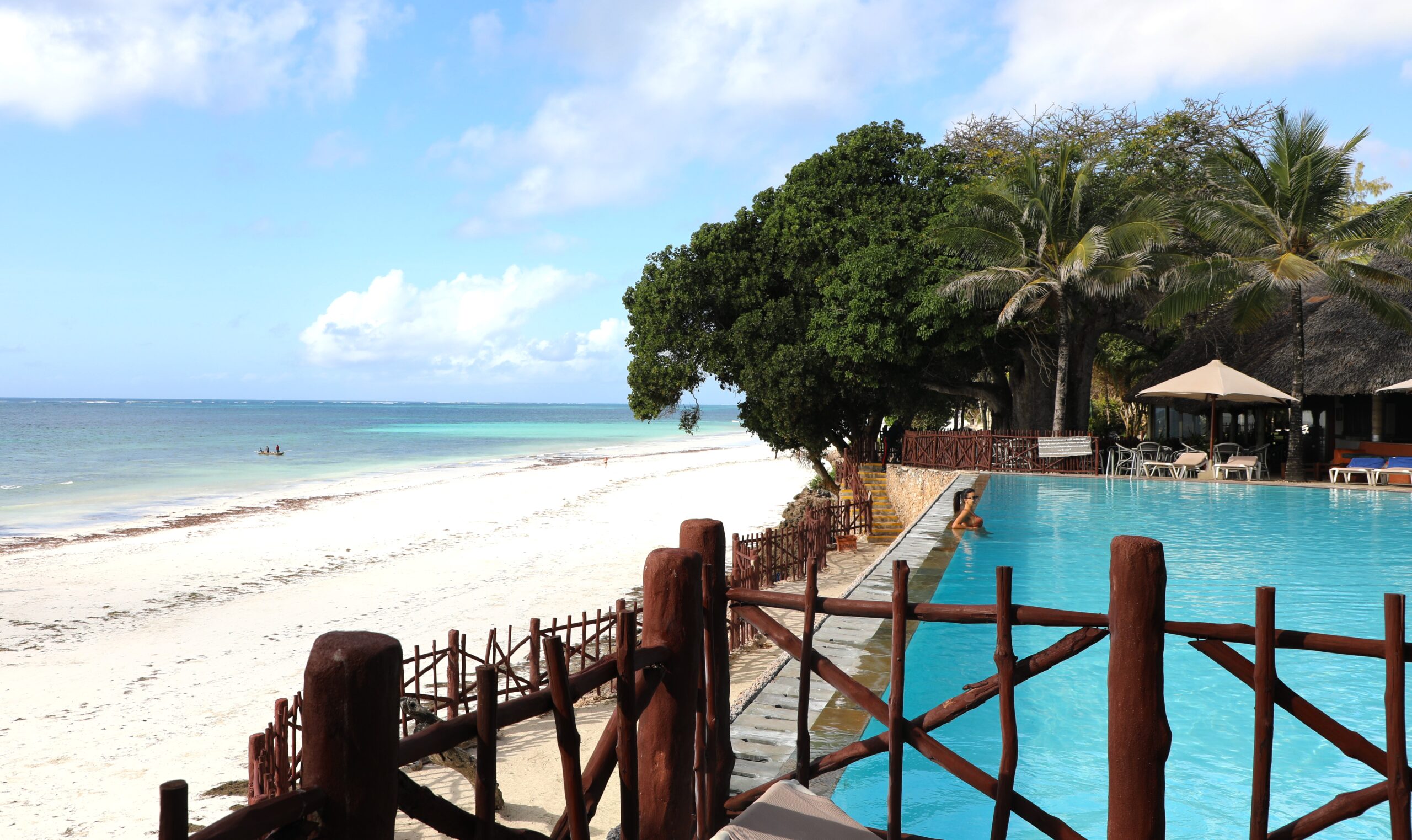 The Indian Ocean At Your Doorstep
Days 10 and 11 offer a slower pace, allowing time for rest, optional activities, and structured reflection.
Educators may use this period for student journaling, group presentations, debrief conversations, or planning how the experience can be shared with the wider school community.
The group is transferred from the resort to Ukunda Airport for the return flight to Nairobi, bringing the programme to a close.
Participants depart with a deeper understanding of Kenya’s communities, cultures, wildlife, and coastal environments, along with practical insights they can carry back into their schools and learning communities.
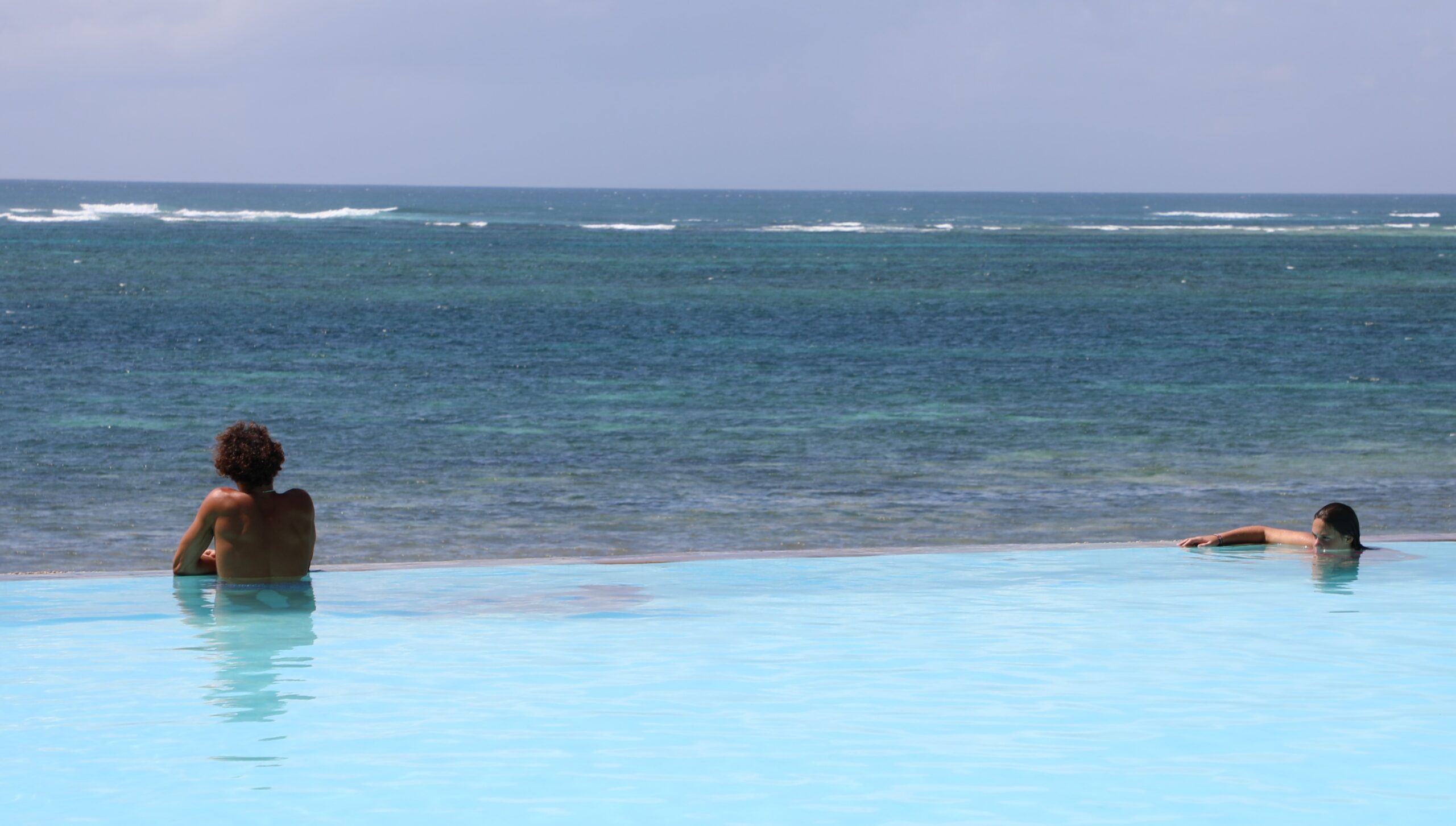 Magnificent Views From The Pool
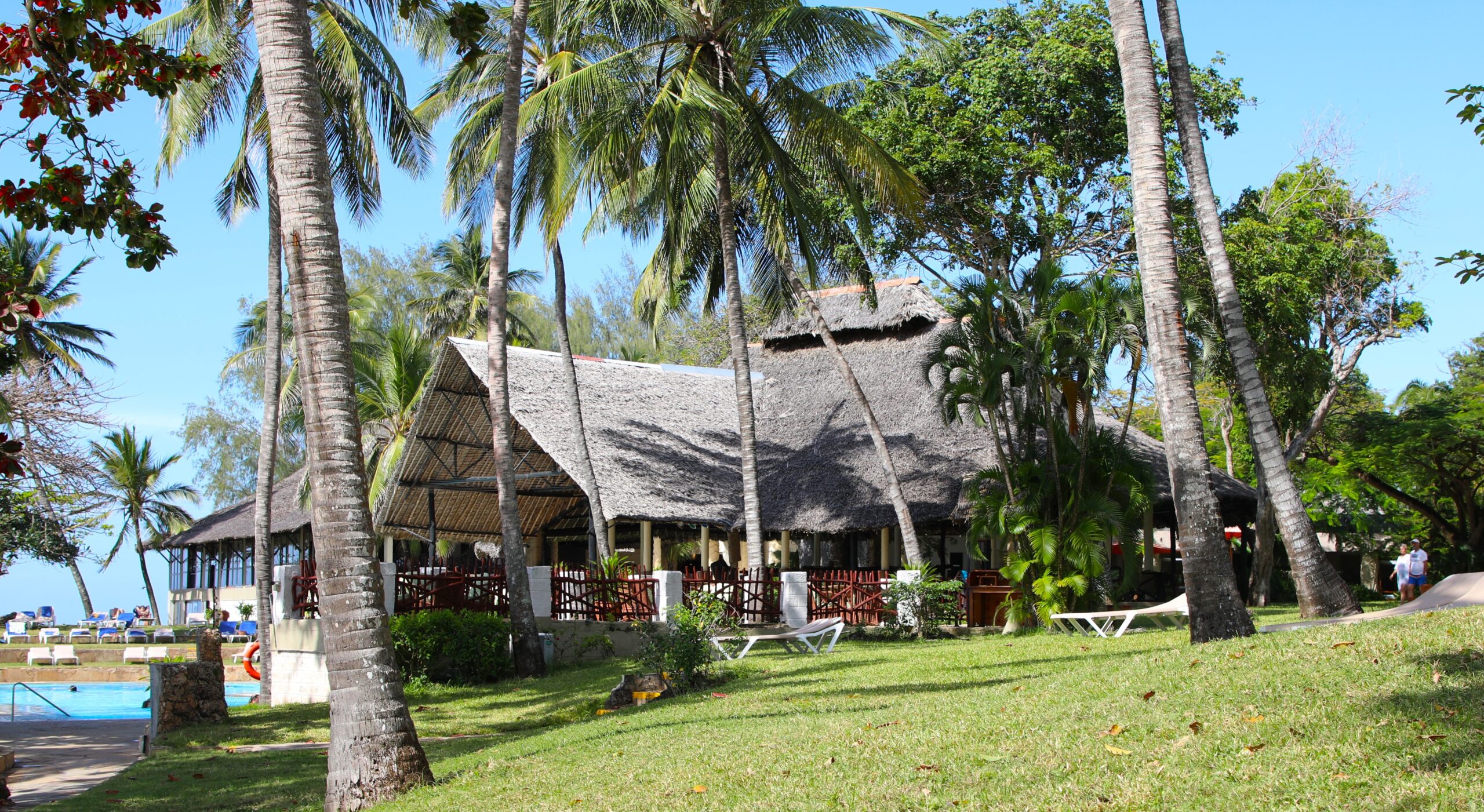 A Tropical Retreat Before Home
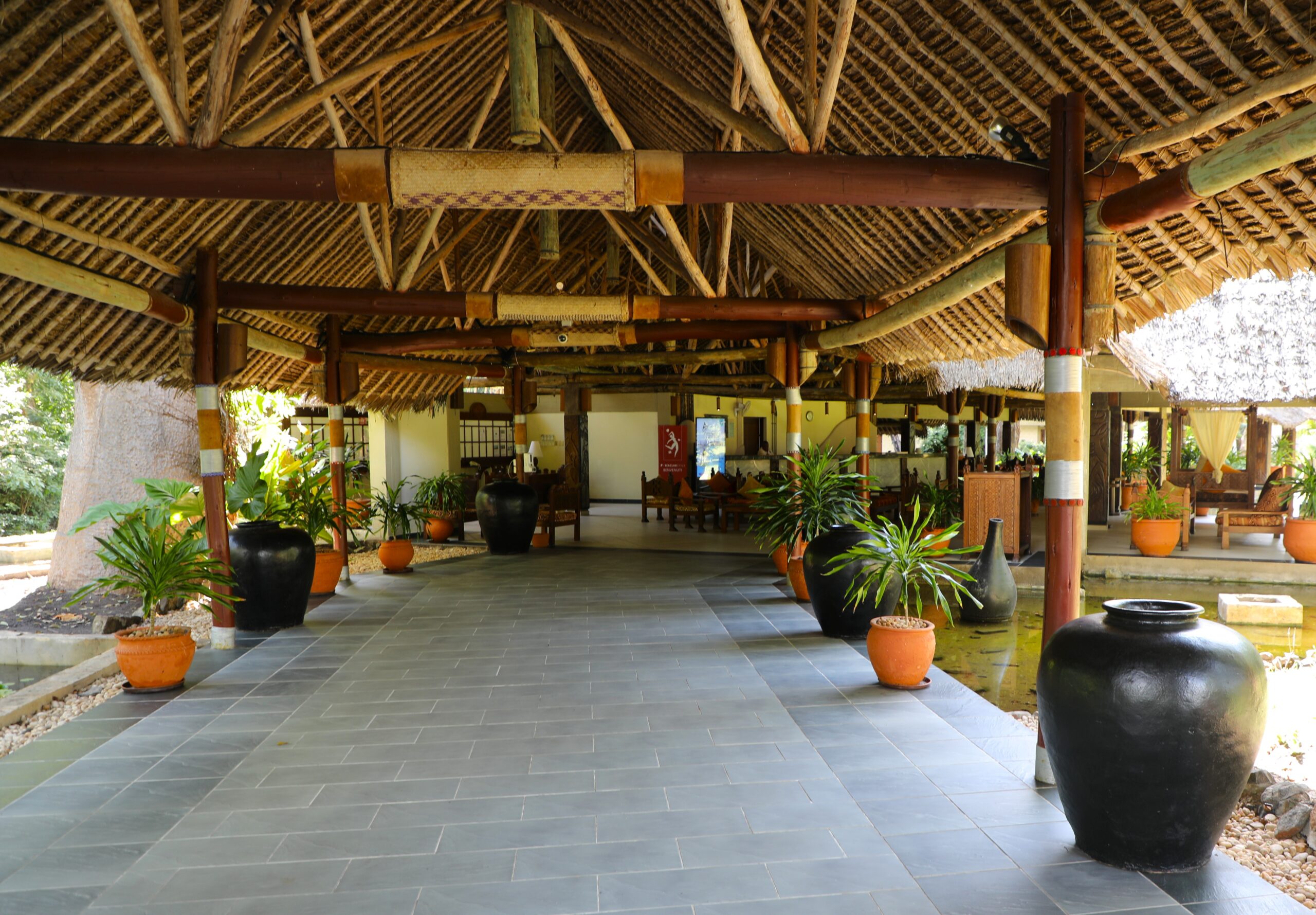 You May Not Want To Go Home
Inclusions
- Your accommodation at Palacina Hotel, the night before you embark on your wildlife safari on Day 1
- 5 nights’ accommodation at Palacina Hotel (inclusive as above)
- 2 dinners with the One Horizon team at Nairobi restaurants on Days 4 and 6
- Light luncheons daily and unlimited fruit, tea, coffee and water during your community adventures
- Air-conditioned car transfers – each day we’ll collect you from your hotel at 9 am and drop you back at about 4 pm. On the days that include team dinners, we’ll pick you up at 7 pm and return you to your hotel after the evening’s activities
- One Horizon staff with you every step of the way
- 3 nights’ accommodation at Ashnil Mara Camp – meals on full board
- 3 nights’ accommodation at Baobab Resort in Diani – meals on full board
- Flight tickets Nairobi – Mara – Nairobi – Diani – Nairobi
- Game drives in the Mara
- Services of an English-speaking driver guide in the Mara
- Airport transfers in the Mara
- Transfers from Wilson Airport to JKIA for the Diani flight
- Return Hotel Transfers in Diani to Baobab Resort
Exclusions
- Alcoholic drinks not included
videos
FAQs
Q1. Are students grouped according to age?
Answer: Yes. To ensure the program is age-appropriate, supportive and engaging, students participate in one of two groups:
- High school students aged 14 to 17 years
- College and university students aged 18 to 23 years
Q2. Do students aged 14 to 17 years need to be accompanied by a teacher, parent or guardian?
Answer: Yes. As part of our duty of care, students aged 14 to 17 years must be accompanied by an adult nominated by the school or institution. In most cases, this is a teacher or school-appointed staff member who acts as the lead contact and supports the management of the student group throughout the program.
Q3. Do college and university students aged 18 to 23 years need to be accompanied by a teacher, parent or guardian?
Answer: No. College and university students are not required to be accompanied by a teacher, parent or guardian. However, One Horizon requires a nominated point of contact for the group to support communication, coordination and liaison throughout the program.
Q4. Where do students and accompanying staff stay during their program?
Answer: Students and accompanying staff stay in 4- to 5-star international hotel accommodation for the duration of the program. The first two days of the program are conducted at the hotel, providing a comfortable and well-supported environment for orientation, learning and preparation. Accommodation is arranged on a twin-share basis.
Q5. How are students transported to community visits and program activities?
Answer: Students are transported in private, air-conditioned vehicles operated by One Horizon. The facilitators delivering the program also accompany students during daily activities, providing continuity, guidance and supervision throughout the experience.
Q6. Can parents contact their child during the program?
Answer: Parent communication is managed in accordance with the policies of the participating school or institution. One Horizon also provides 24-hour contact details, including mobile numbers and email addresses, so students can be reached if required. Internet connectivity is available at program venues and in the vehicles used to transport students and staff.
Q7. What meals are provided during the five-day program?
Answer: One Horizon caters for a wide range of dietary requirements, including vegetarian, vegan and familiar Western-style meal options. Meals are prepared with fresh, healthy ingredients and are provided through the hotel where students and staff are staying. Evening meals also include selected well-regarded Nairobi restaurants, giving students an additional opportunity to experience the city in a safe and structured way.
Q8. Is travel and health insurance required?
Answer: Yes. Appropriate travel and health insurance is required for student participation in the program. Schools, institutions, parents and guardians should ensure that each participant has suitable coverage before travel.
Q9. Does One Horizon have public liability and professional indemnity insurance?
Answer: Yes. One Horizon maintains insurance coverage that includes public liability and professional indemnity insurance. Copies of relevant policy documentation can be provided upon request.
Q10. What distinguishes One Horizon and the Changing This World experience?
Answer: One Horizon is accredited by the Kenyan Government to work directly with Kenyan communities. It operates independently and does not receive financial or other support from the Kenyan Government. Its overriding mission is to provide practical pathways that help people lift themselves out of poverty. This purpose-led approach gives students meaningful insight into community development, resilience and sustainable change. One Horizon’s mission and work are captured in the video ‘What We Do’.

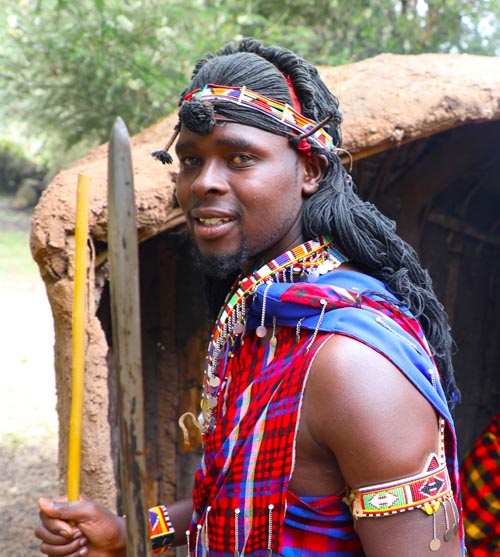
 One Horizon Africa
 @onehorizonkenya
 onehorizonkenya